
CURATORS
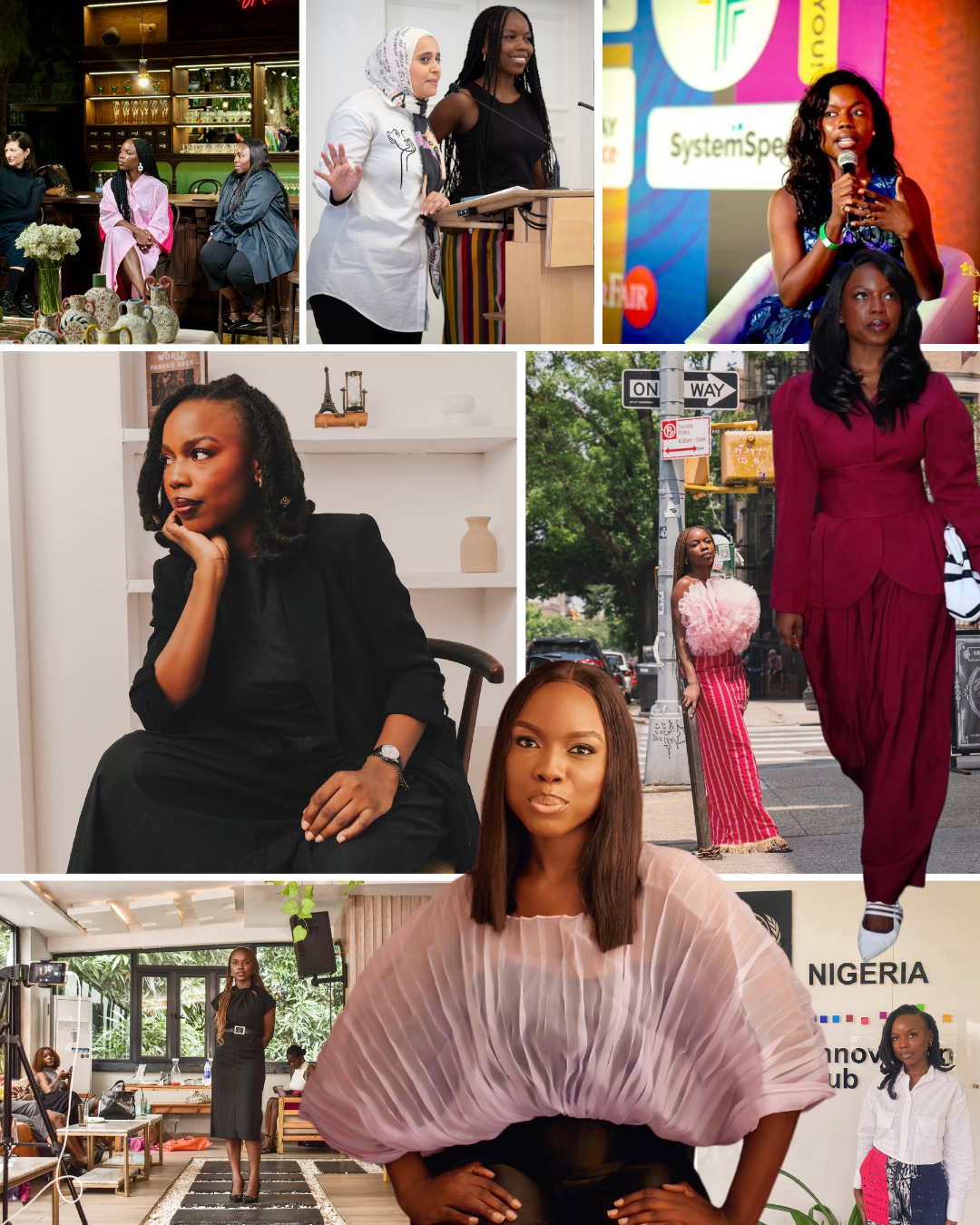
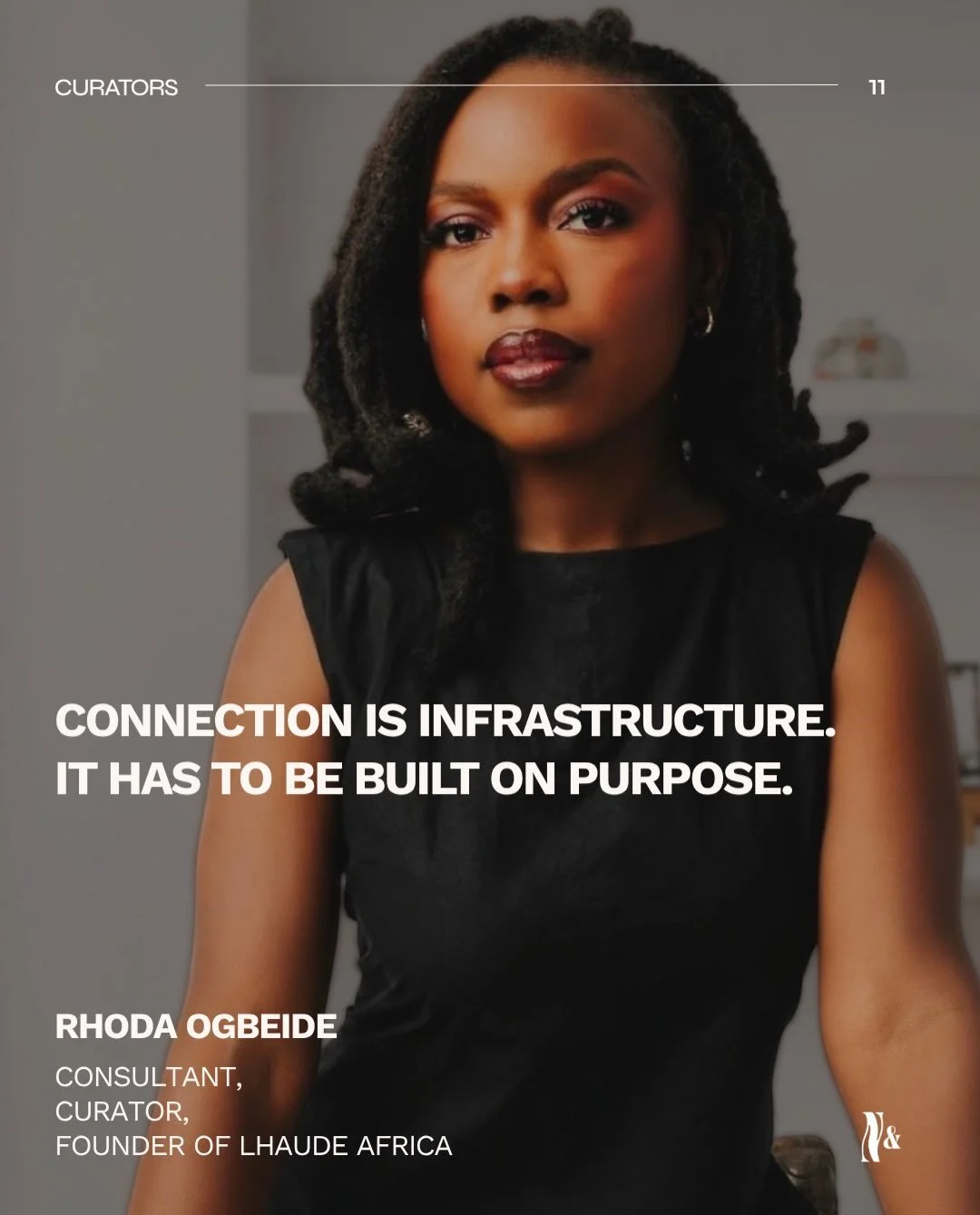
Rhoda Ogbeide believes connection has to be built on purpose
Lhaude Africa founder Rhoda Ogbeide on co-connection, the structures African creative businesses need and why a showcase is only the start of the work.
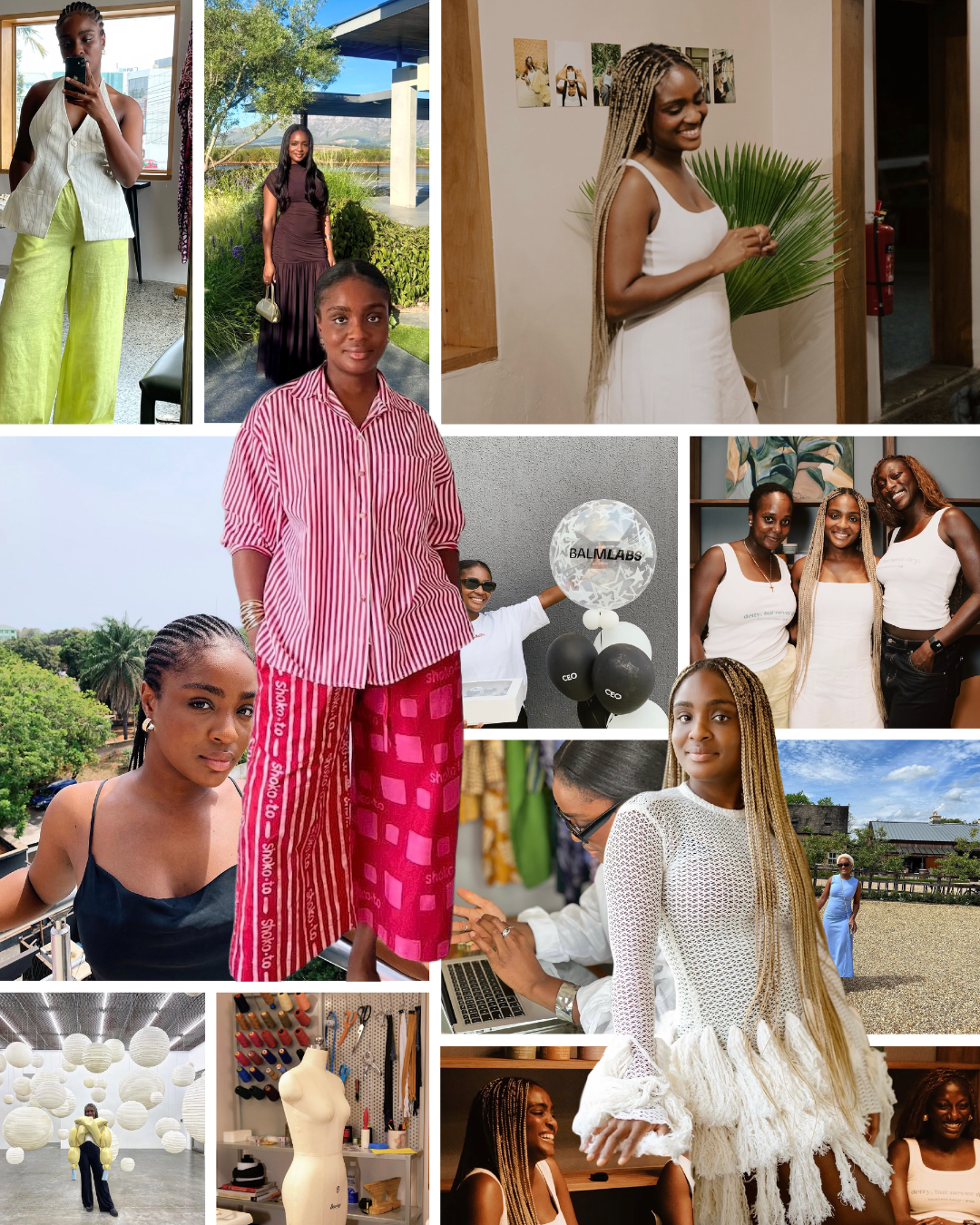
"Scaling Isn't About Becoming Bigger": Baboa Tachie-Menson on systems, 3D Fashion and Rebuilding The Showroom Accra
Baboa Tachie-Menson on why scaling a creative business is about systems, not size, restructuring The Showroom Accra and 3D fashion design at Balmlabs.
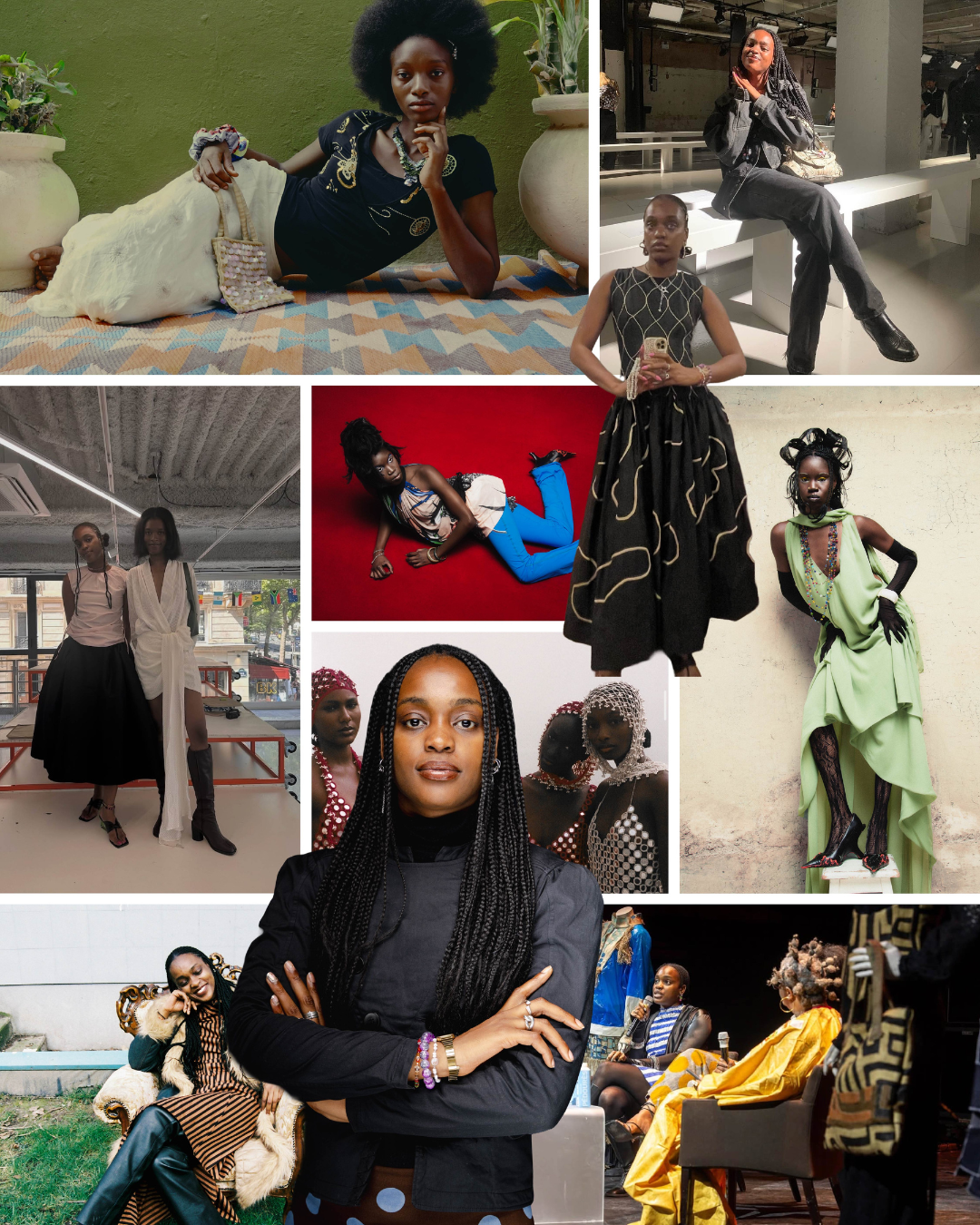
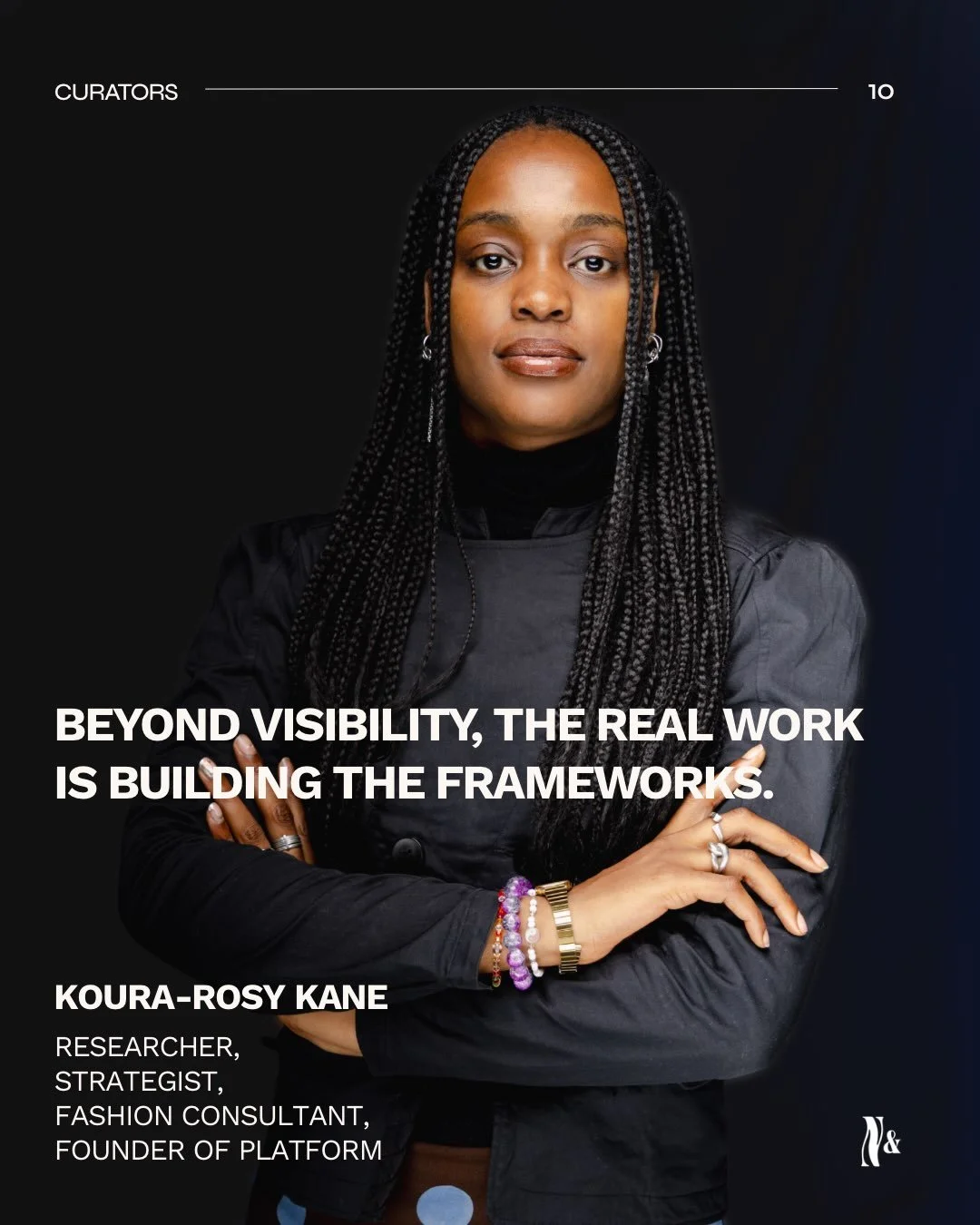
Koura-Rosy Kane on Why Visibility Alone Was Never the Point
Koura-Rosy Kane on building PLATFORM beyond visibility, opening DECKI in Dakar, and why African creative industries must organise on their own terms.

Debola Adebowale:
Helping Brands Build Structure and Women Find the Brands Worth Shopping
Debola Adebowale on Artisans Advisory and BuyerBeWear, helping African fashion brands build structure and women discover and shop the brands they love.
STORIES
Interviews and Insights
INDUSTRY
Featured

GUIDES


FOLLOW US
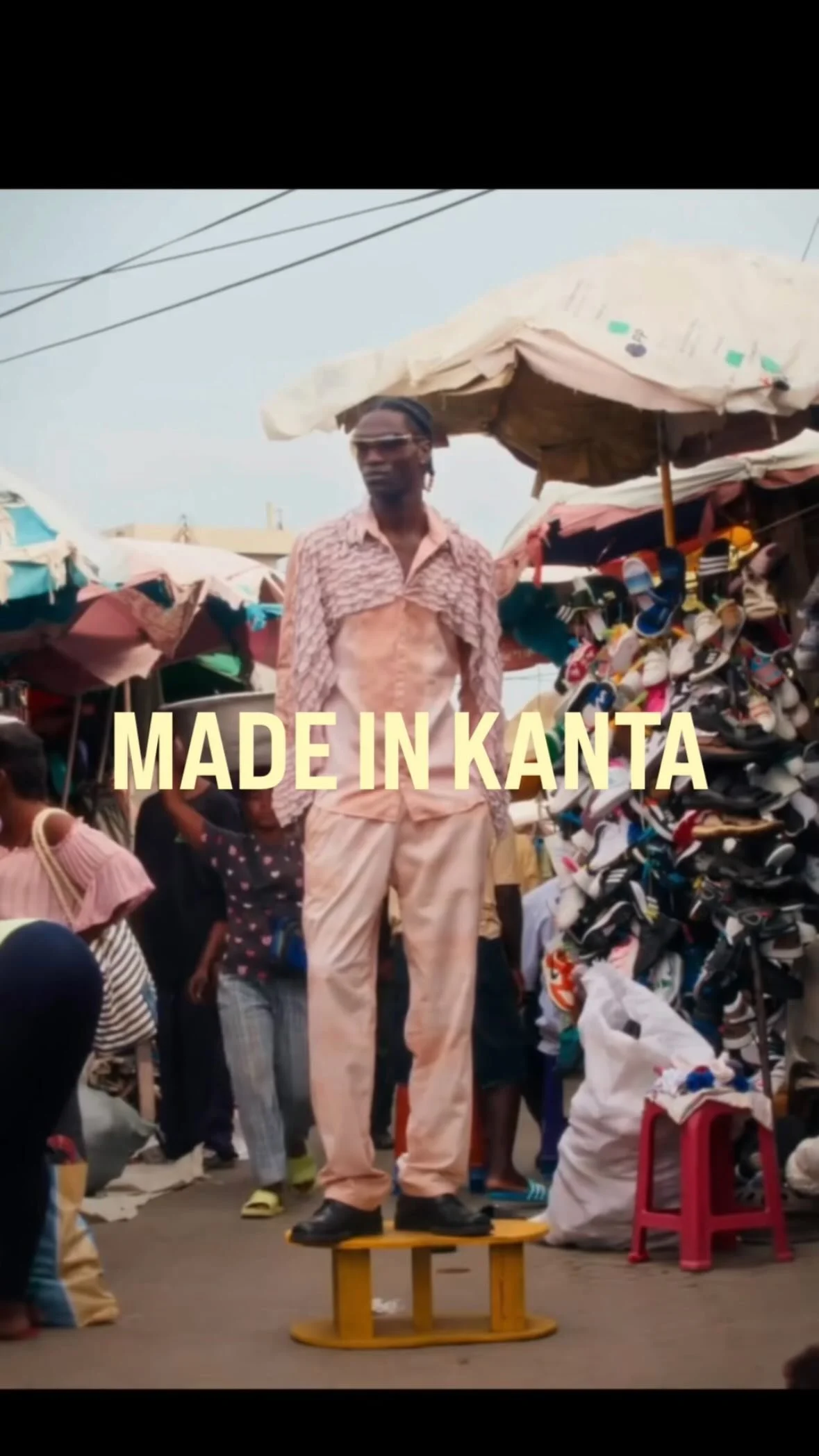

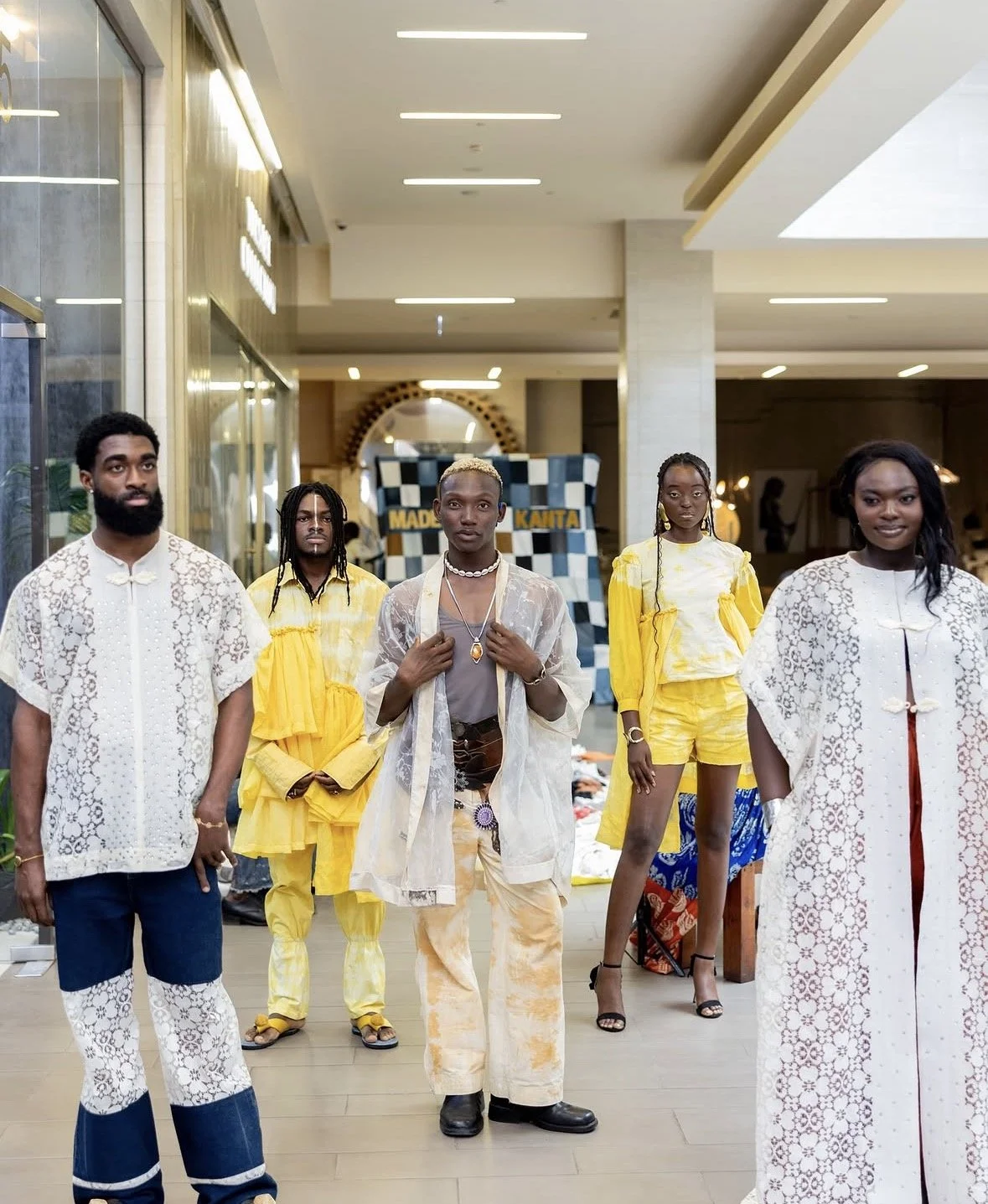
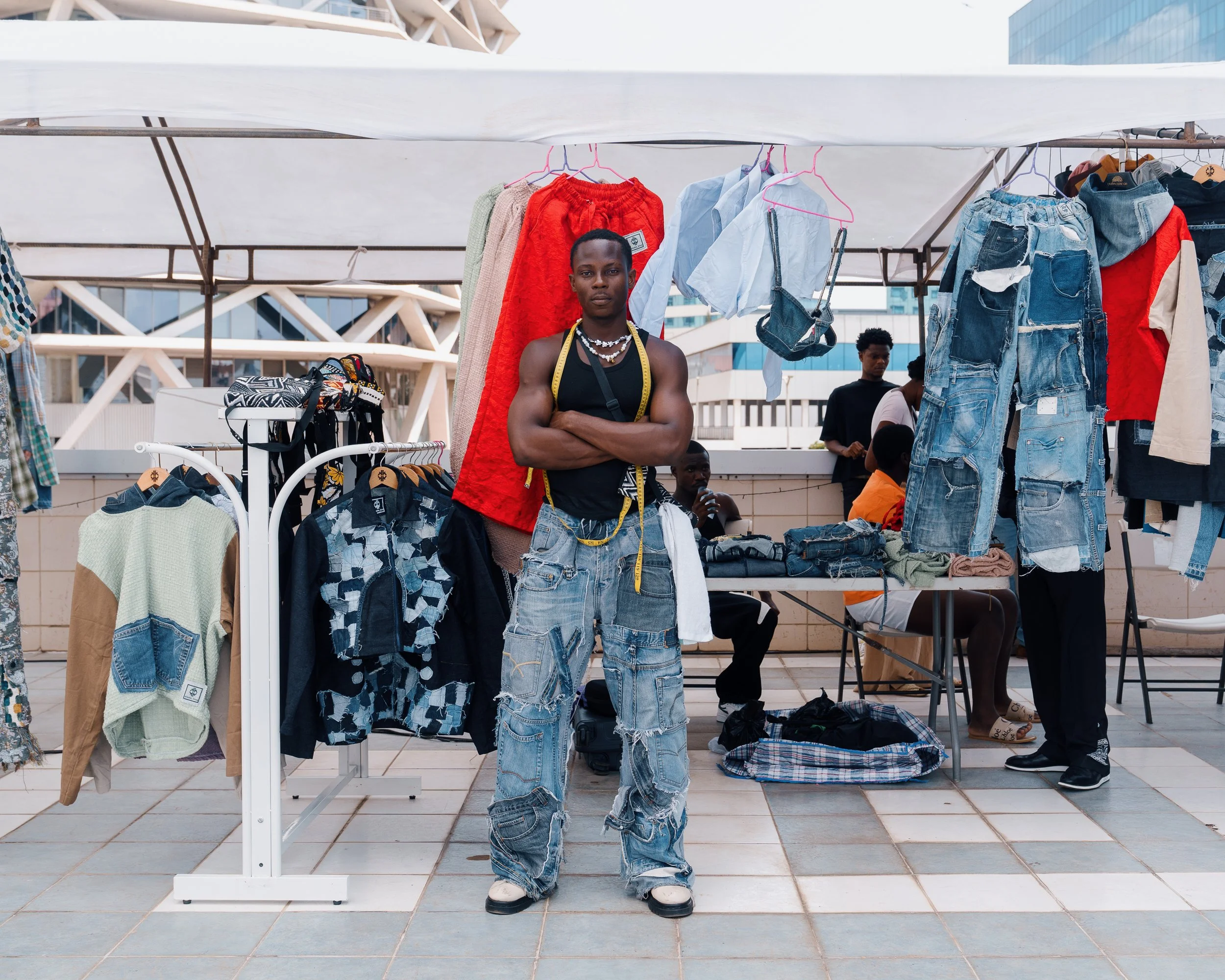
Can a global streetwear label come out of a secondhand market in Accra? Bhabi is betting on it. Through Xtreet Guidance, founded in Kantamanto in 2024, he turns what others overlook into upcycled denim and footwear and wants to carry Kantamanto's stories to a global stage. He speaks to Frida Nakarma Lidbom, episode two of MADE IN KANTA.