
"Scaling Isn't About Becoming Bigger": Baboa Tachie-Menson on systems, 3D Fashion and Rebuilding The Showroom Accra
BABOA TACHIE-MENSON
“ I am fascinated by every layer of what I do, from production and creation to the psychology behind decision-making when shopping. And, if I am honest, The Showroom is also my quiet way of slowly curating the dream wardrobe I have always imagined.”
Few founders sit across as many layers of the fashion business as Baboa Tachie-Menson. Through Balmlabs, she brings 3D design to some of the continent's most recognisable labels like Tongoro. Through The Showroom Accra, she is rethinking what a retail platform for contemporary African brands should be, and through Ono, her apparel line, she makes the linen pieces she wants to live in. In this portrait, she talks about restrategising when a business model stops serving you, why scaling a creative business is about systems rather than size, and the habit of looking back that reassures her she'll get through whatever comes next.
HER CRAFT
Fashion technology, retail and the psychology behind shopping
Could you tell us what you do and why it matters to you?
I am a fashion entrepreneur and creative director working across fashion technology, retail and contemporary apparel. I am fascinated by every layer of what I do, from production and creation to the psychology behind decision-making when shopping. And, if I am honest, The Showroom is also my quiet way of slowly curating the dream wardrobe I have always imagined.
What led you into starting your ventures?
I trusted my gut.
What message do you want to convey through your work, and what does it mean to you?
Well-made products do not have to be too expensive.
What are you focusing on at the moment?
We are currently restructuring at The Showroom because we recognised that our original business model was no longer sustainable for our future direction.
When we launched, our goal was to create a retail platform that gave contemporary African brands a physical space to connect with customers. While that model allowed us to introduce shoppers to brands they might not have discovered otherwise, we also learnt that traditional multi-brand retail involves significant operational demands that didn't always translate into the level of growth we wanted to achieve.
As a result, we have chosen to focus on the areas where we create the most value. One of the biggest lessons has been that The Showroom is strongest as a platform for experiences and community-building rather than simply a retail space. Going forward, we're placing greater emphasis on collaborations that give brands dedicated moments to engage with customers more meaningfully.
Any recent work highlight?
I am most proud of my 3D work with Tongoro Studio and Diarrablu.
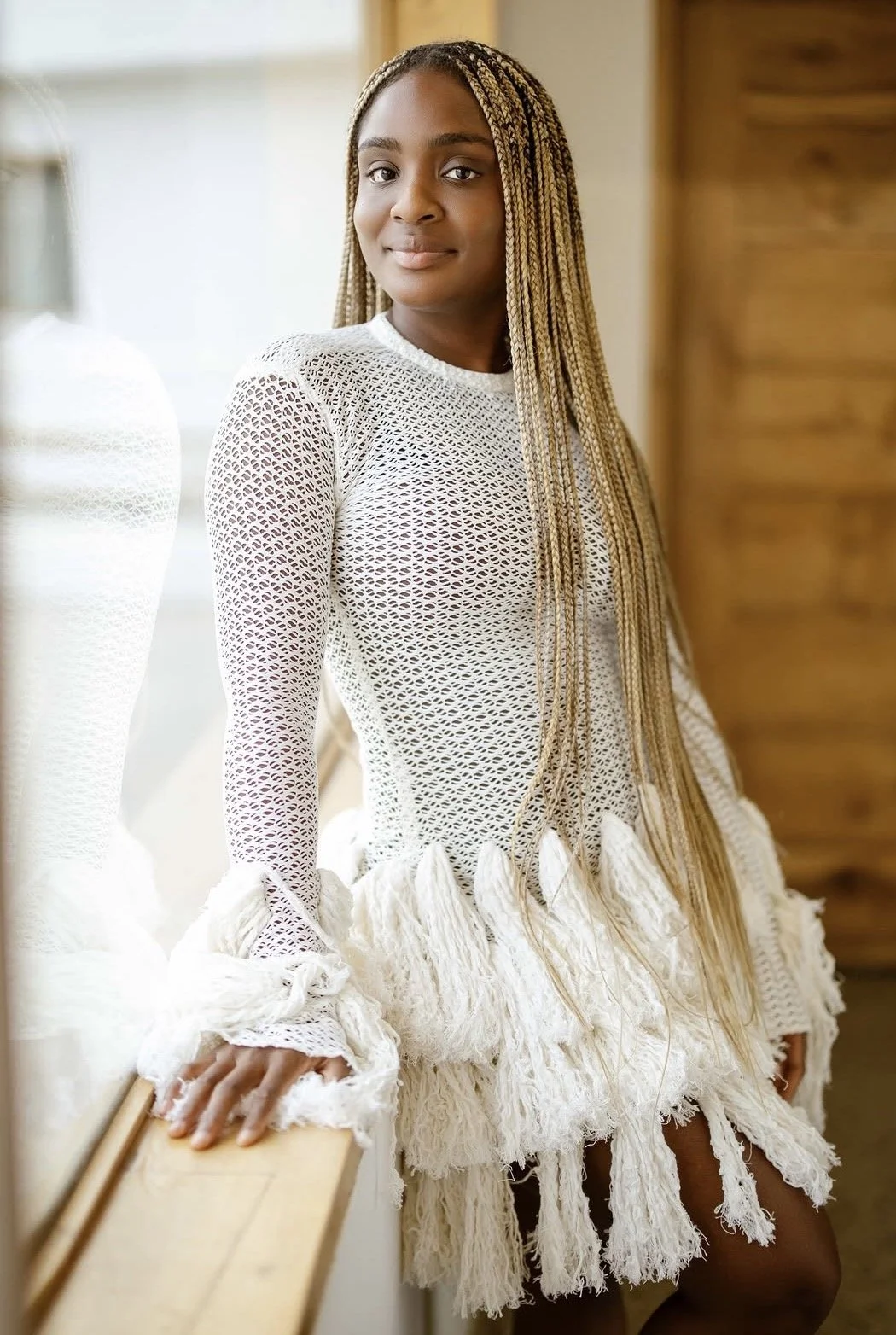
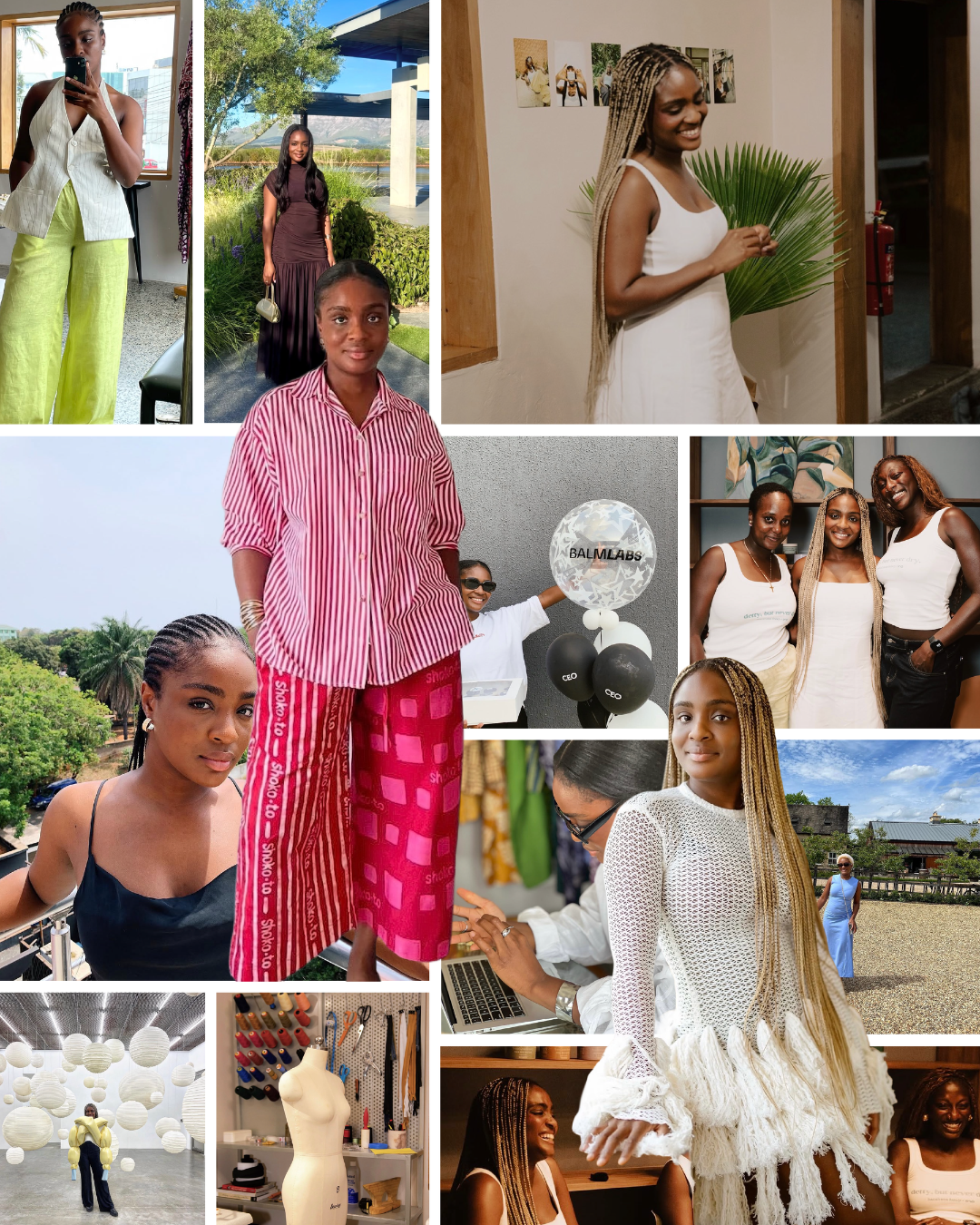
Baboa Tachie-Menson wearing the Knanfe Zurié Dress Short during the Knanfe pop up at the Showroom Accra concept store
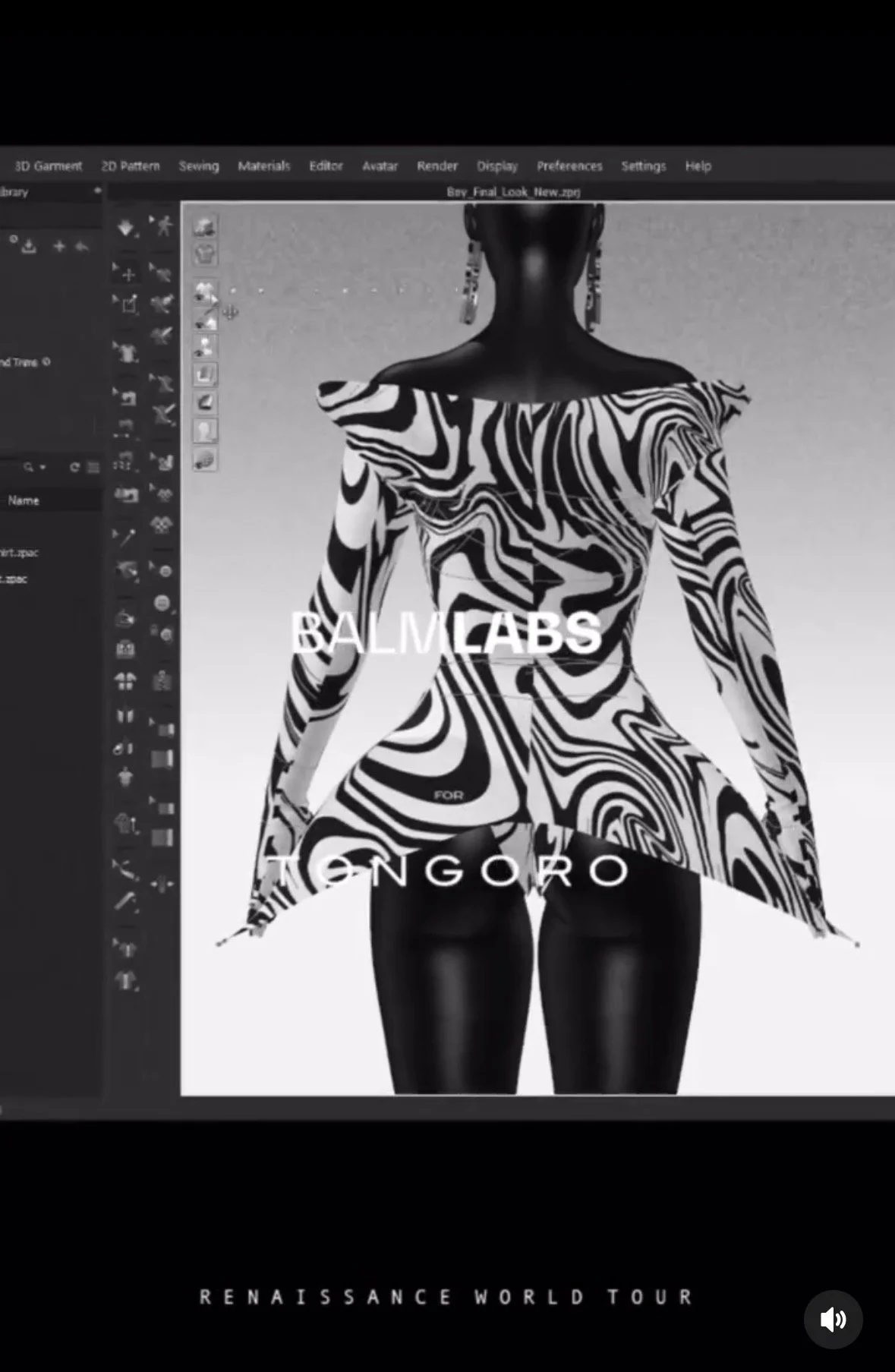
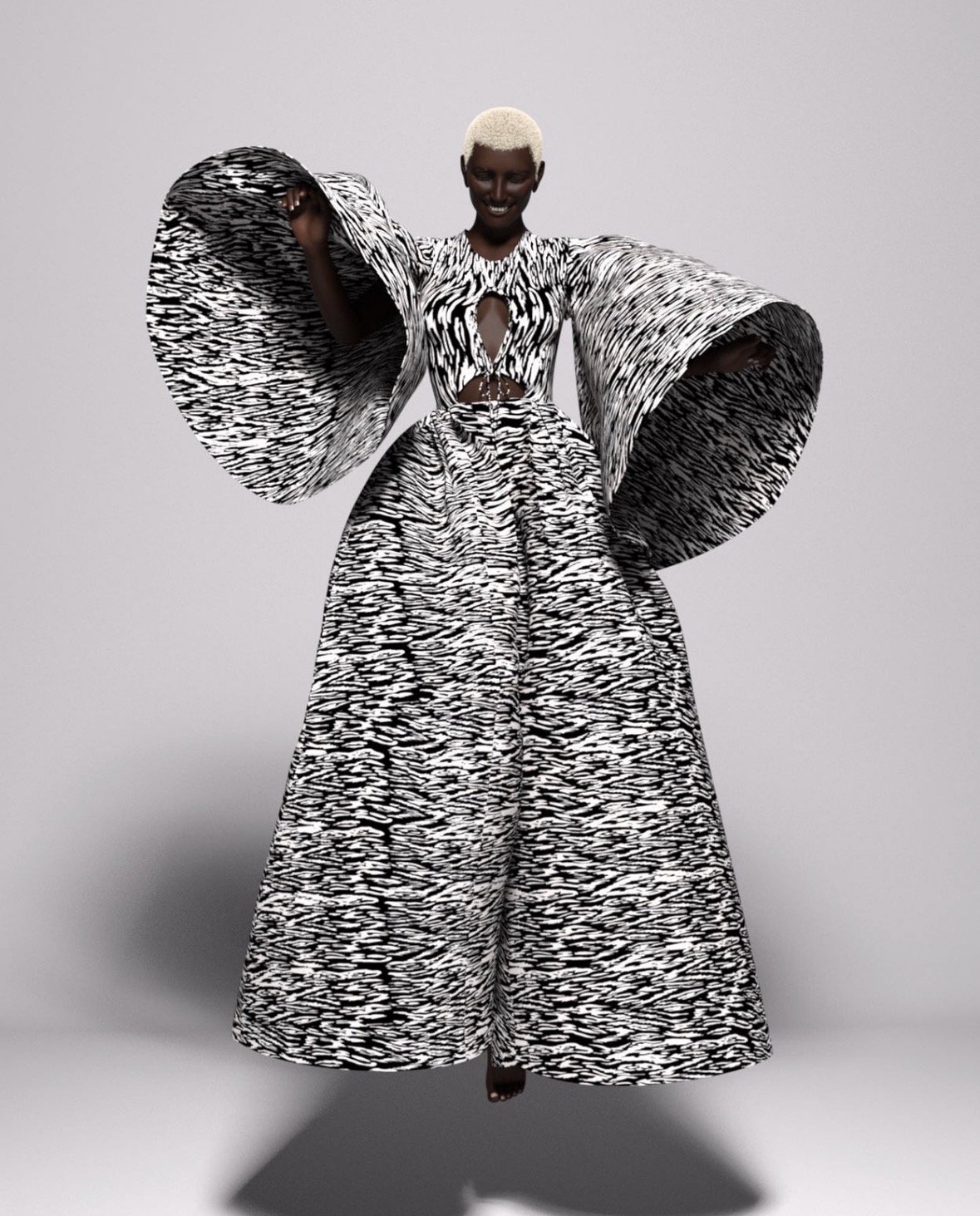
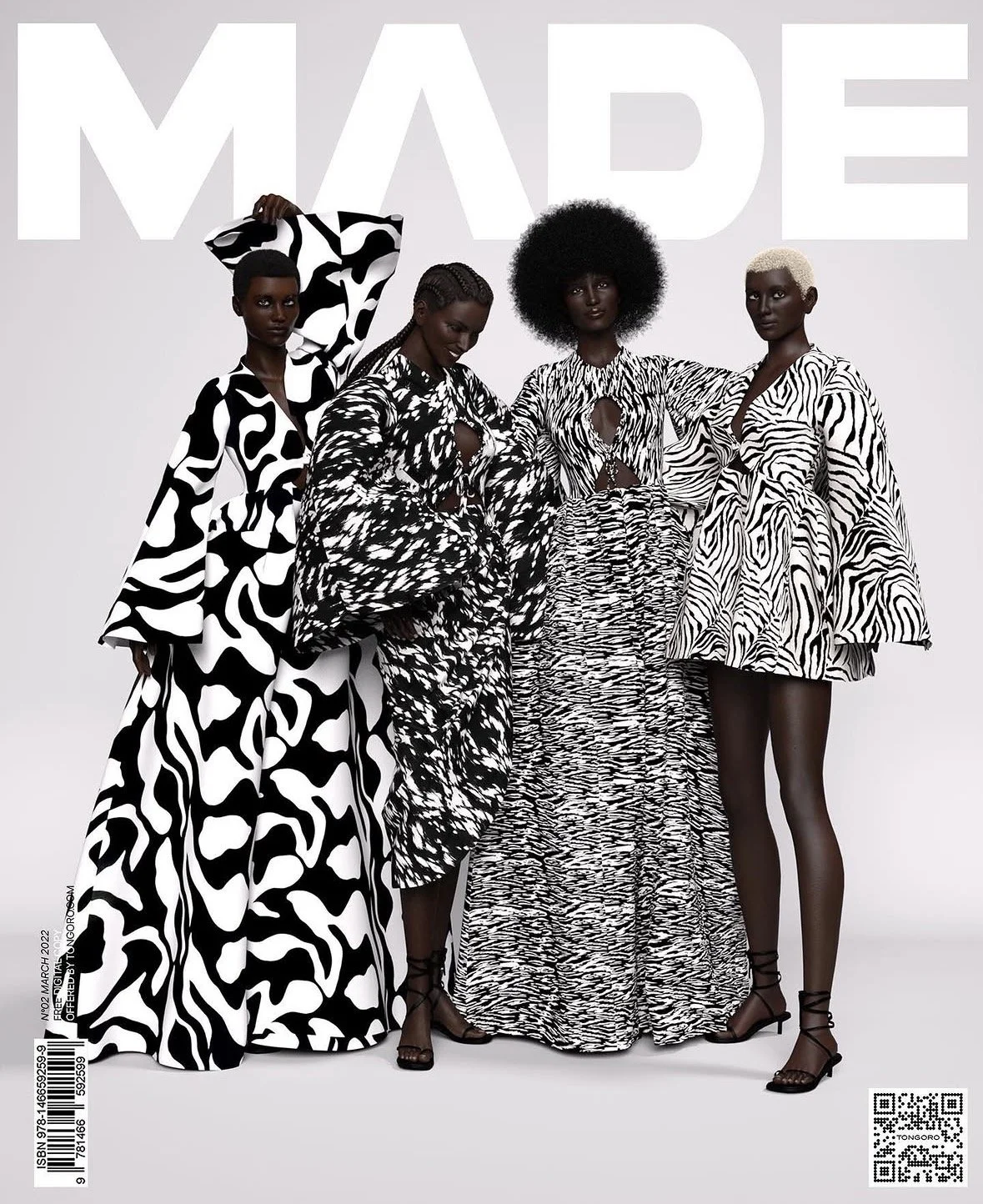
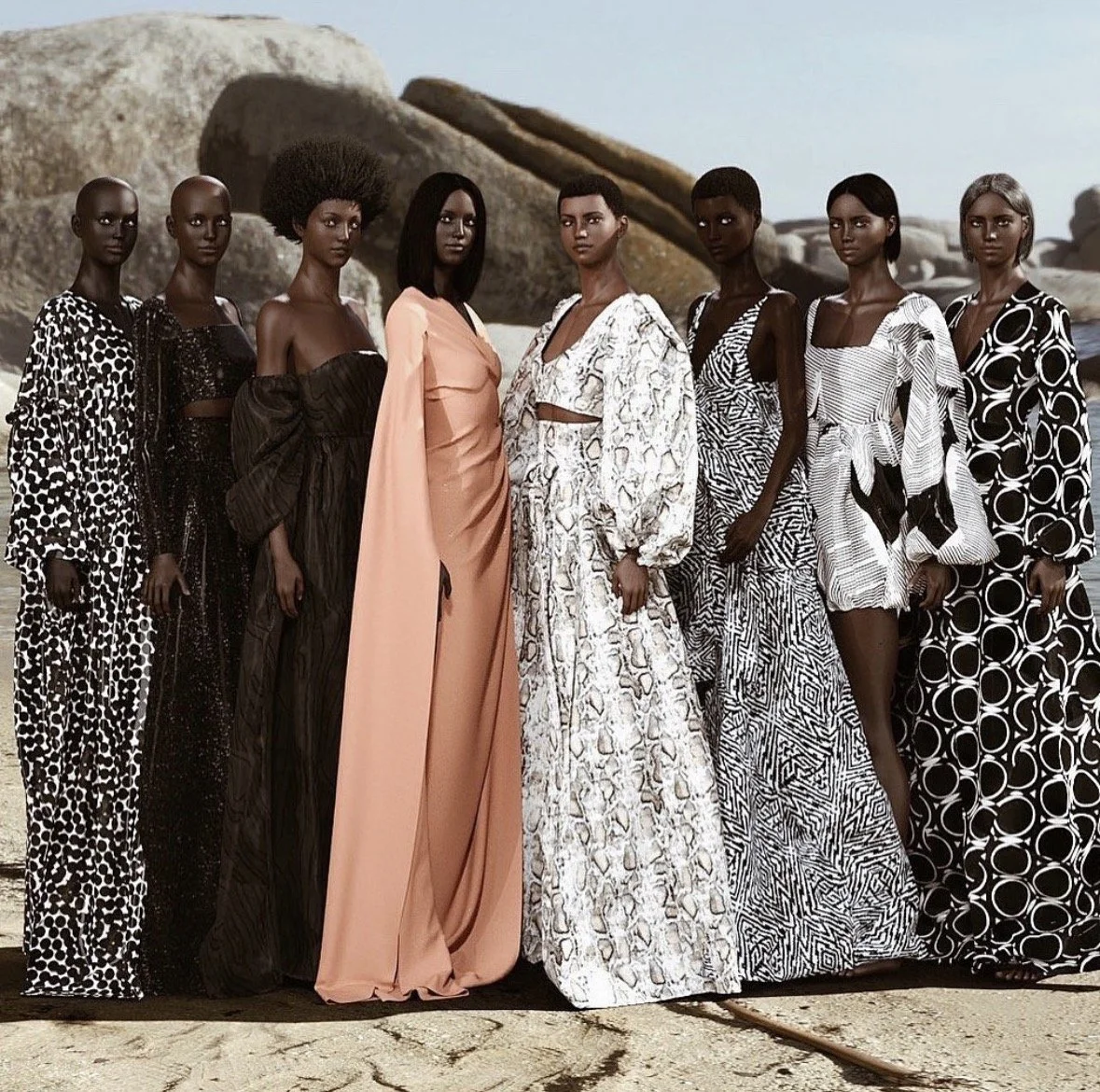
Balmlabs’ work for the Tongoro label
HER LESSONS
Doing what you can with what you have
A top lesson that changed the way you operate?
Do what you can with what you have.
A habit you are trying to build?
Documenting more. I have a tendency to forget how far I've come, or how significant certain moments were at the time. When you're building a business, you're always thinking about the next problem to solve or the next goal to reach, so you rarely stop to look back. Looking back reassures me that I'll probably get through whatever challenge comes next.
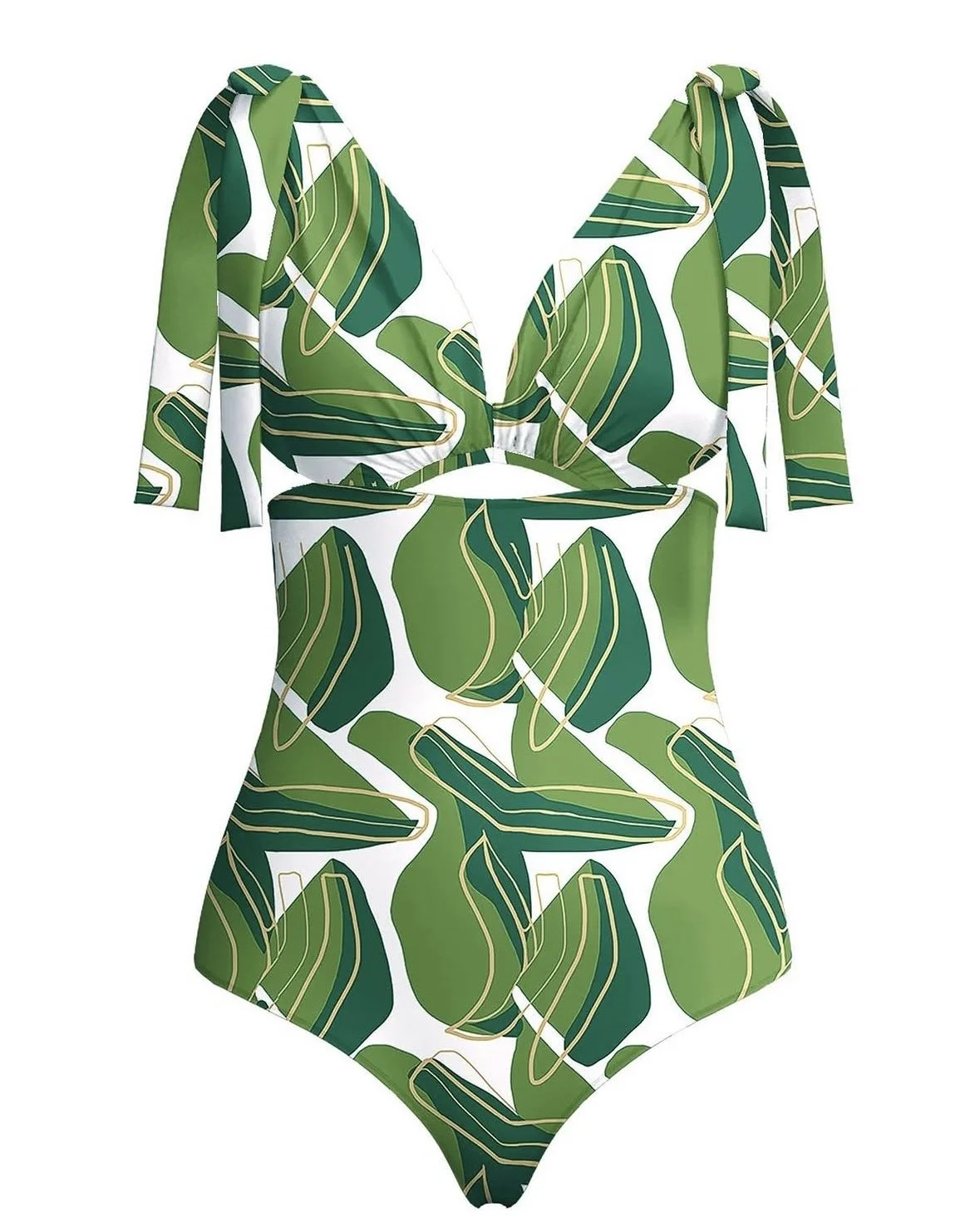
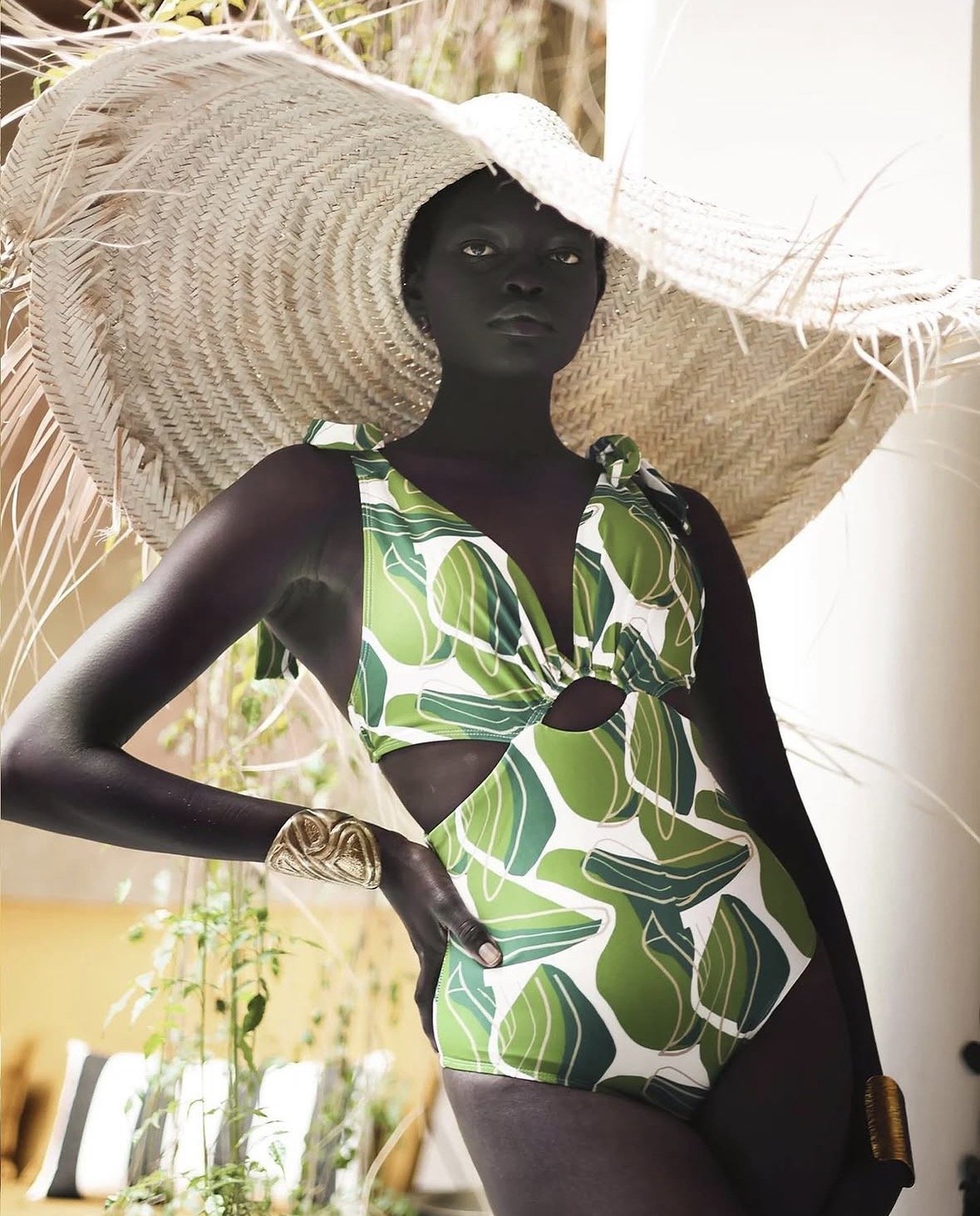
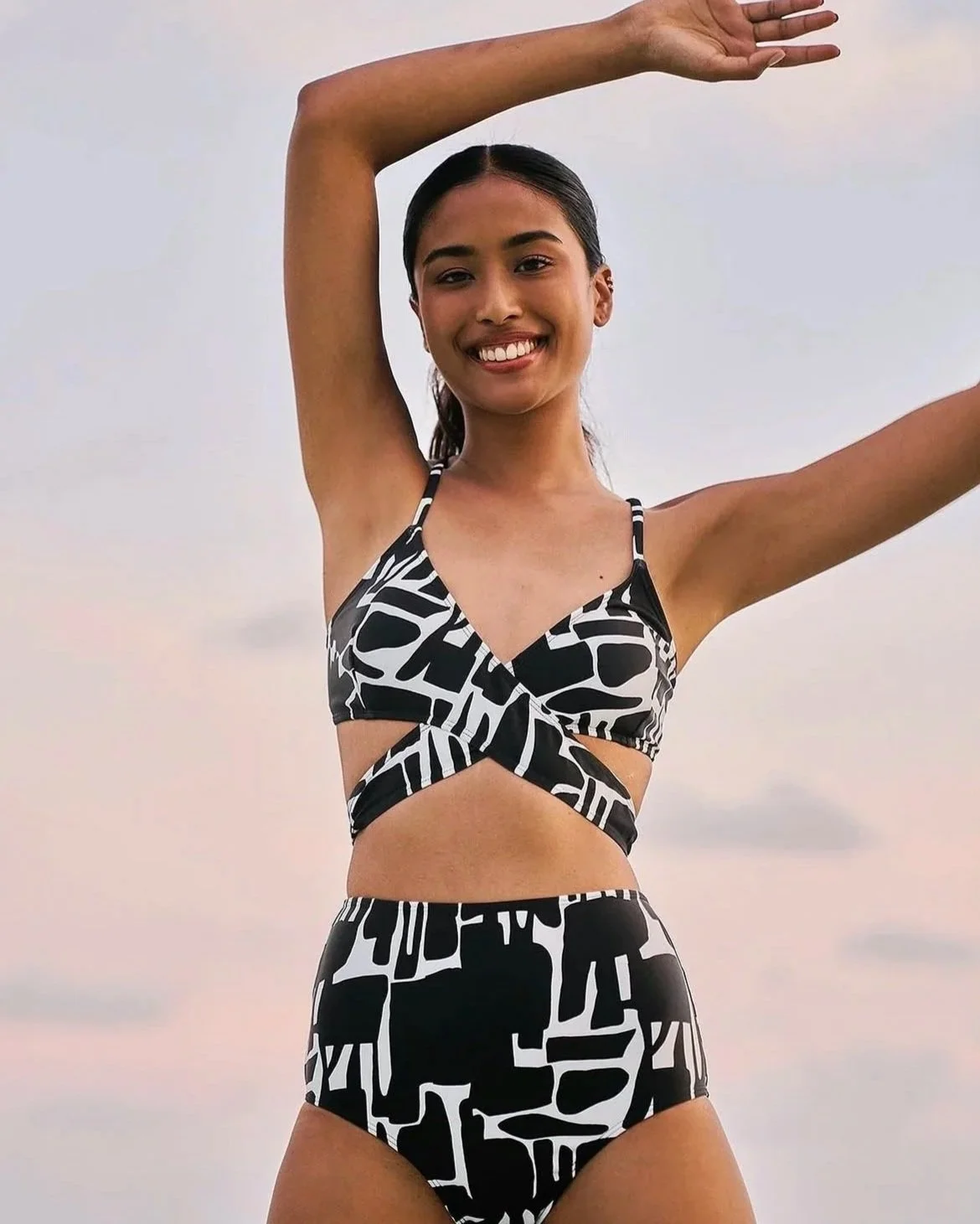
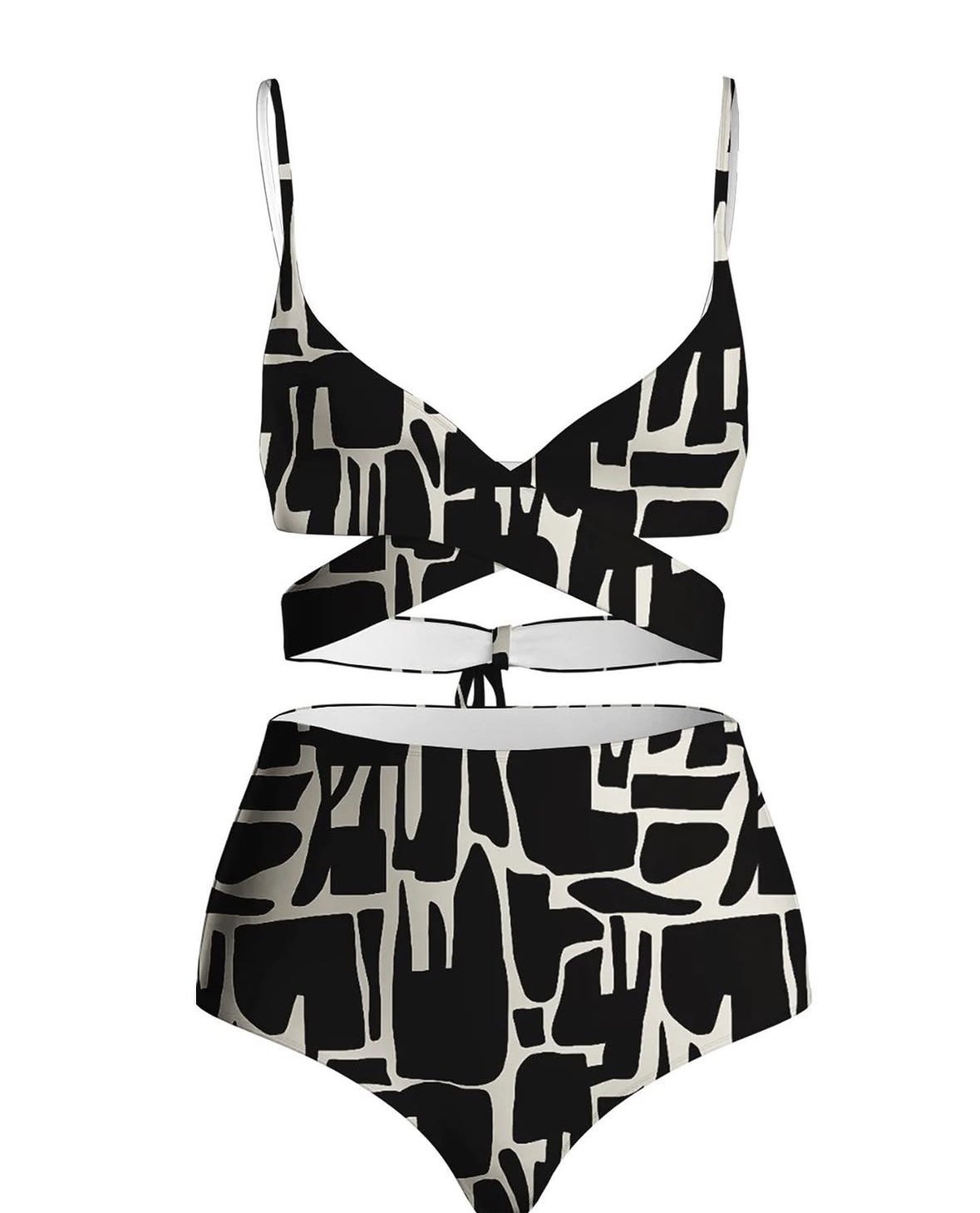
Balmlabs’ work for the Diarrablu label
HER ENERGY
Fabric sourcing, small wins and quiet time
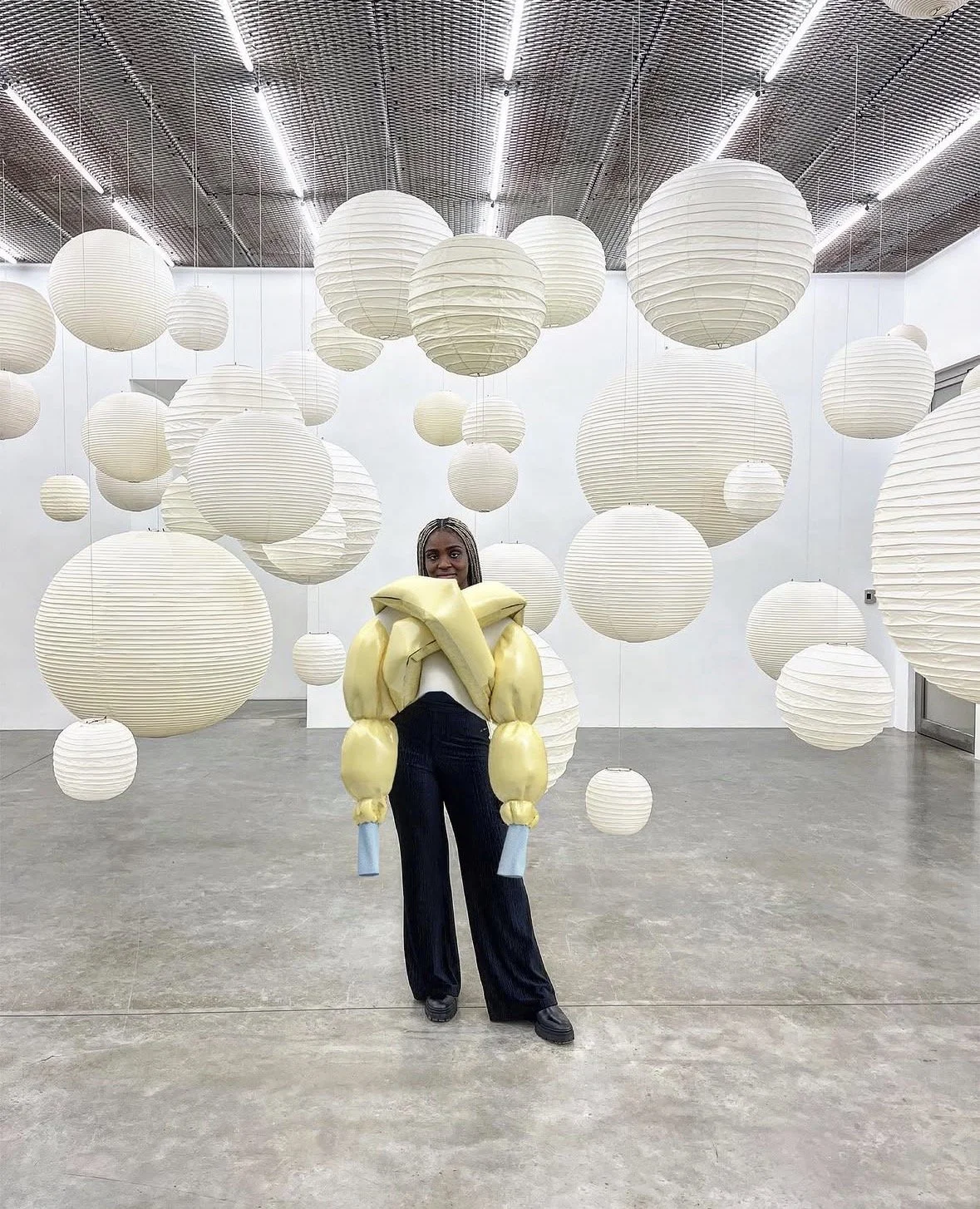
Baboa Tachie-Menson wearing her own digital designs
What do you enjoy the most in your work?
Planning for the future and making changes where I need to. Fabric sourcing and deciding what to do with it is super satisfying.
What keeps you going?
Celebrating the small wins.
How do you stay inspired?
I make sure to prioritise some alone and quiet time.
Where do you find sanctuary in challenging times?
On the tennis court! A good game or practIce session helps renew my mind.
A motto you live by?
Do what you can with what you have.
An affirmation that keeps you going?
Just do it. It keeps me from procrastinating.
HER COMMUNITY
One-on-one bonds
Do you see yourself as part of a community?
I don't really feel part of a wider community, but I do have strong one-on-one relationships and a sense of community with the people closest to me. I usually connect more personally than in large groups.
What does community mean to you and how has it showed up for you?
Community, to me, means not having to carry everything on your own. Entrepreneurship can feel isolating at times, so having people around me who understand and support what I am building makes a huge difference.
One example I can think of: at The Showroom, on a particularly busy day when I was working alone, one of my sisters happened to be there and immediately stepped in to help without hesitation. Because she has been around and engaged, she already understood the products, so speaking to customers came naturally to her.
That moment stayed with me. It was supportive, and exactly what I needed.
“Community, to me, means not having to carry everything on your own. Entrepreneurship can feel isolating at times, so having people around me who understand and support what I am building makes a huge difference.”
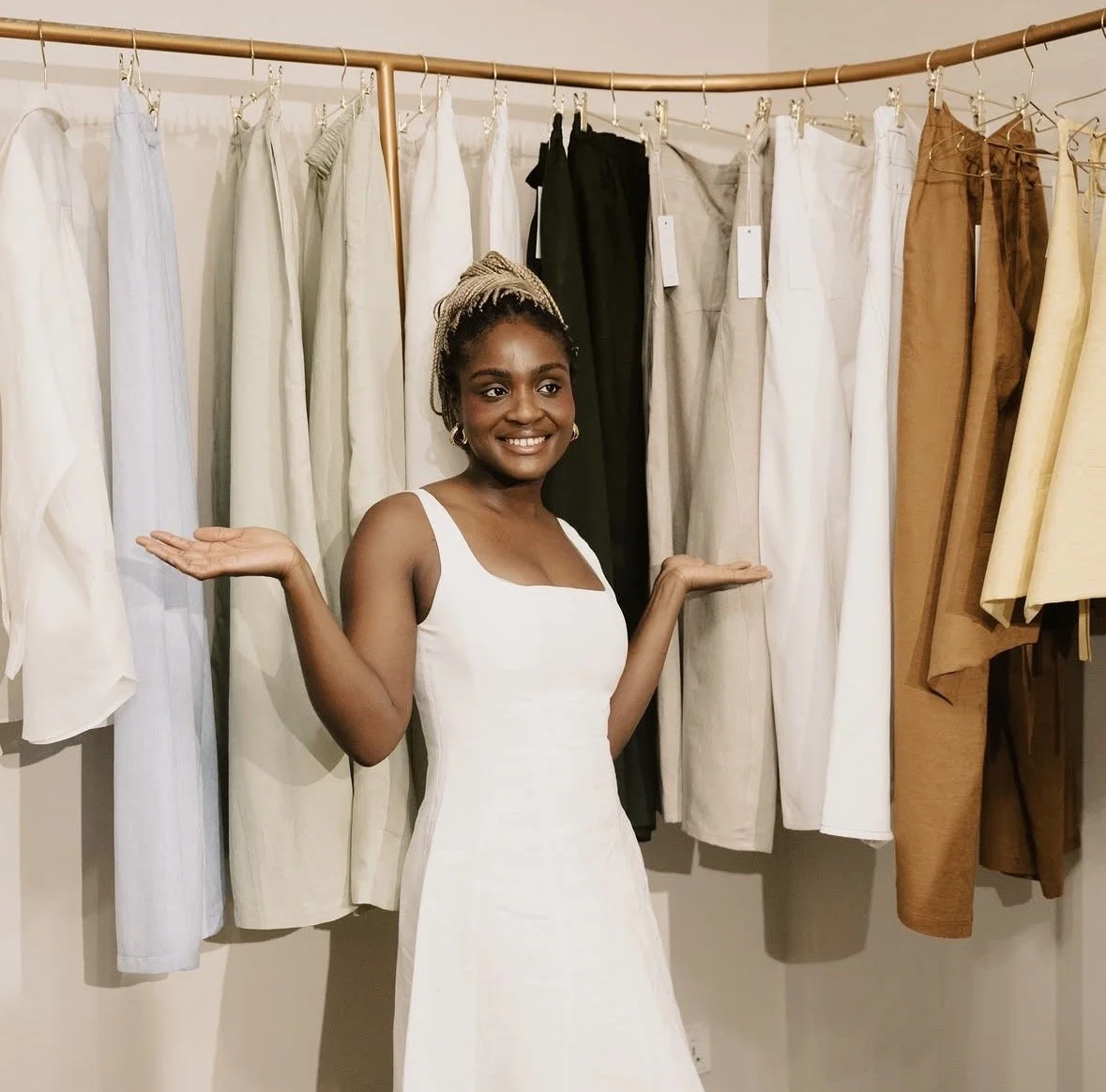
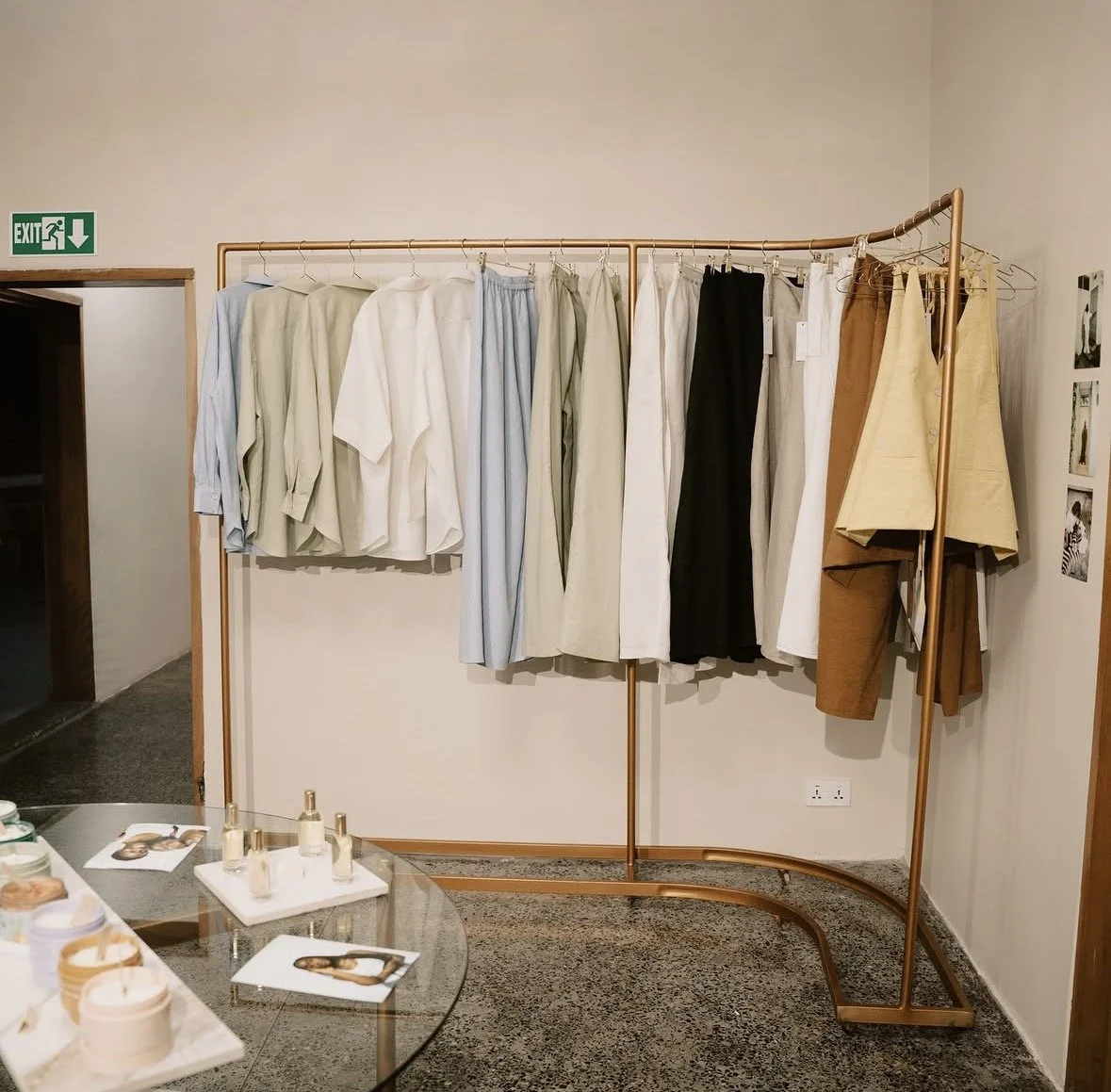
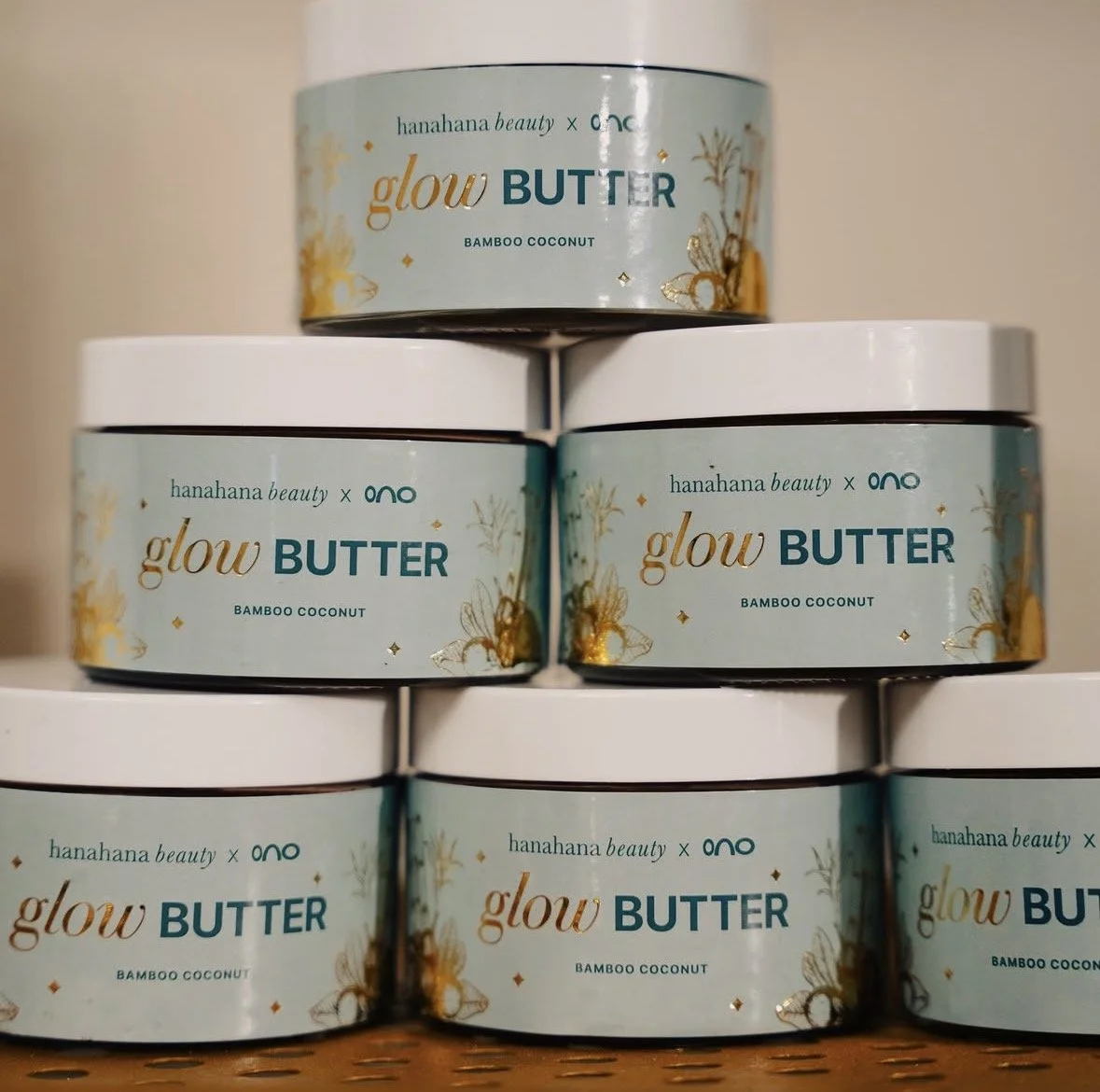
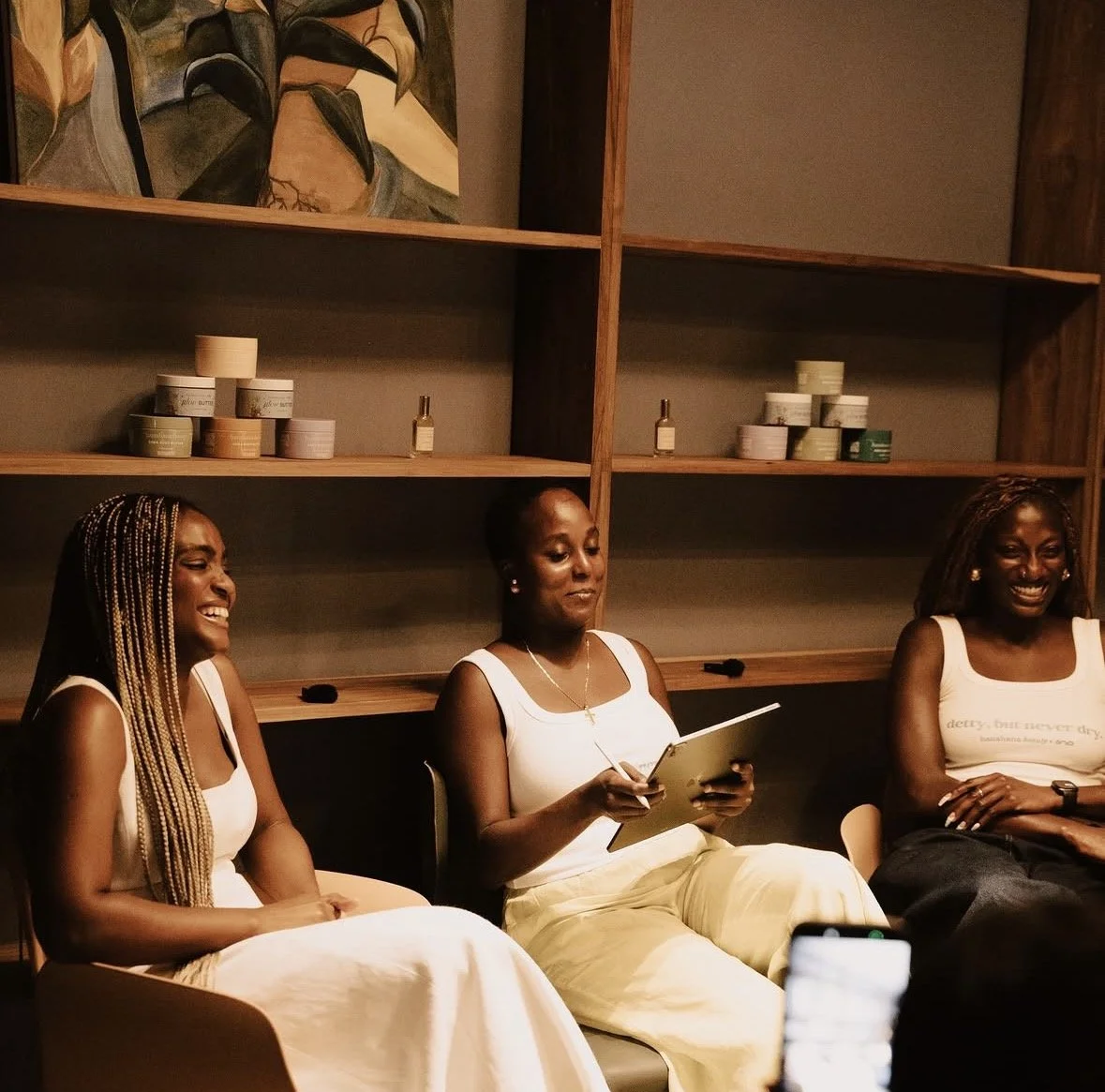
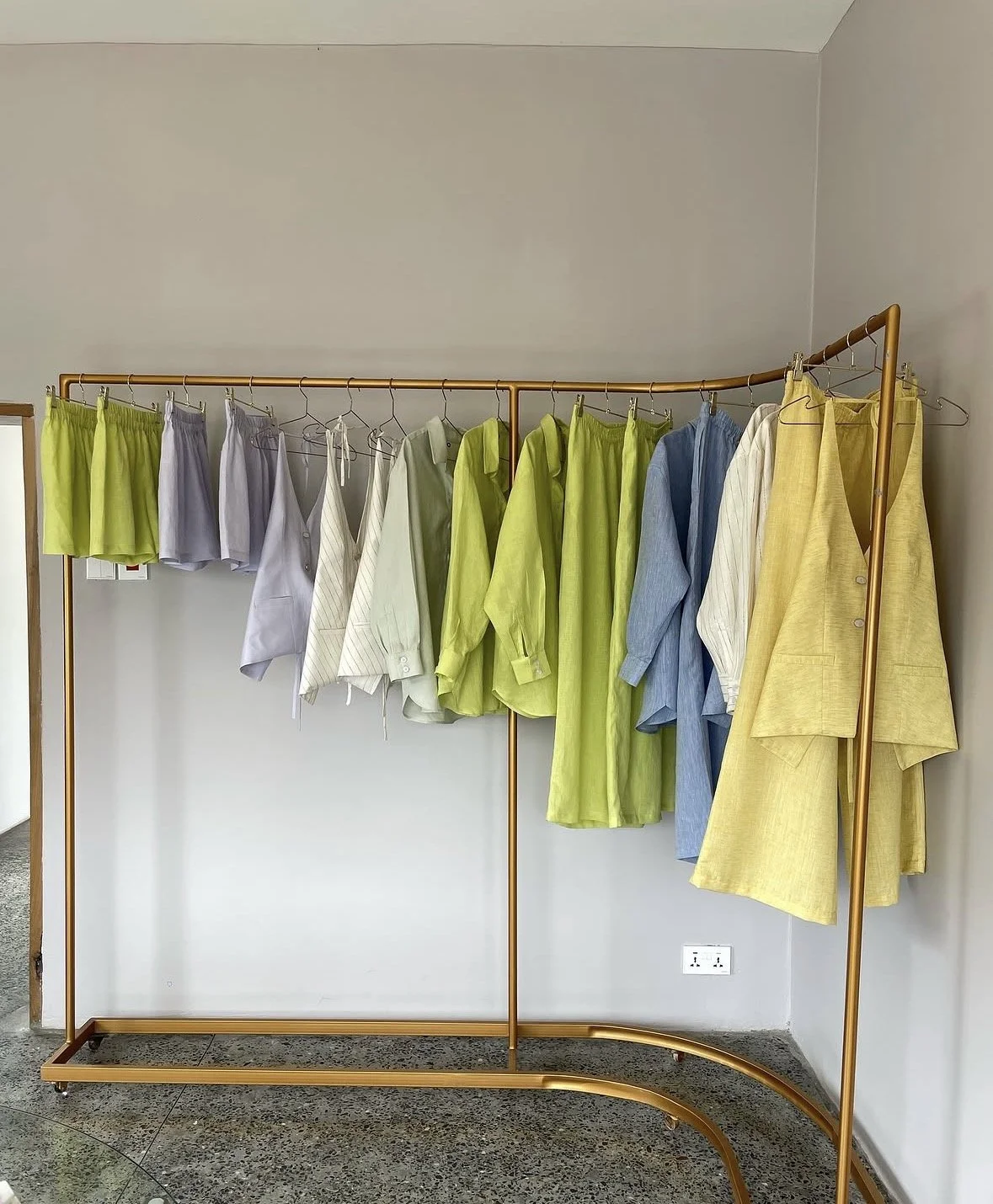
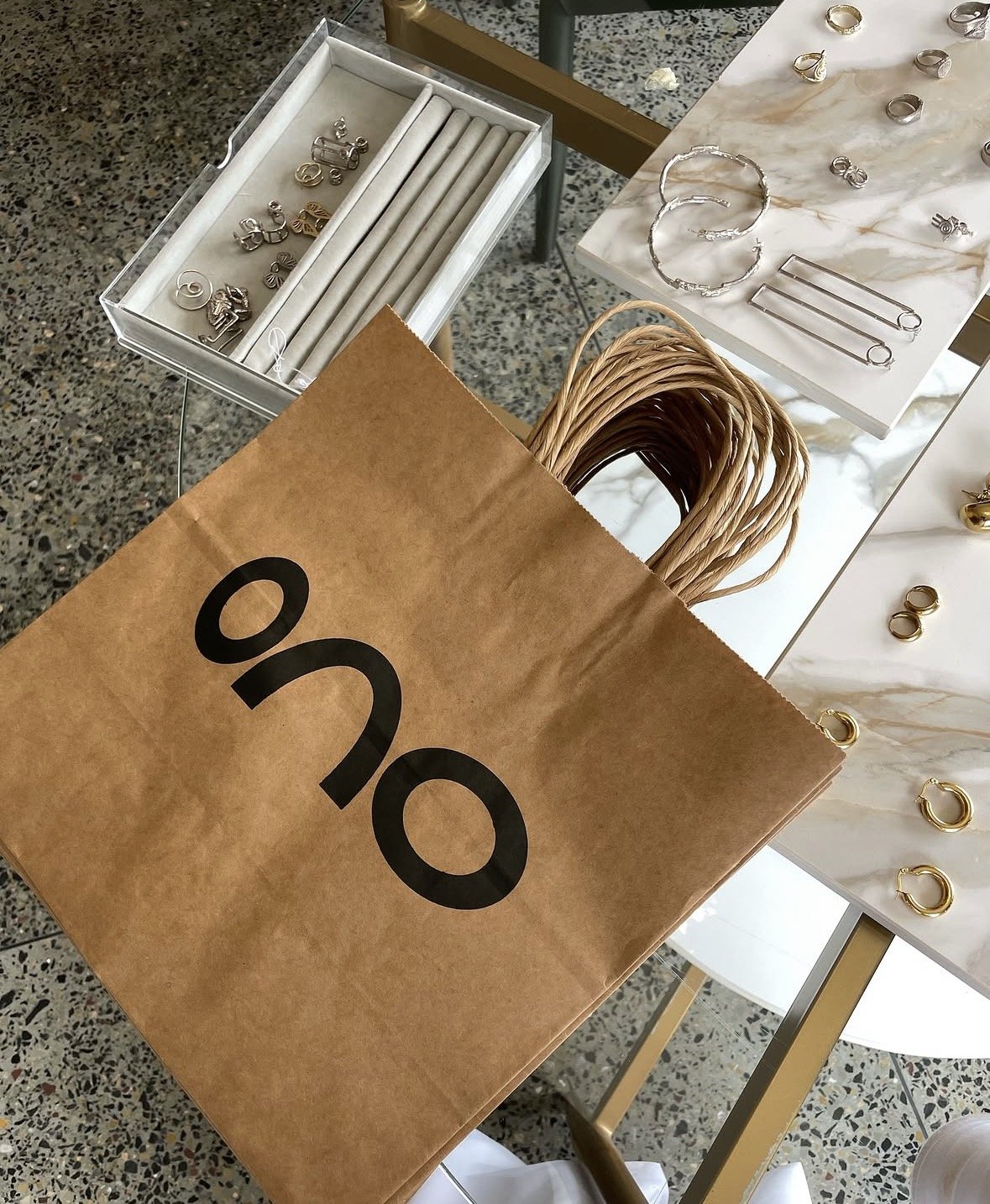
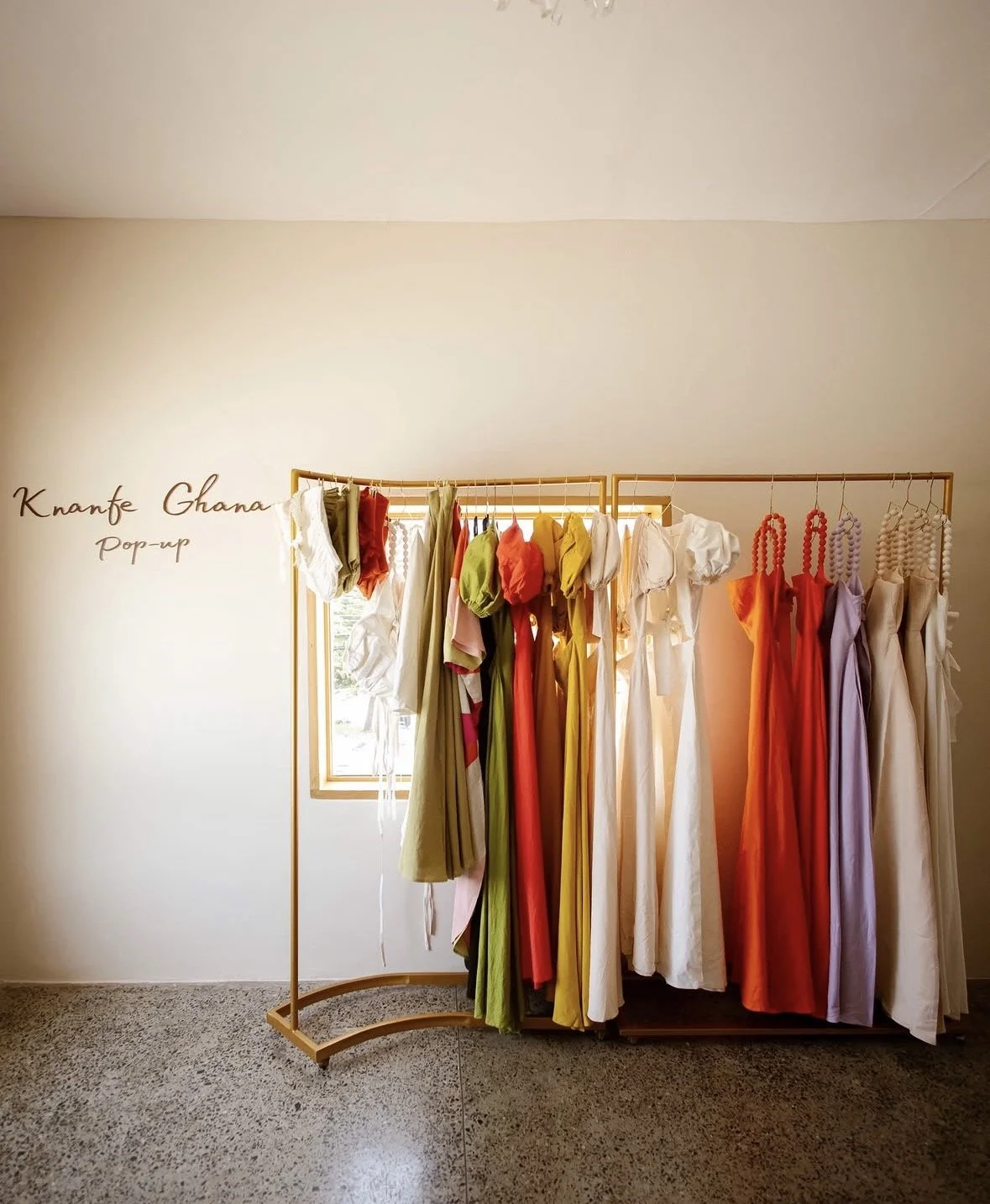
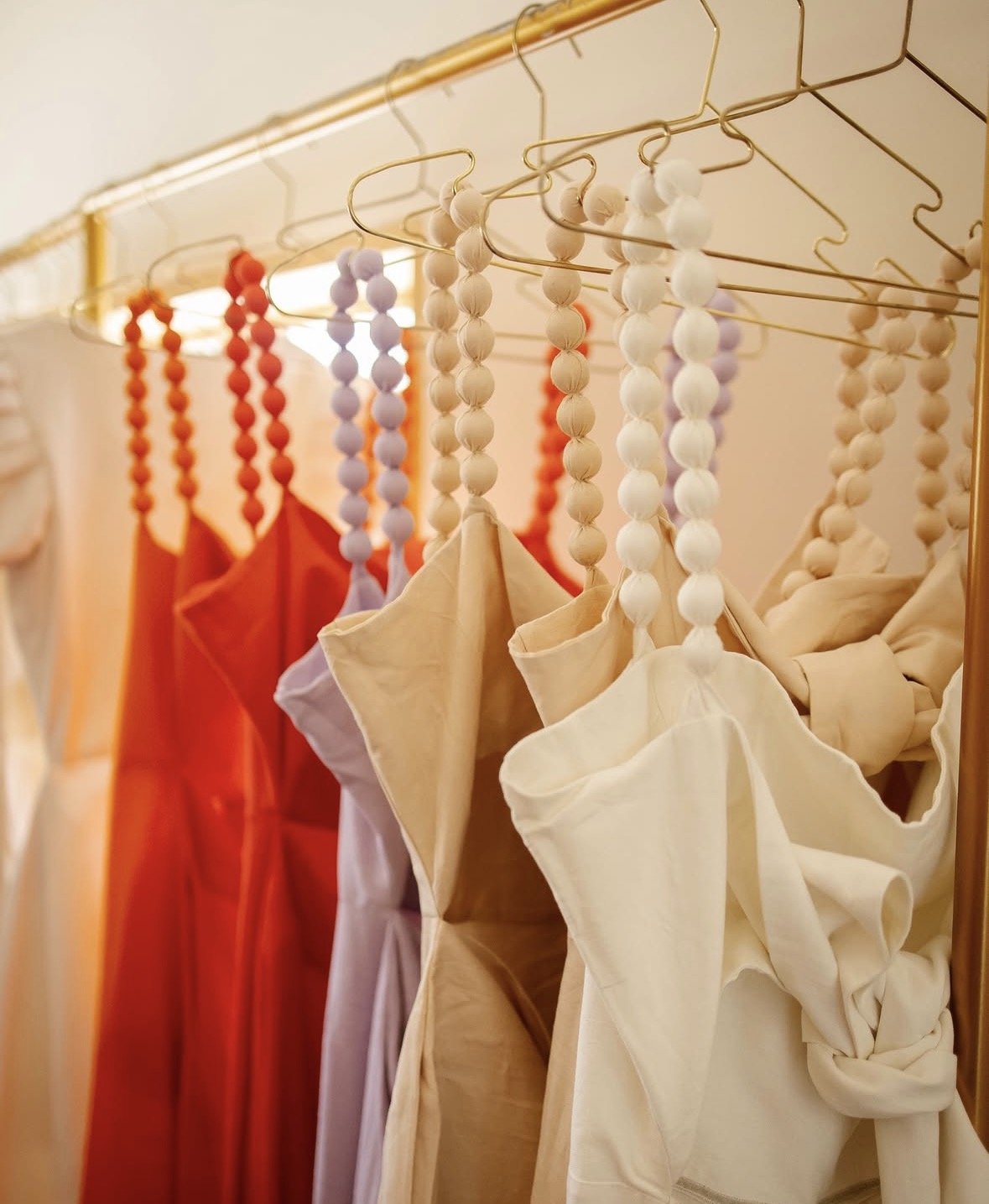
Different activations at the Showroom Accra concept store
HER PERSPECTIVE
What scaling actually means for a creative business
Any specific industry topics you have been thinking about?
I've been thinking a lot about what it really means to scale a creative business. I recently attended an investor mixer where someone said that most creative businesses are unscalable. That comment stayed with me, because it made me question what scaling actually looks like for the kind of businesses I'm building.
I've realised that for me, as a creative building my own businesses, scaling isn't necessarily about becoming bigger. It's about building systems that allow the business to grow without me having to be involved in every single step of the process.
As an entrepreneur who is also a creative, it's very easy to get pulled into the day-to-day of the business. If you can sew, you'll sew. If you can design, you'll design. You end up wearing every hat because you know how to do it. While that's super helpful in the early stages, it can also become the thing that limits growth.
What challenges and opportunities do you see in the global African fashion ecosystem?
I think one of the biggest challenges right now is standardisation. Once that is in place, across things like sizing, pricing, production and delivery, everything else starts to flow more easily. Building more consistent systems is what will really unlock growth for African brands on a larger scale.
By consistent systems, I mean things like clear production processes, detailed tech packs for every garment to reduce unnecessary errors, and reliable quality control. These might not be the most exciting parts of building a fashion brand. In fact, I think tech packs are probably among the hardest and most time-consuming. But they are what make growth possible: they allow you to work with manufacturers more efficiently, maintain consistency as you grow, and build trust with customers.
If someone buys a garment from your brand today and comes back a year later, they should know what to expect in terms of fit, quality and finish. That level of consistency builds confidence in the brand, especially for customers buying online, who can't walk into a store or try something on before purchasing.
At the same time, that's also the opportunity. There is already so much creativity and global interest in African fashion. We are definitely not lacking great ideas or talented designers. What will unlock the next stage of growth is building businesses that are just as strong operationally as they are creatively.
What avenues could better bridge independent designers and global audiences?
First, more physical spaces where people can connect with brands and experience their work. At The Showroom, customers who were here during the Christmas season discovered new brands through our various pop-ups.
Second, building strong systems, so that when the time comes to cater to the global market, brands can be trusted and can sustain the demand.
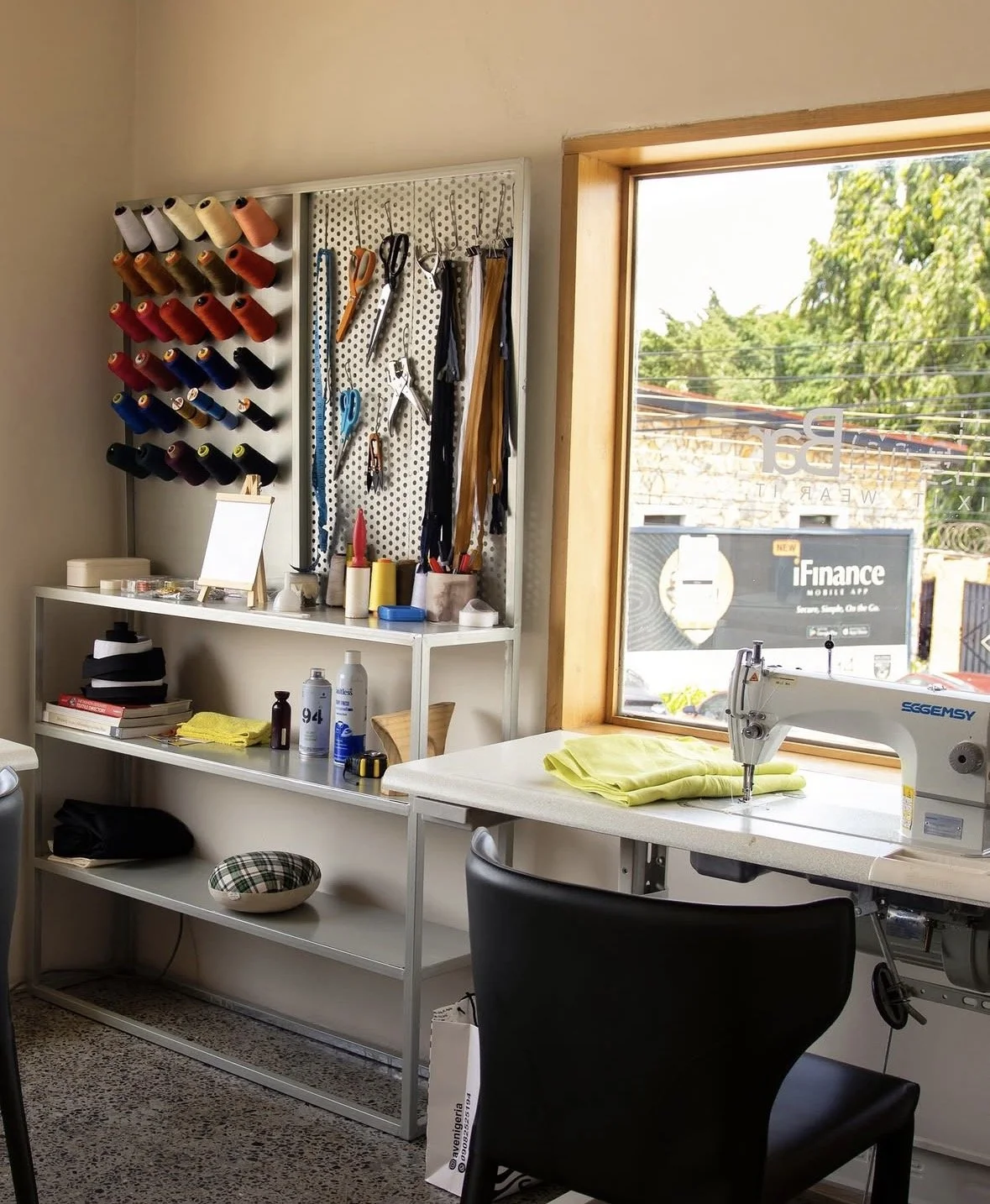
The Hem Bar alterations service available at the Showroom Accra store
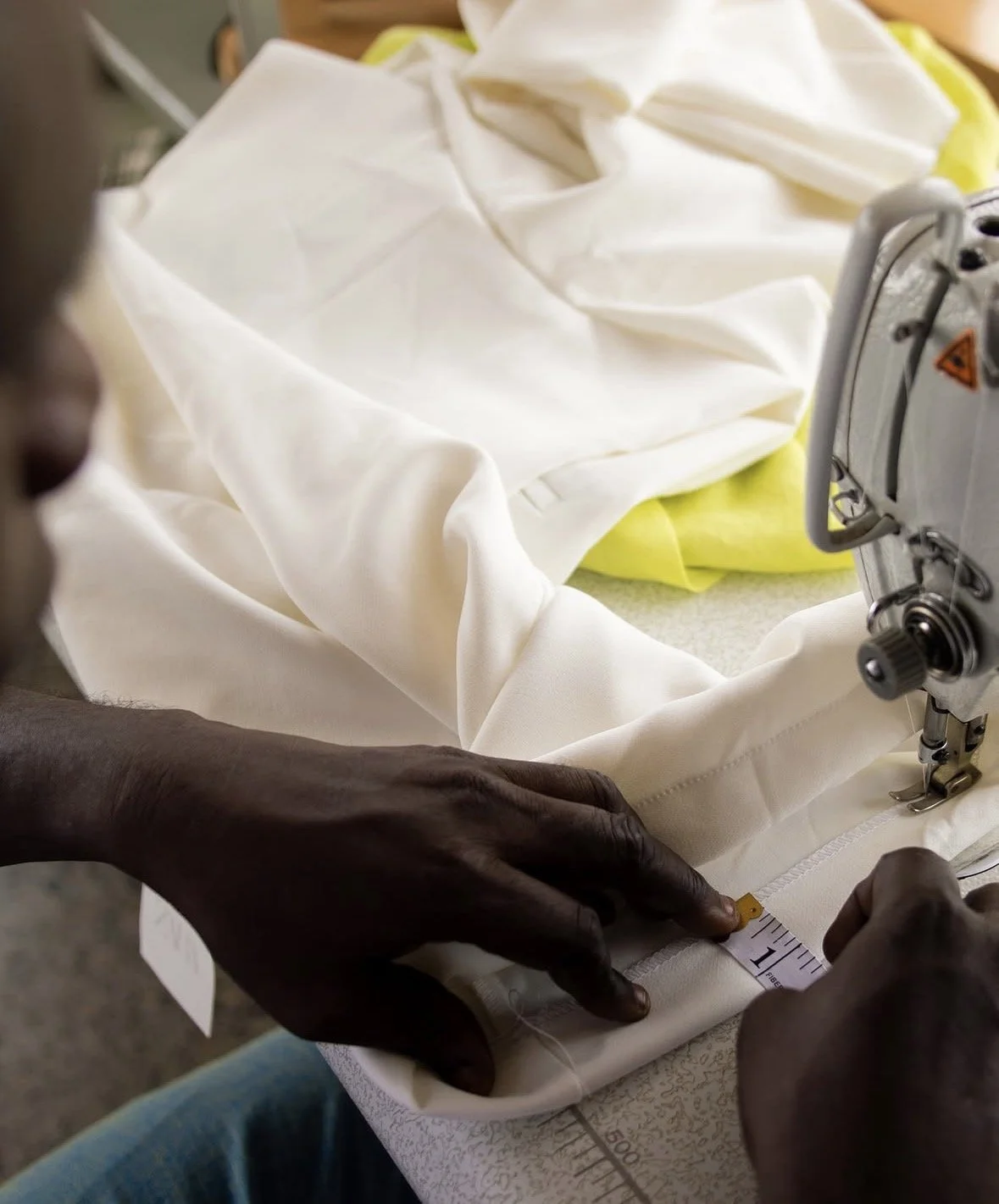
The Gem Bar alterations service available at the Showroom Accra store
ON HER RADAR
The next two years, and Dries Van Noten's bold prints
What are you curious about at the moment?
The near future. I am really curious to see what life will be like in the next two years. I say two years because when I look back to 2024, life was SO different, I can't even explain it. A lot can change in a short amount of time.
What fashion event or news has got you excited recently?
The Dries Van Noten SS26 collection. I absolutely loved the mix and match of bold prints. I haven't seen the entire collection yet, but the photos I saw were pretty exciting.
“I have been interested in what it means to scale your business, and what the right approach to that looks like for me. I was recently at an investor mixer where someone said the majority of creative businesses are unscalable. It has pushed me to think more deeply about what scaling actually means for my kind of business, and how to grow without losing what makes it special.”
HER STYLE
Linen Ono staples, silver chrome Tabis and Iamisigo's SS26
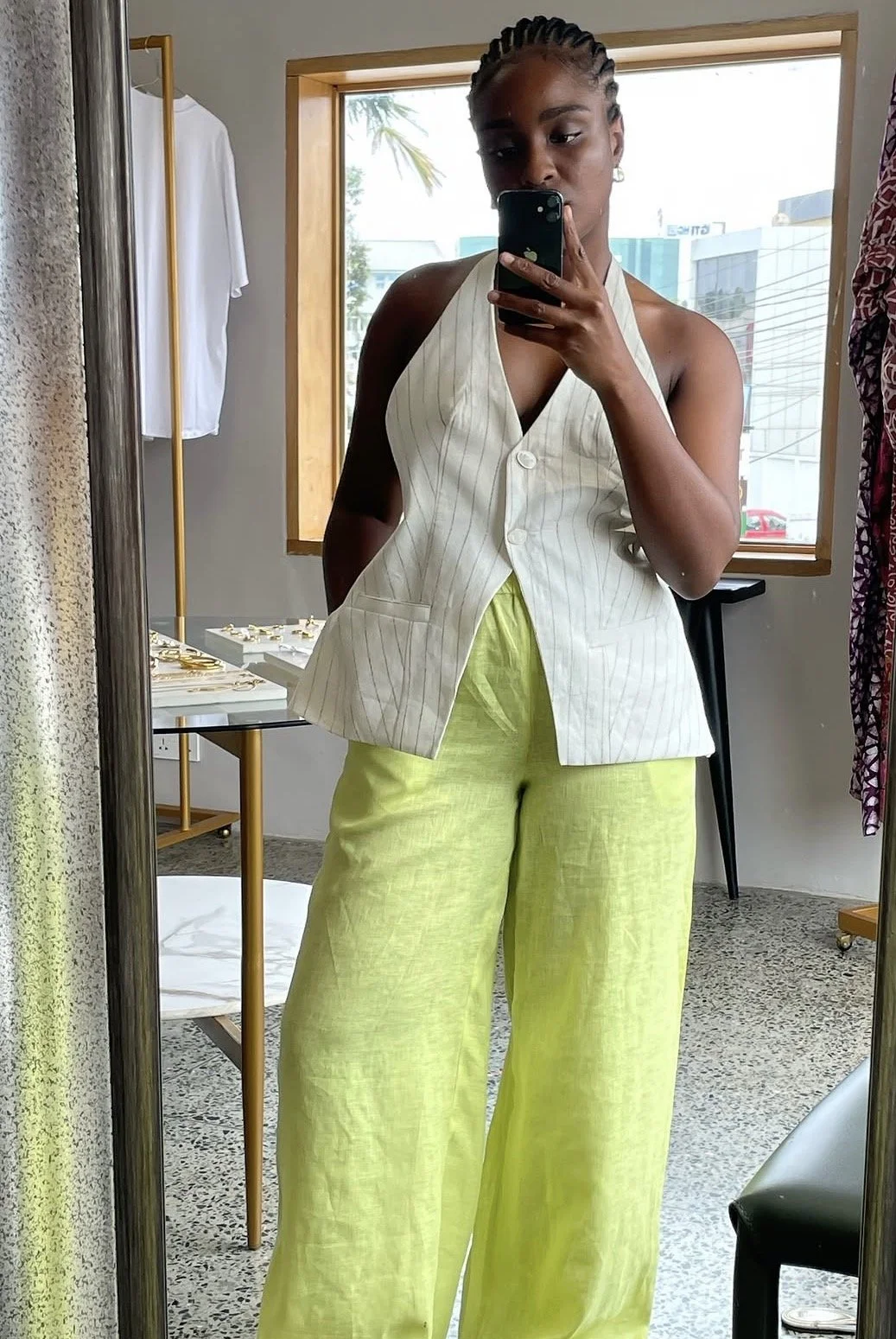
Baboa Tachie-Menson wearing her label Ono’s open back vest in off-white and linen pants in lime green
Your wardrobe essentials?
A 100% linen Ono shirt in off-white, 100% linen Ono pants in off-white, a cute tennis dress, milk shades, and silver chrome Tabis.
Where do you discover African and diaspora brands?
Industrie Africa.
Some of your favourite African and diaspora brands?
I am still searching for that one brand I feel completely connected to, but I am really loving Iamisigo's SS26 collection. What stands out to me is how she works with artisans and materials from across the continent. It is a powerful way of both showing and expressing what a connected Africa can look like.
Any specific pieces you have your eye on?
The Cracked Recycled Glass bag from Iamisigo SS26. I would love to just have it on display in my home.
THE CONNOISSEUR EDIT, INSPIRED BY HER
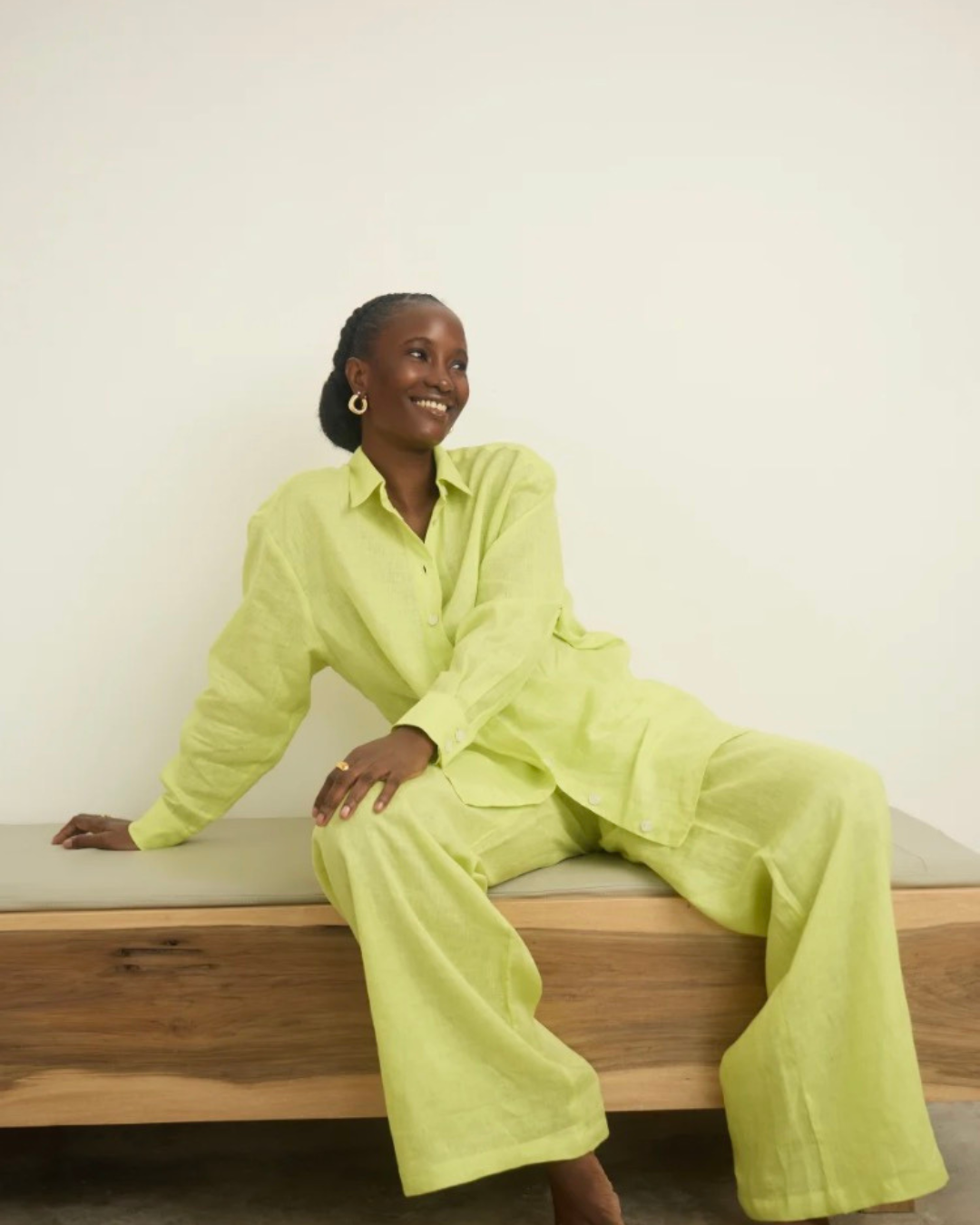
ONO Oversized Linen Shirt and Pants Set Lime Green

ONO Linen Shirt and Short Set Light Brown
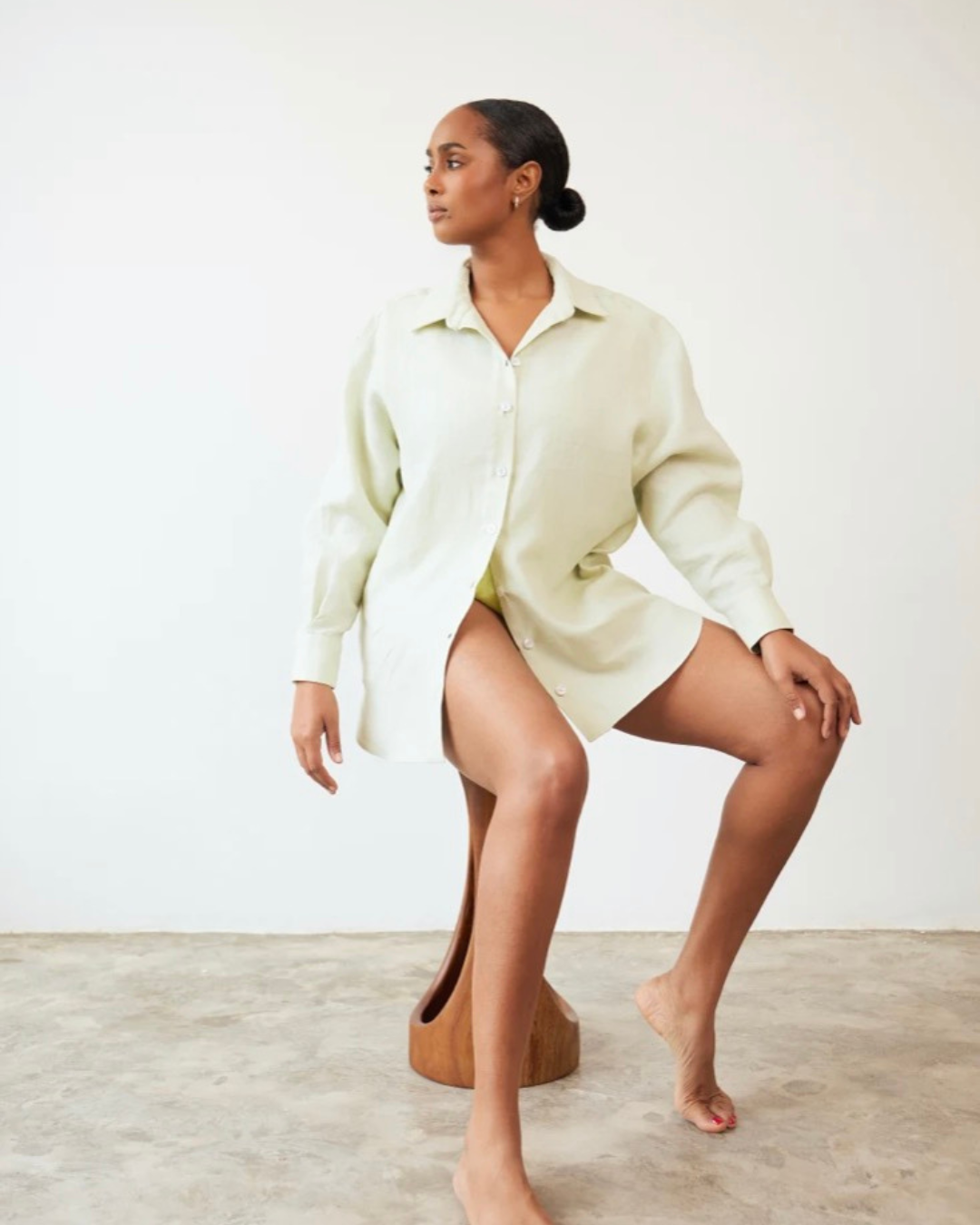
ONO Oversized Linen Shirt Off-White Striped
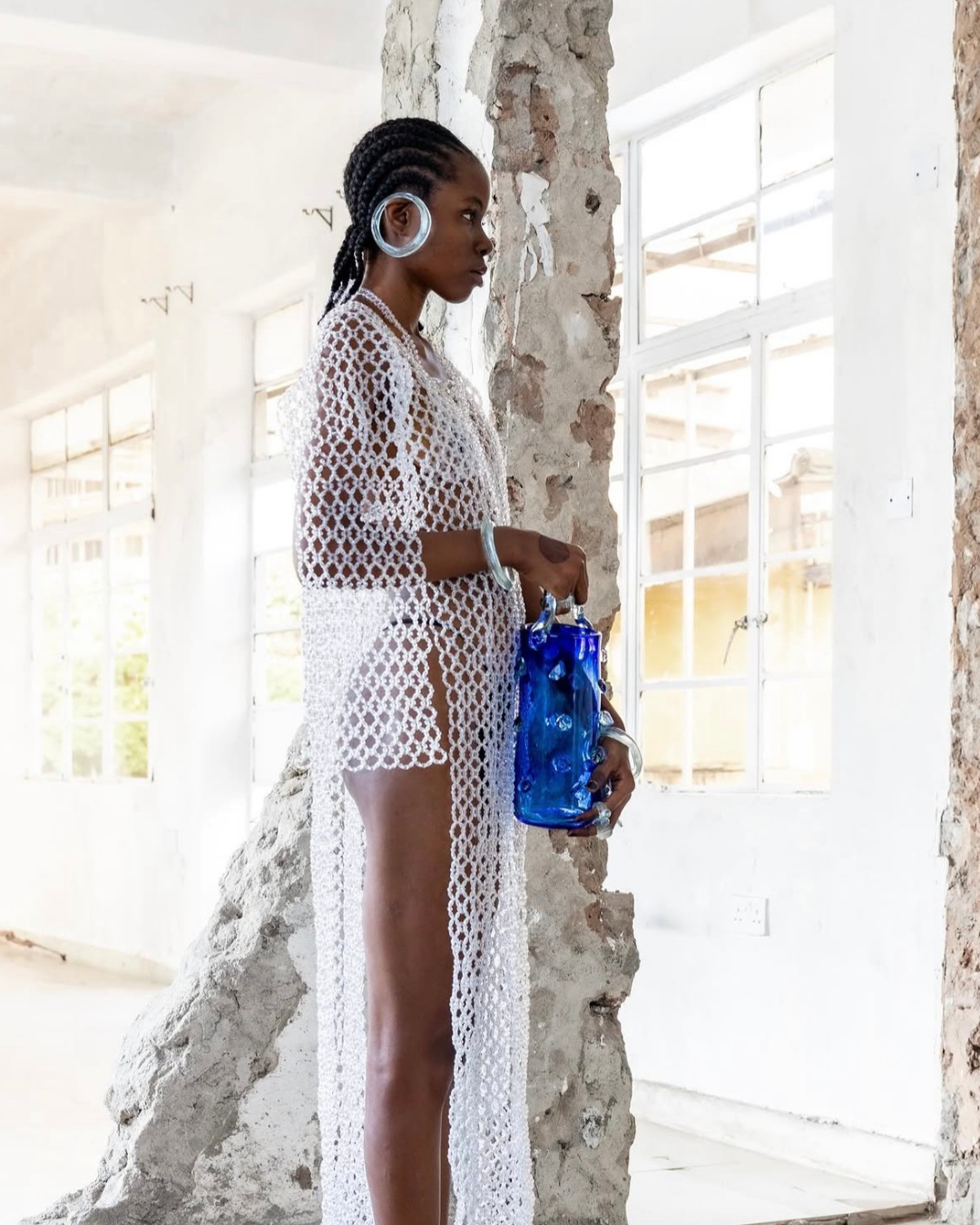
IAMISIGO Cobalt Glass Bag
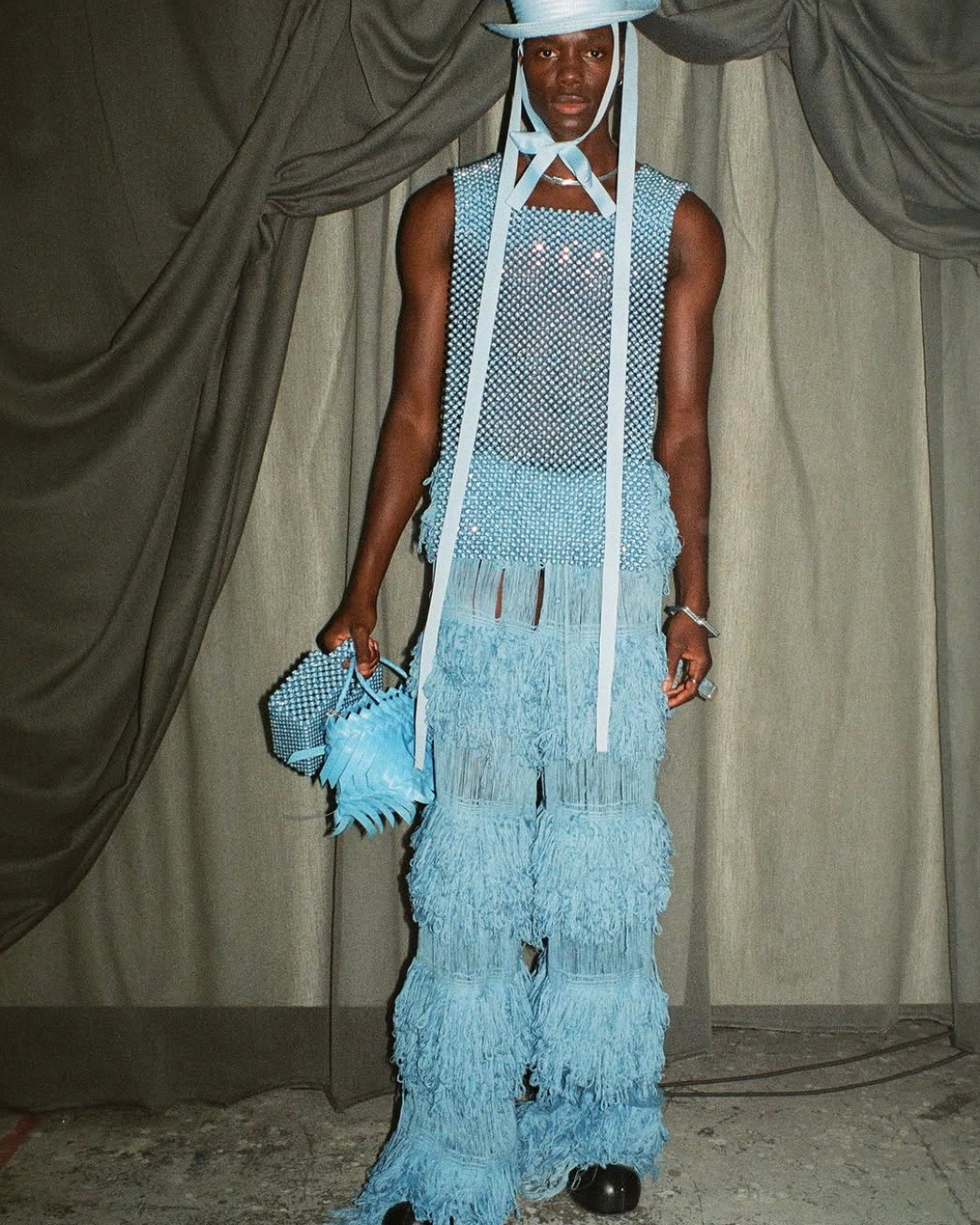
IAMISIGO Aqua Loop Weave Pants
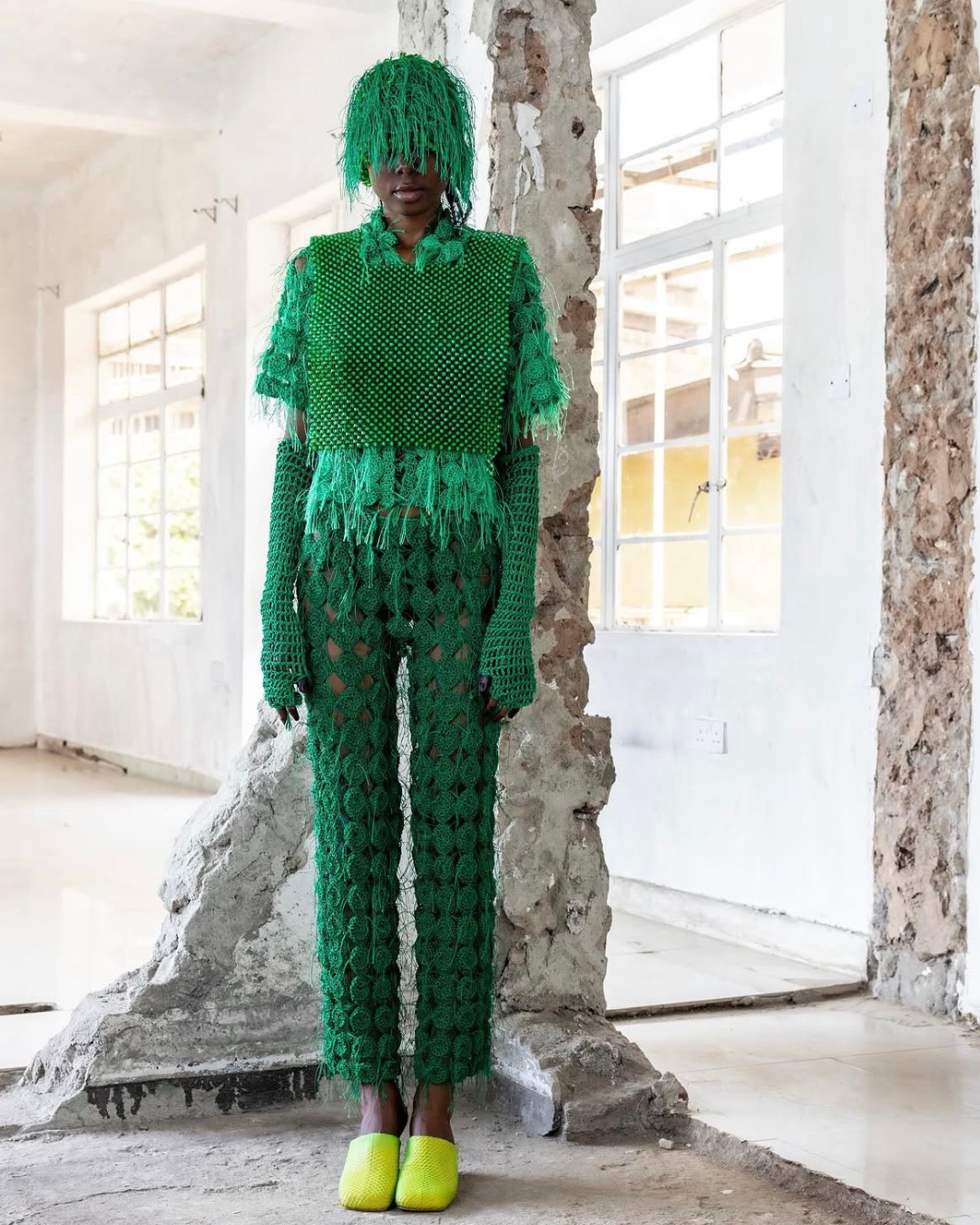
IAMISIGO Emerald Beaded Top
Baboa Tachie-Menson works across 3D design, retail and her own apparel line, so when she talks about what it takes for African brands to reach the global market, she is not theorising. Her answer is clear: production processes, quality control and the systems that let a business grow without its founder in every step. The creativity, as she puts it, was never what was lacking. The next stage belongs to brands that are just as strong operationally as they are creatively.
Follow Baboa’s work at @_baboa, @balm.labs, @theshowroomaccra and @worldono.
Read the previous portrait with Artisans Advisory and BuyerBeWear founder Debola Adebowale, and subscribe to the NDAANE newsletter to stay across every conversation in the series.