
Rhoda Ogbeide believes connection has to be built on purpose
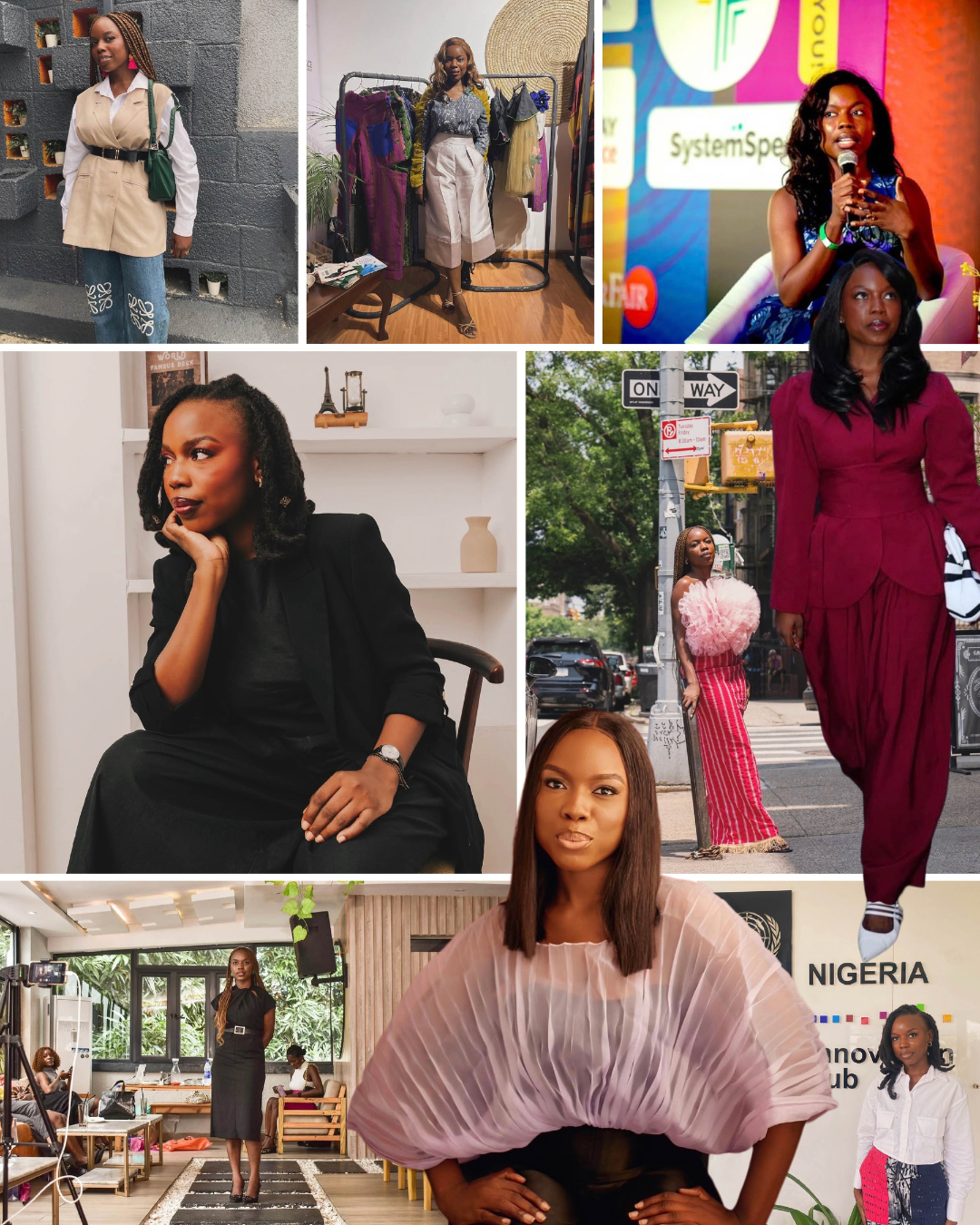
RHODA AGUONIGHO OGBEIDE
“At the core of my work is a philosophy I call co-connection: the intentional bridging of people, systems and opportunities across different levels. Lhaude was built on this idea, creating pathways that connect emerging and established creatives, local ecosystems and global markets, and culture and commerce, in a way that’s both structured and sustainable.”
Rhoda Ogbeide came into the creative industry with no map and soon saw two parallel worlds: those with access and those without. The consultant, curator and founder of Lhaude Africa has spent the years since designing the links between them, a practice she calls co-connection. We asked her how it works, what it has taught her about trust and where it goes next.
HER CRAFT
Co-connection and the infrastructure behind African creative businesses
Rhoda Ogbeide is a Lagos-based consultant and curator who founded Lhaude Africa, a Pan-African platform building the structures that help African creative businesses grow, connect and trade in global markets.
Could you tell us what you do and why it matters to you?
I work at the intersection of culture, fashion and systems-building. I'm the founder of Lhaude Africa, a Pan-African platform and emerging institution focused on developing the infrastructure that supports African creative businesses to grow, connect and operate within global markets.
At the core of my work is a philosophy I call co-connection: the intentional bridging of people, systems and opportunities across different levels. Lhaude was built on this idea, creating pathways that connect emerging and established creatives, local ecosystems and global markets, and culture and commerce, in a way that's both structured and sustainable.
My work spans consulting, curation and platform building. I design programmes and experiences that give designers and creative professionals access to the knowledge, networks and trade opportunities that allow them to scale with intention.
I’m driven by the gap I've seen over time. There's no shortage of talent in African fashion, but there's often a lack of structure, access and continuity. I'm passionate about building those missing layers, not just spotlighting creativity but creating the systems that allow it to thrive sustainably.
What led you to start Lhaude?
It came from a very personal place. I came into the creative industry as an emerging creative with little to no prior knowledge, essentially a blank slate. I was constantly seeking knowledge, exposure and access, trying to understand how the industry really worked.
Over time, I realised my experience wasn't unique. Many others were navigating the same gaps, trying to find their way in an ecosystem that often felt fragmented and difficult to access.
At the same time, I began to gain entry into certain rooms, fashion shows and industry spaces, and I became aware of a clear divide. There were two parallel worlds, those with access, structure and visibility, and those without.
That contrast shaped everything for me.
Lhaude was born out of the need to bridge that gap: to create pathways that connect emerging creatives to opportunity, to build access where there was none, and to foster a more structured, sustainable ecosystem where talent isn't left to navigate alone.
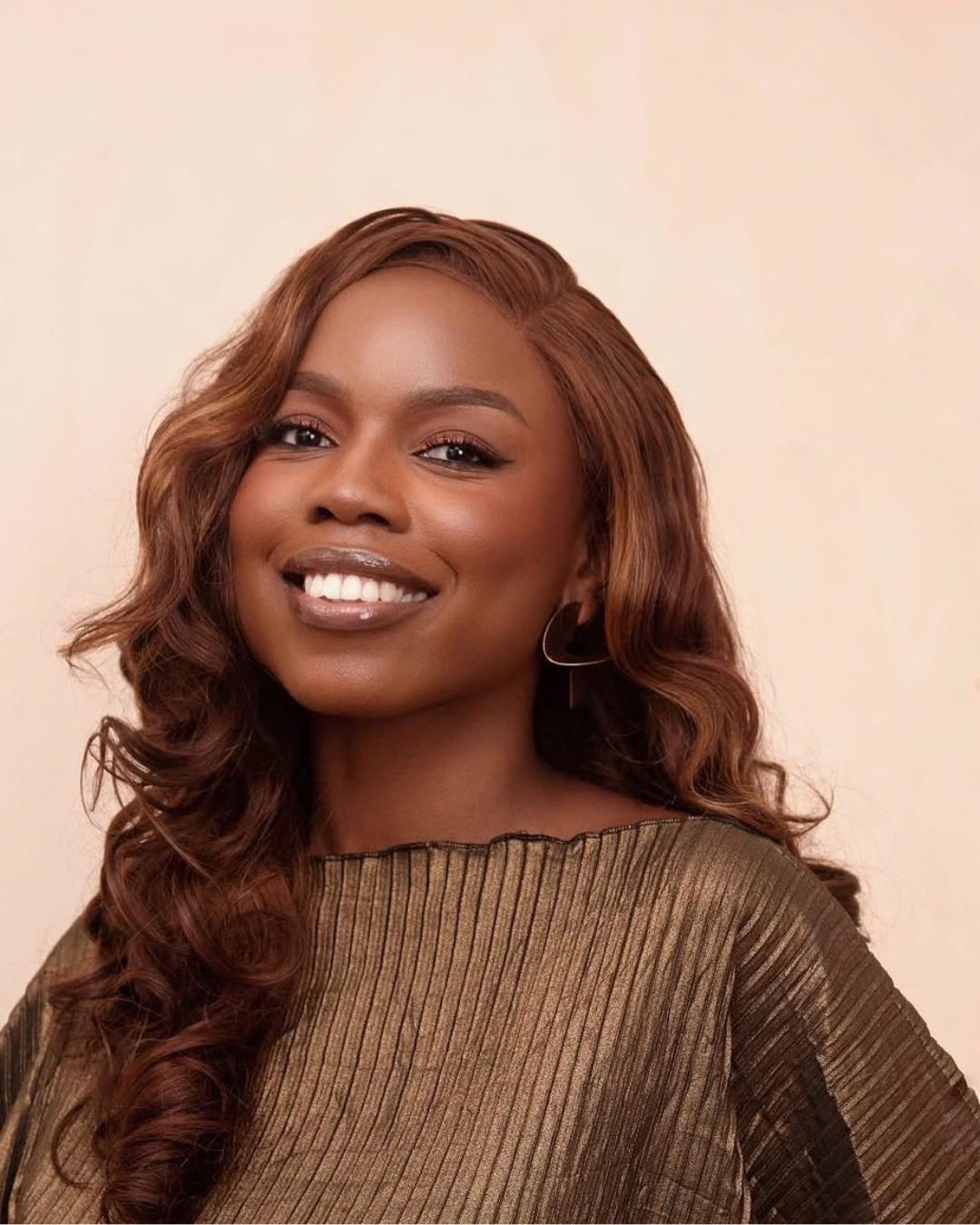
Rhoda Ogbeide, founder of Lhaude Africa.
What message do you want to convey through your work?
That African creativity deserves structure, access and global relevance.
For a long time, the narrative has focused heavily on talent and visibility, but not enough on the systems that allow that talent to grow, scale and sustain itself. Through my work, I'm trying to shift that, from celebrating creativity to actually supporting it in a more intentional, long-term way.
I believe that real growth happens when people, knowledge, and opportunities are intentionally connected across different levels.
On a personal level, it means contributing to something larger than myself. I remember standing at the end of a show, watching the runway, and feeling completely overwhelmed by the magnitude of what had just been created. It wasn't just a show. It was the result of an entire ecosystem working together: designers, stylists, production teams, models, partners, every layer contributing to a shared outcome.
That moment stayed with me. It reaffirmed a deeper conviction that my work isn't just about individual success, but about building systems that support an entire ecosystem.
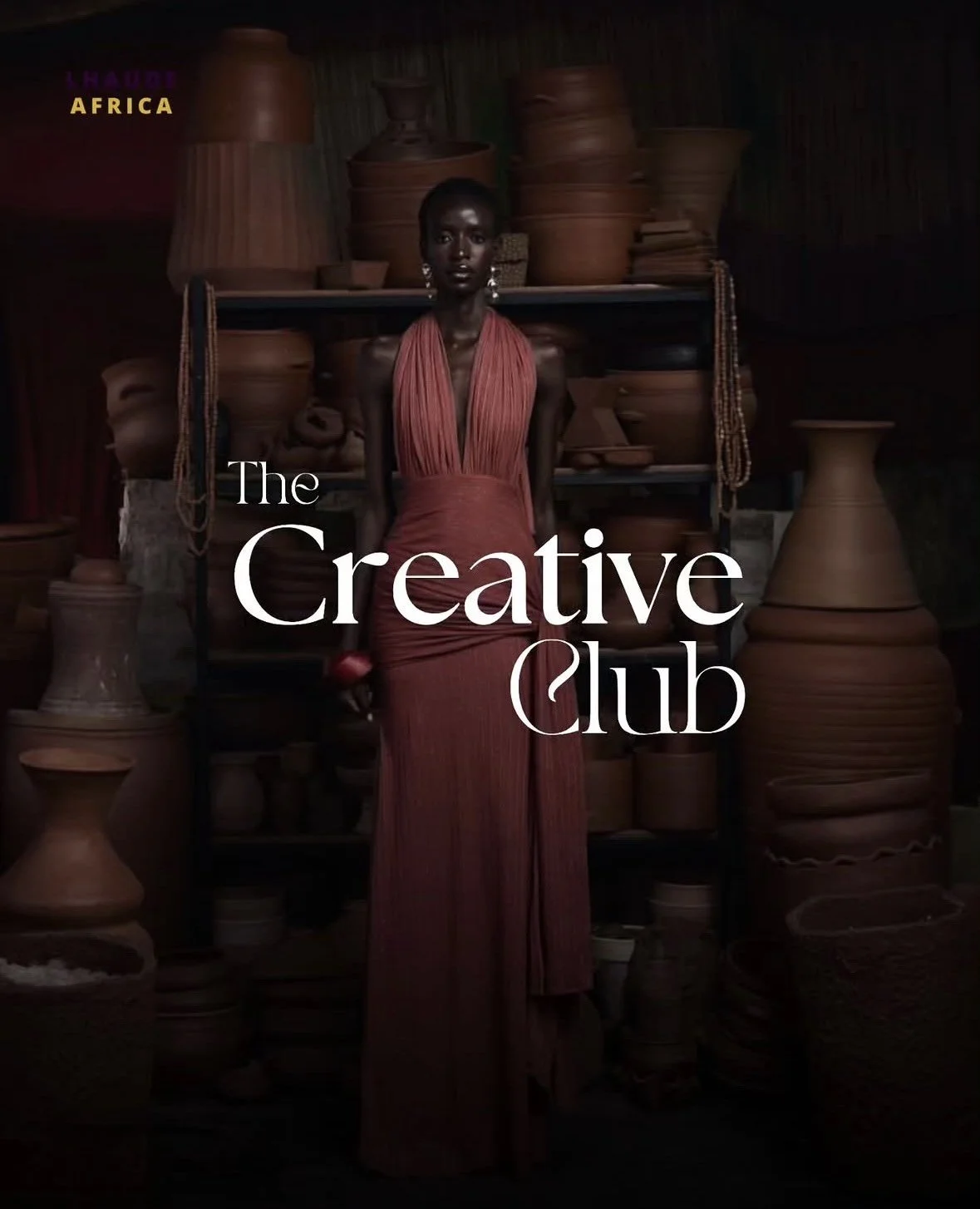
Lhaude Africa creative community: The Creative Club.
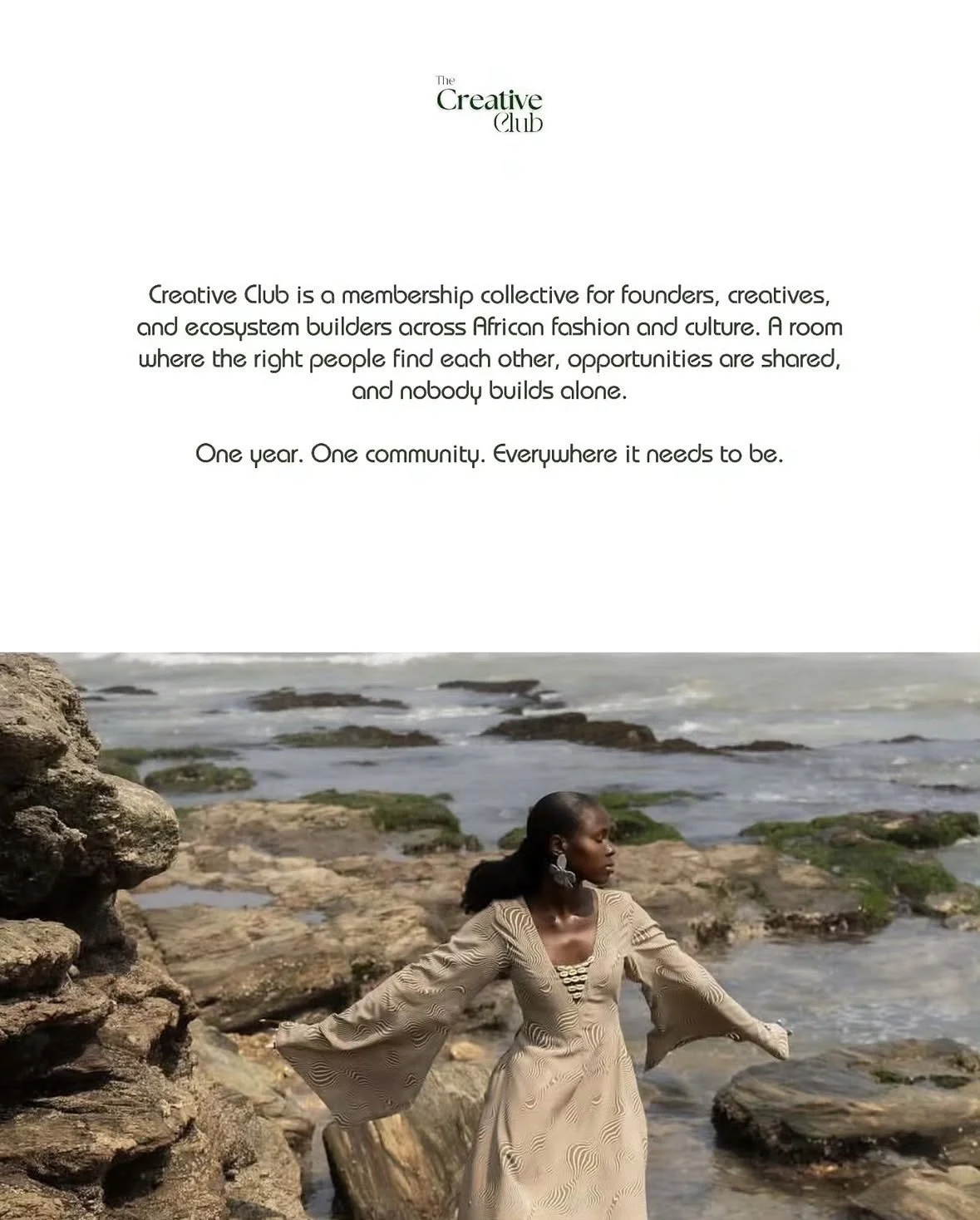
Lhaude Africa’s The Creative Club explained.
How has Lhaude evolved since you started it?
When Lhaude first started, it was very grassroots. Our focus was on emerging creatives and professionals: building community, creating access and responding to very immediate gaps.
What began as a grassroots platform has grown into something much more layered. Today we engage not only emerging creatives but also established brands, industry stakeholders and institutional partners. We're no longer operating at one level, but connecting emerging talent to more structured, global-facing opportunities.
There's also been a noticeable shift in reception. At first, a lot of what we were building was exploratory. Over time there's been much stronger recognition of the need for structure, for education and for more intentional ecosystem development, and more openness to collaboration across regions and sectors.
Geographically, the work has expanded beyond Nigeria into cities including Accra, Dakar, Cape Town, Nairobi, London, Paris and New York. That's allowed us to engage different markets, understand varied consumer behaviours and position African brands within a more global context.
Internally, we've become much clearer about why we exist, what we're building and how we position ourselves, not just as a platform but as an institution shaping how African creativity operates and connects globally.
What are you focusing on at the moment?
Deepening and strengthening the foundation of what we're building at Lhaude.
There's a significant project we're working on that speaks directly to our long-term vision as an institution. I can't share details just yet, but it represents an important step in how we scale our work and engage more meaningfully with the ecosystem. I'm looking forward to sharing more when the time is right.
Beyond that, we're expanding the reach of our trade and activation work, growing our presence across different regions and creating more opportunities for African brands to engage new markets and audiences. We're also being more intentional about how we intersect with the global fashion and cultural landscape, building stronger links with international hubs such as London so that African creativity is part of broader global conversations.
Is there any recent work you're most proud of?
I'm always proud of the work we do, but I'd highlight our recent activation in Dakar through the ROOTS platform.
What made it significant wasn't just the activation itself, but the continuity we were able to establish in that market. It moved beyond a one-off showcase into something more sustained, allowing us to engage directly with the ecosystem, understand consumer behaviour and begin to build longer-term pathways for the brands involved.
On a personal level, I've also been consulting on buying and partnerships for a luxury e-commerce platform launching in London. That's been especially meaningful, because it brings together curation, trade and global retail, positioning African brands within a more structured international context.
Both reflect the direction my work is moving in: building stronger bridges between African creativity and global markets, not just through visibility, but through intentional, commercially viable platforms.
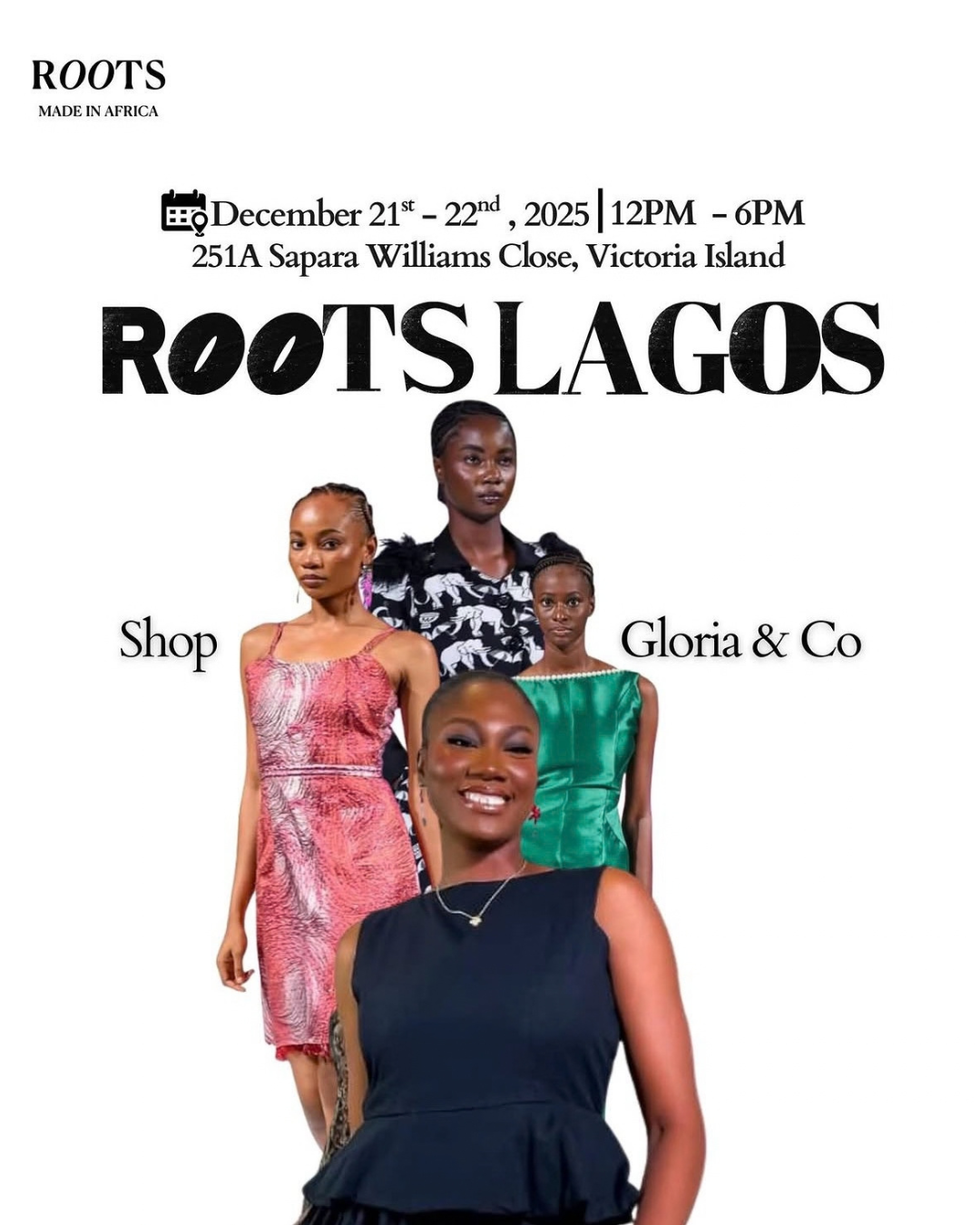
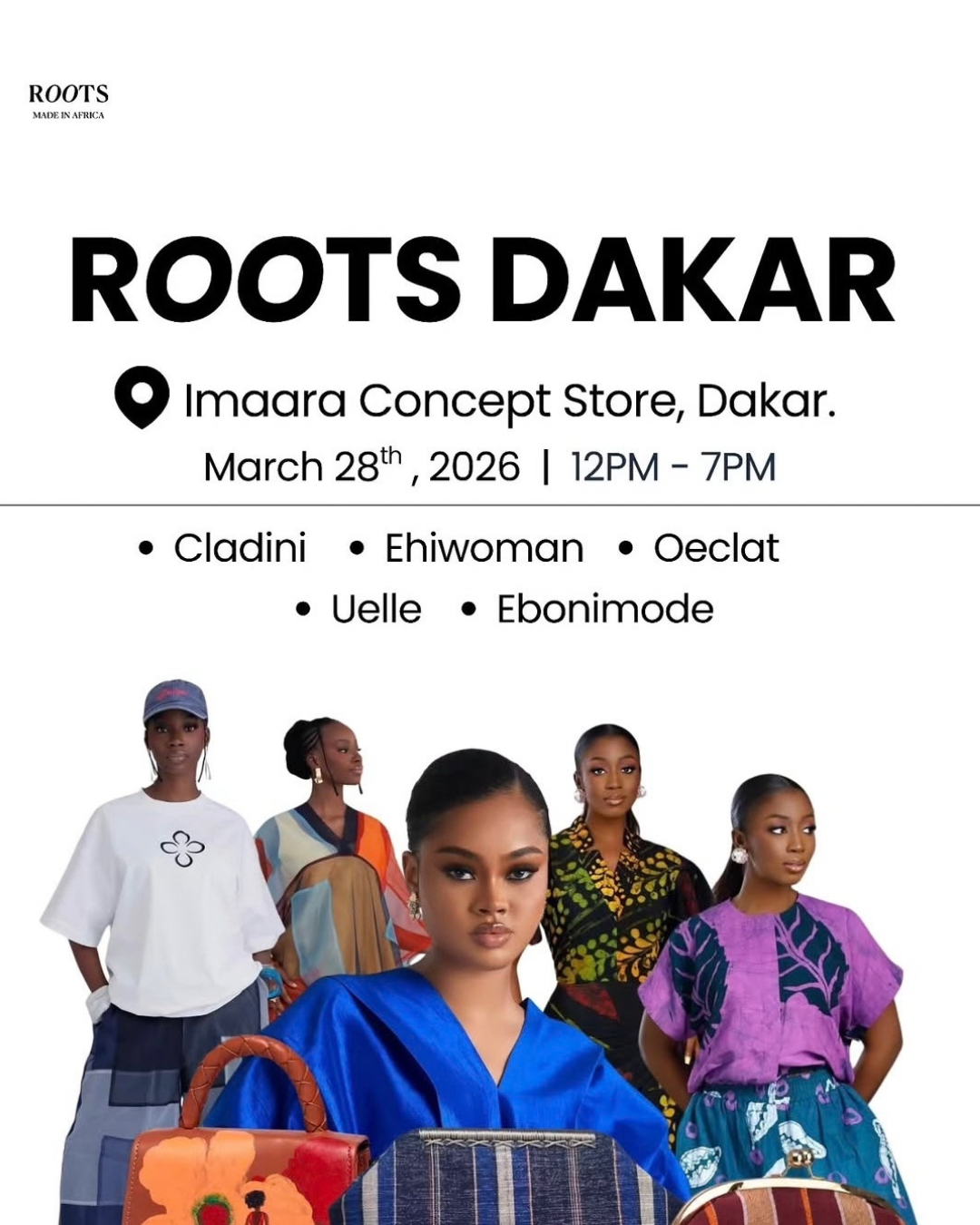
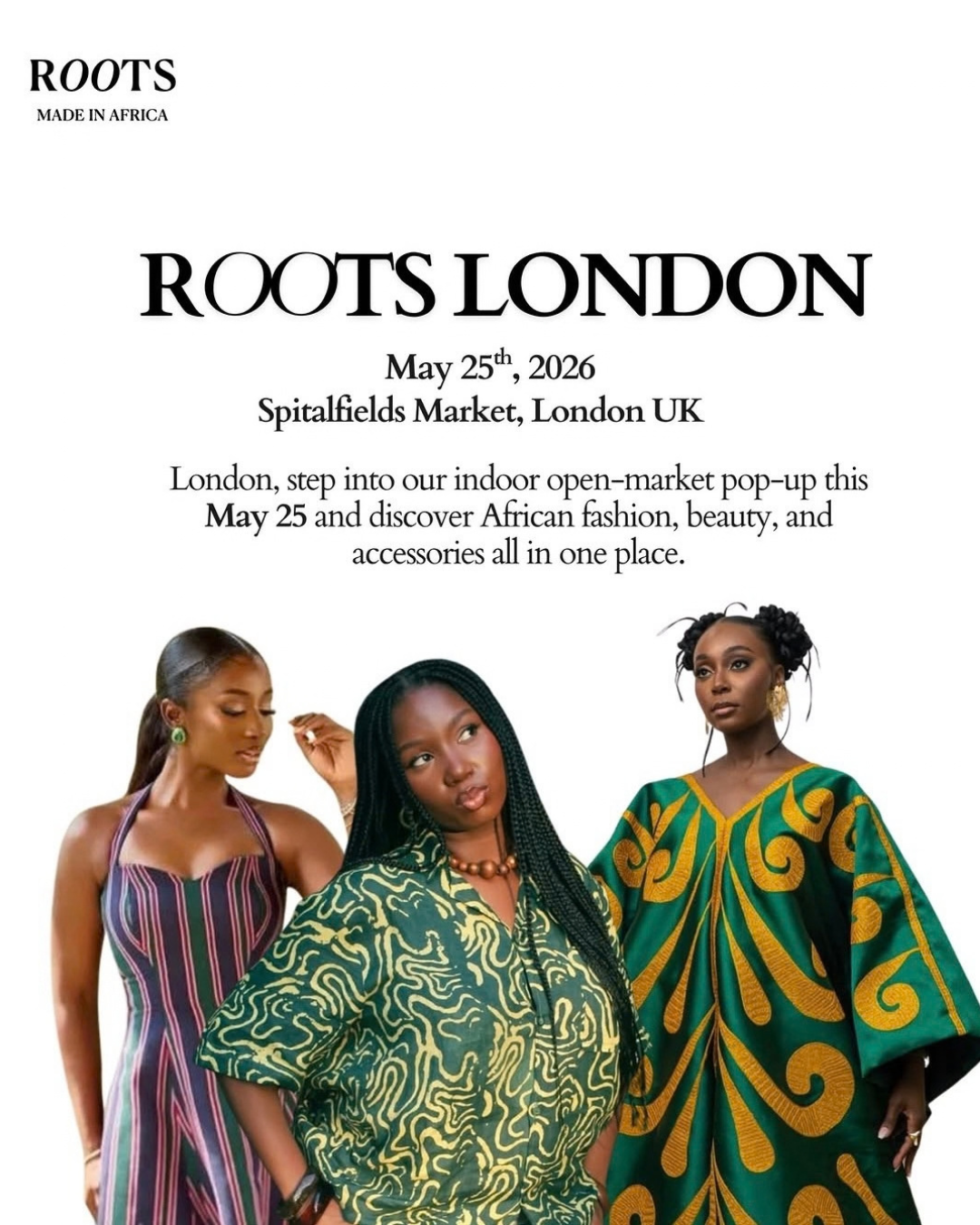
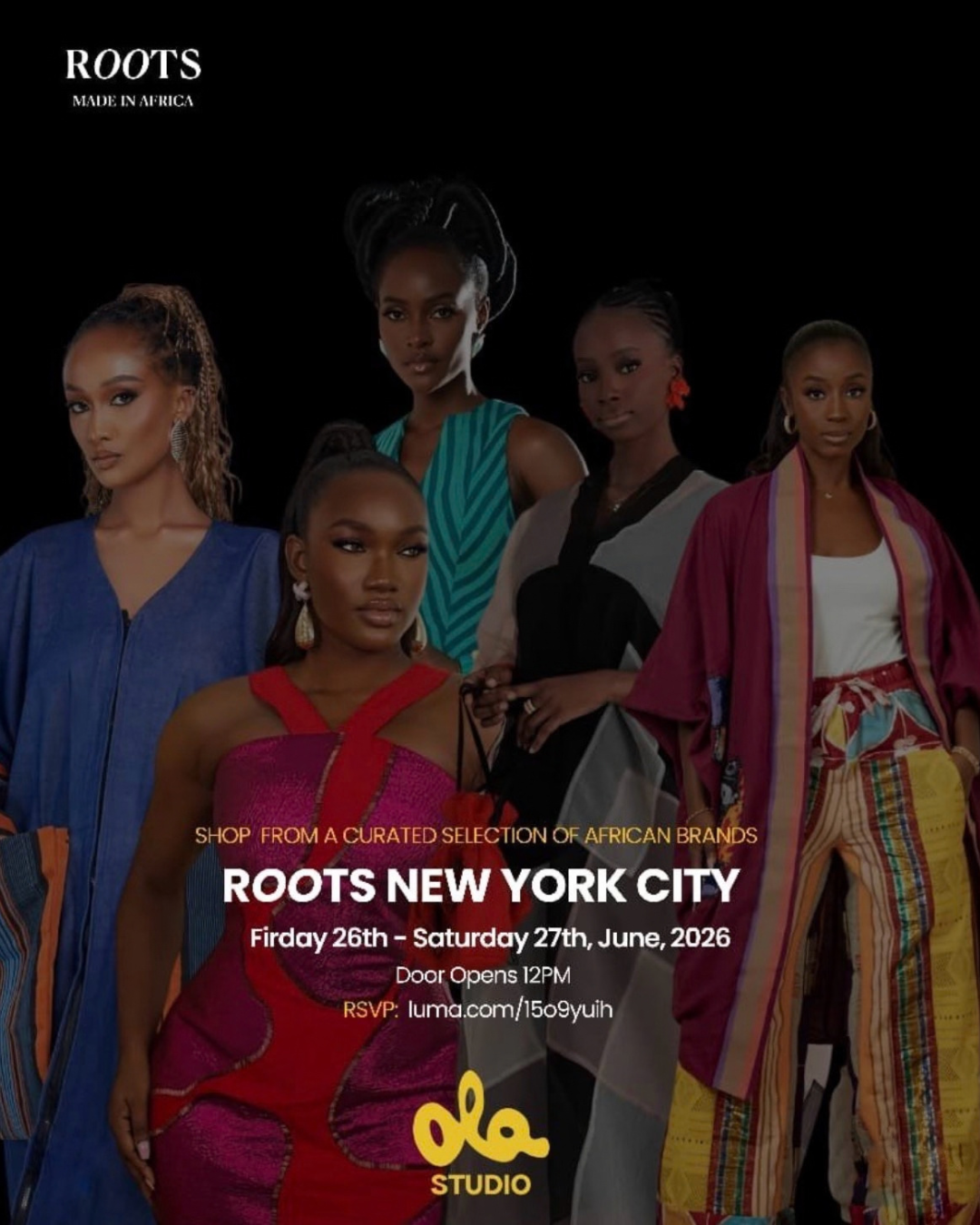
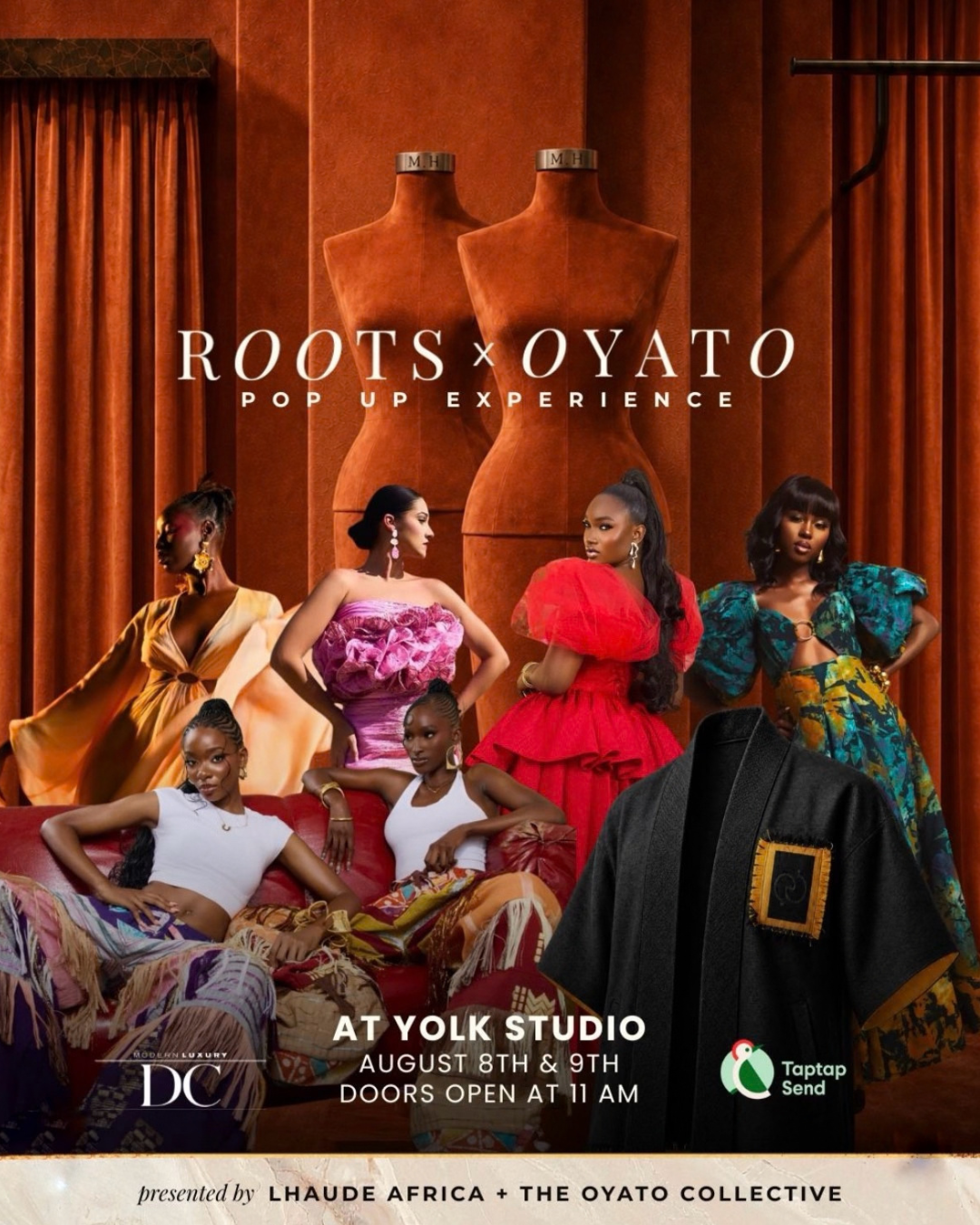
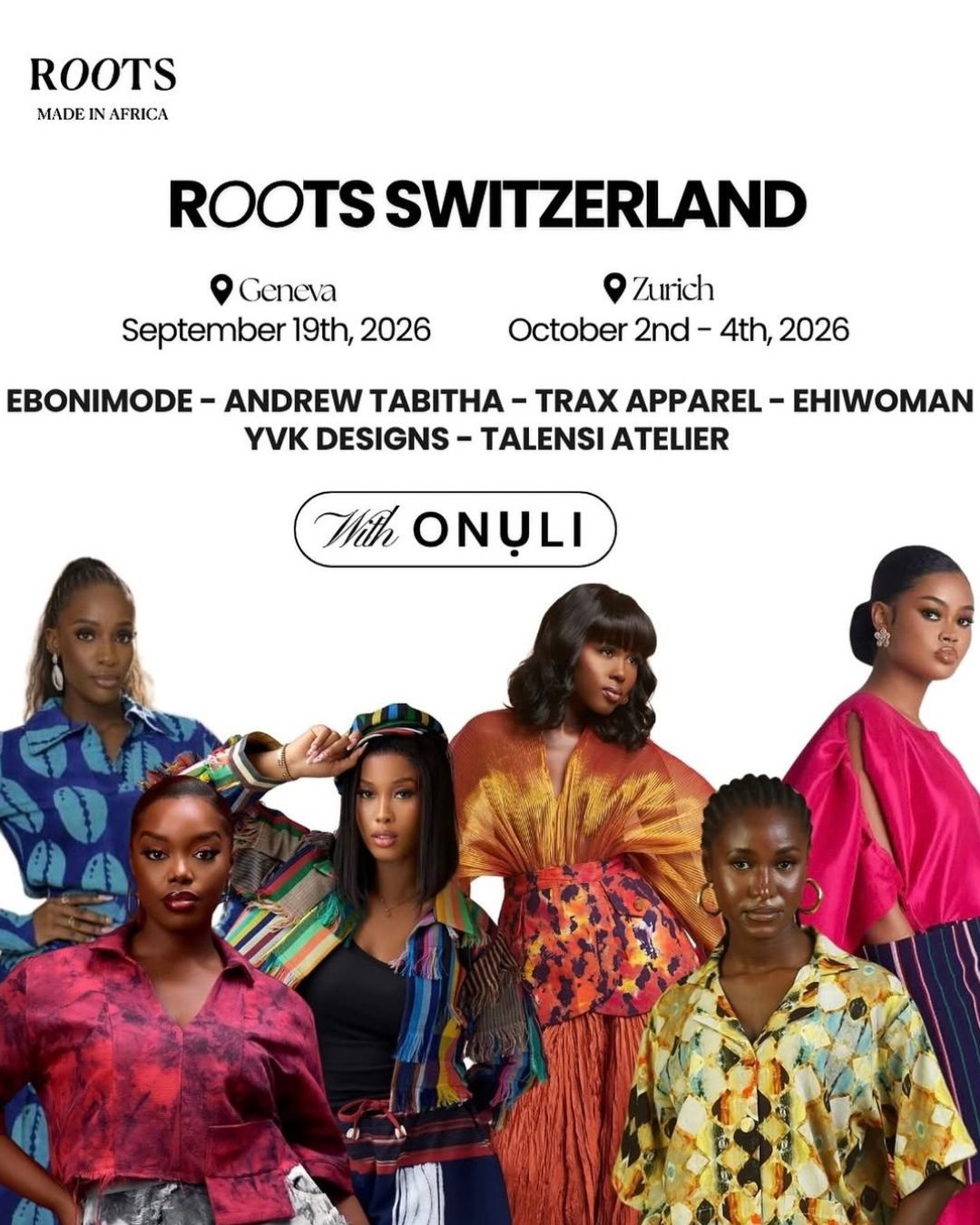
Examples of LHAUDE’s ROOTS retail events announcements
HER LESSONS
Trust, value and clear agreements in creative partnerships
For Rhoda Ogbeide, building across creatives, brands and institutions has meant learning to define and protect value through clear terms and early conversations.
What major challenges have you had to overcome that others in your space could learn from?
One of the biggest challenges I've had to navigate is trust and alignment.
When you're building something that sits across multiple layers, creatives, brands, institutions and markets, you quickly realise that not everyone operates with the same expectations, standards or understanding of partnership. That can lead to misalignment, gaps in communication and sometimes broken trust.
I've also had to navigate the tension between vision and capacity. There's often a clear vision for what needs to be built, but limited resources to execute at that scale immediately. Learning to hold that vision while working within present realities has been an ongoing process.
What's helped me is being intentional about structure: setting clear boundaries, defining expectations and building systems that guide how we work, even when things are still evolving. I've also learned the importance of patience and movement. Taking things step by step, allowing the work to grow, and trusting that pathways open when you are moving in the right direction. Not everything needs to be figured out at once, but progress is essential.
Consistency and clarity will take you further than trying to do everything at once.
“For a long time, the narrative has focused heavily on talent and visibility, but not enough on the systems that allow that talent to grow, scale and sustain itself. Through my work, I’m trying to shift that, from celebrating creativity to actually supporting it in a more intentional, long-term way.”
What's a recent lesson that changed the way you operate?
The importance of valuing what I bring and making sure that value is clearly defined and protected.
For a long time, I focused on the work itself: building, creating, delivering. But I've come to understand that if you don't place value on your own genius, the work and the people you collaborate with, the ecosystem won't either. How you position and protect your value sets the standard for how others engage with you.
That extends to how I approach partnerships. No matter how aligned or informal a relationship may seem, clarity is essential. Clear agreements, defined terms of engagement and proper structures aren't a lack of trust. They're a form of respect for the work and for everyone involved.
I've also learned the importance of addressing misalignment early. When boundaries are consistently crossed and left unaddressed, it only creates larger issues over time.
And a recent piece of advice that changed the way you operate?
Success is hard.
Not necessarily hard work in the traditional sense, but hard in the discipline it requires. "Hard" shows up in different ways at different stages. It can look like showing up consistently, even when you don't feel like it. It can be refining your voice, putting yourself out there, or committing to routines that don't always feel exciting but are necessary.
What changed for me is understanding that every new level of growth requires a different version of effort. The hard evolves. So instead of resisting it, I've learned to lean into it, to recognise that the discomfort, the repetition and the discipline are all part of the process of becoming.
A habit you're trying to build in your work?
More confidence, clarity and storytelling.
HER ENERGY
Fabric sourcing, small wins and quiet time
Rhoda Ogbeide draws her energy from the people and cultures she meets through her work, from designing solutions and from her faith.
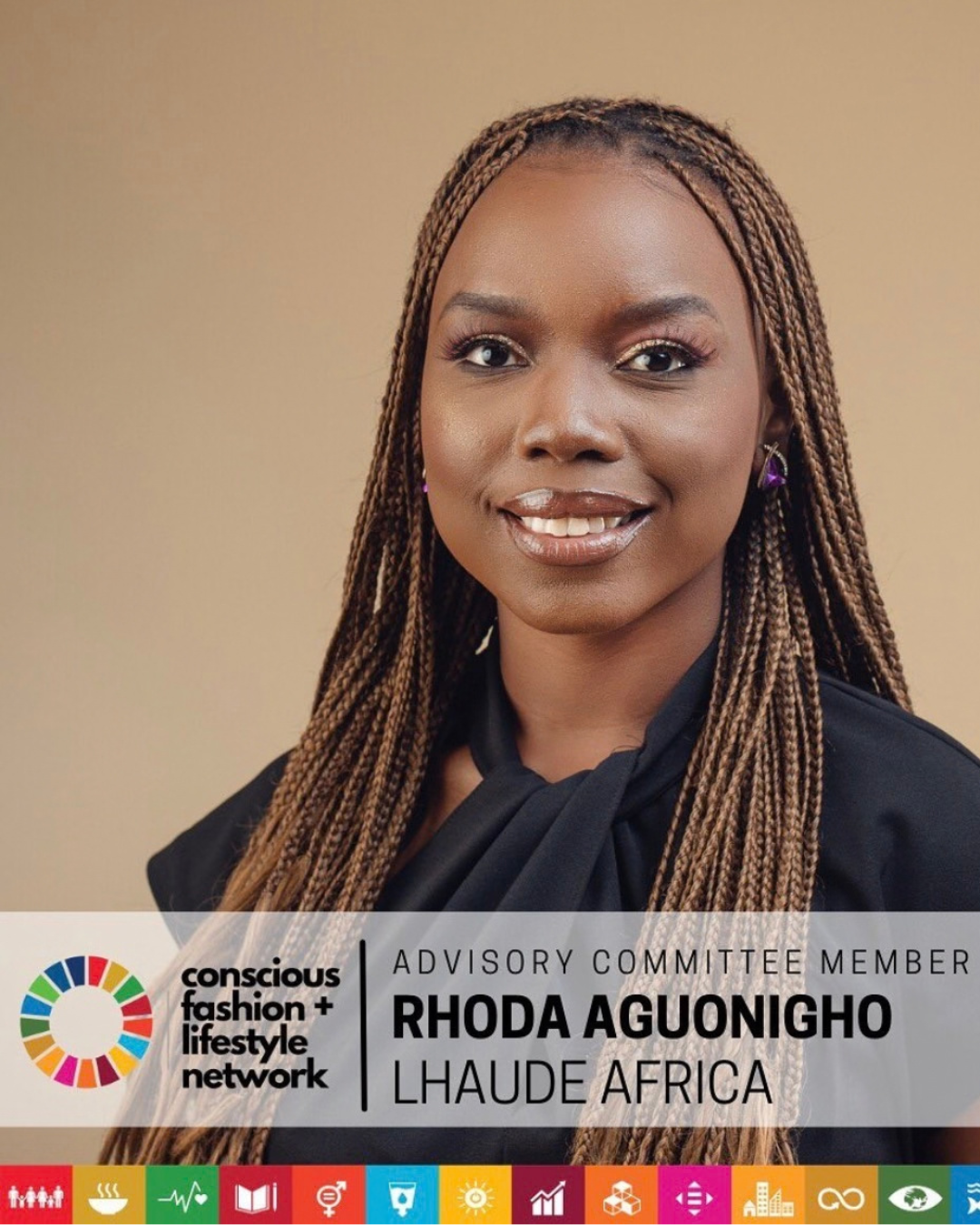
Rhoda Ogbeide, founder of Lhaude Africa and advisory committee member of the United Nation Fashion and Lifestyle Network
What do you enjoy the most in your work?
The people, their creativity and the culture. I've been to different cities and different cultures, and it's all so beautiful and exciting. There's a lot to take in, and I really enjoy it. I also enjoy designing solutions and ideas and seeing them come to life.
What keeps you going?
Vision and purpose.
How do you stay inspired?
Travel, meditation, a lot of exposure and learning.
Where do you find sanctuary in challenging times?
The word of God and the presence of God.
A motto you live by?
"All things always work together for my good because I love God and I am called according to his purpose." Romans 8:28
An affirmation that keeps you going?
Honestly, it's all the word of God. Scripture upon scripture blesses and strengthens my soul all the time.
HER COMMUNITY
Why community is part of the work
Rhoda Ogbeide belongs to several communities, from the creative industry to women entrepreneurs and faith groups, and she builds them too.
Do you see yourself as part of a community?
You can't do life alone, and you don't want to. There's so much you don't know and so much to learn, and you learn from people: from their experiences, their successes and their losses.
I'm part of a multitude of communities and I love them, whether it's the creative community, community builders or women entrepreneurs outside the creative industry. I'm also a builder of community. Communities give you strength, inspiration and motivation. They give you accountability, they remind you that you're doing well, and sometimes they carry you when you're tired and weak. Communities are a blessing, spiritual communities too. They take you into places you probably wouldn't be able to reach by yourself.
“There’s something very distinct about how African fashion operates, from production to storytelling to community, and I believe there’s an opportunity not just to participate in global systems, but to shape and influence them through our institutions, not only brands.”
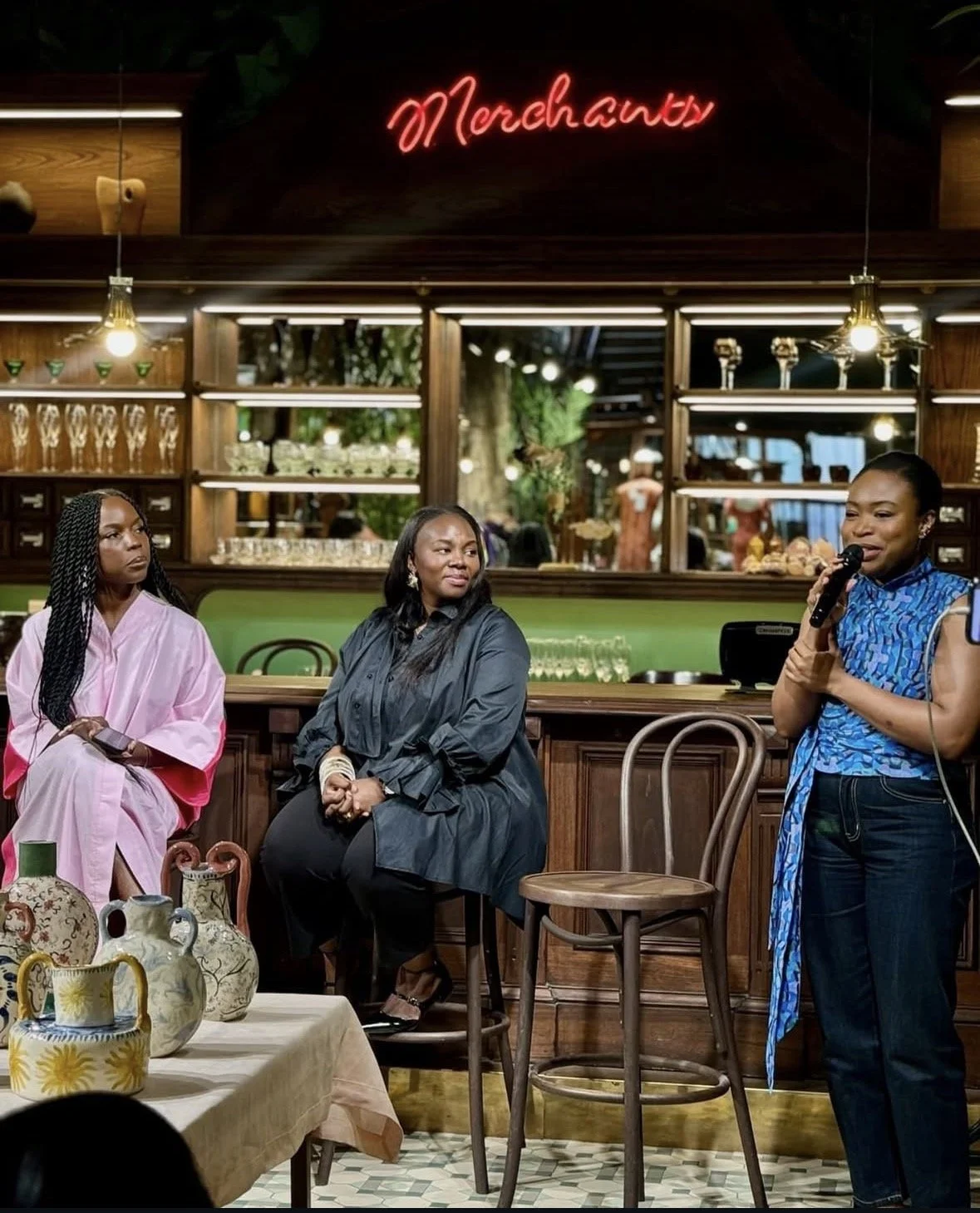
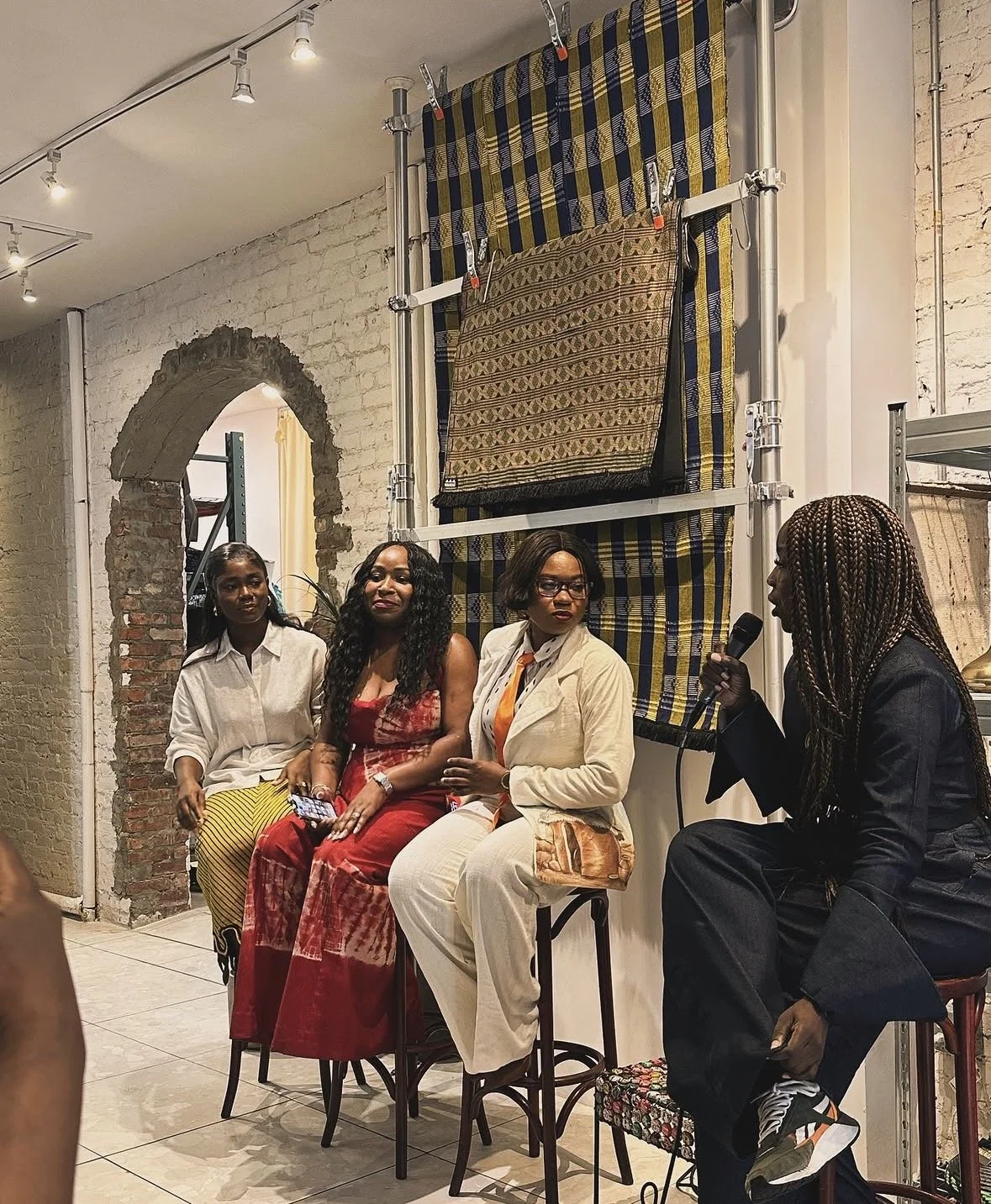
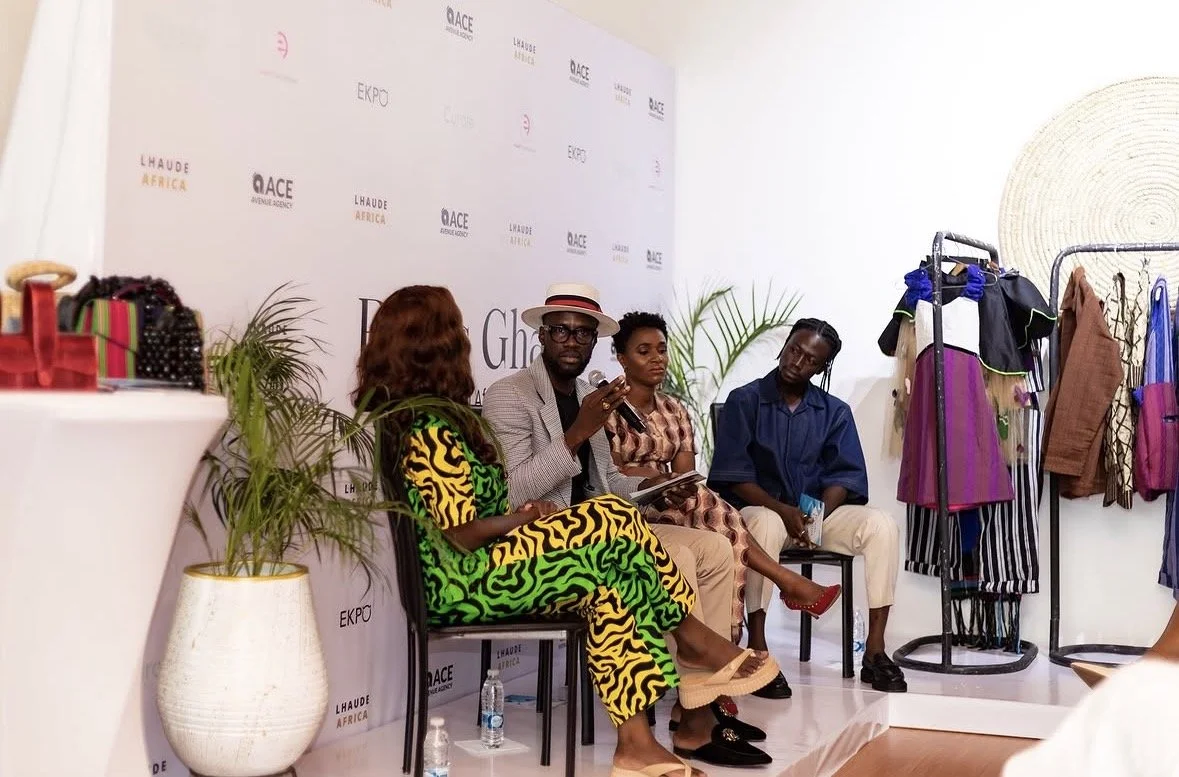
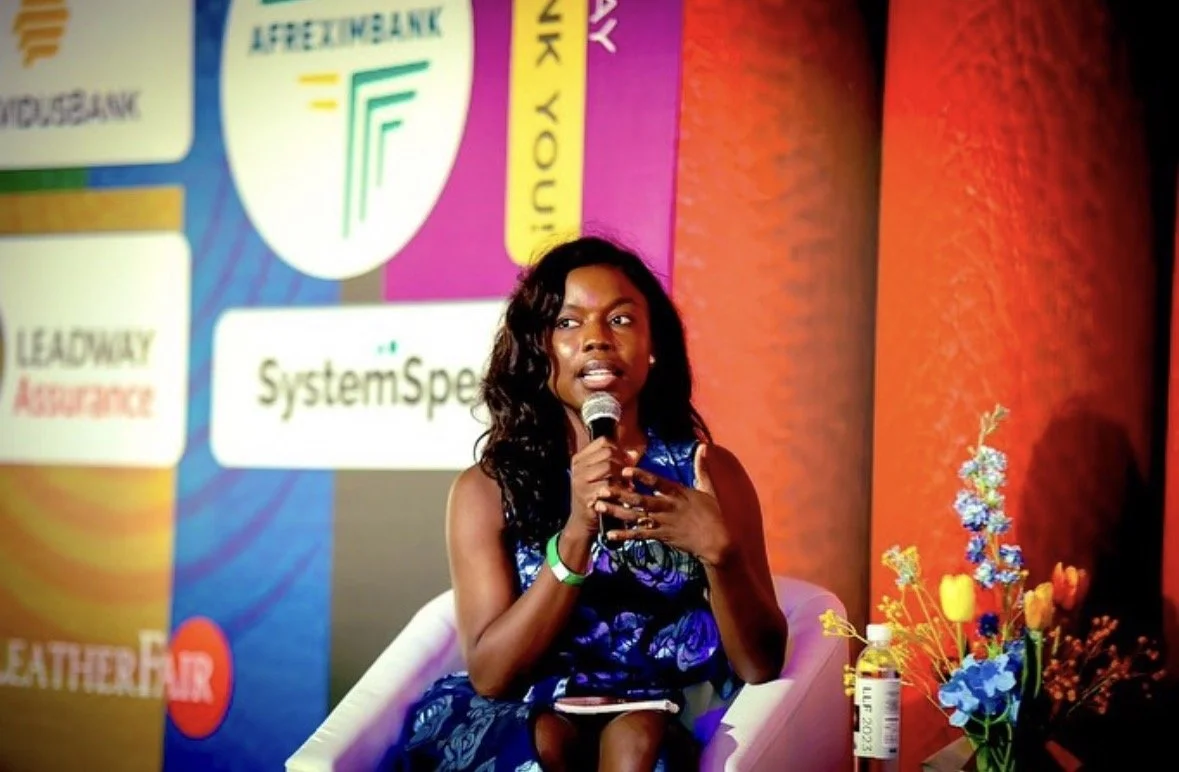
Rhoda Ogbeide in different speaking engagements from Cape Town and New-York to Accra and Lagos
HER PERSPECTIVE
Trade platforms, institutions and the road to global markets
Rhoda Ogbeide argues that African fashion can influence global systems through its own institutions, trade platforms and ways of working, and not through its brands alone.
Any industry topics you've been digging into lately?
Institutions, new gen trade models and buying culture.
What challenges and opportunities do you see in the global African fashion ecosystem right now?
I think we're at a point where the opportunities are very clear. There's growing global visibility and demand for African fashion, and cultural influence is at an all-time high. But beyond that, I see a strong opportunity for African fashion to truly own its narrative and its place within the global fashion and cultural industry, not just through aesthetics or craft, but through our processes, our systems and how we create, tell stories and engage in trade.
There's something very distinct about how African fashion operates, from production to storytelling to community, and I believe there's an opportunity not just to participate in global systems, but to shape and influence them through our institutions, not only brands.
On the challenge side, many of the structural gaps still exist. Access to investment, infrastructure and standardised systems remains a barrier for many brands trying to scale.
There's also the question of connection. While the industry is more visible and seemingly more connected than before, there's still a level of fragmentation. There's room for deeper, more intentional collaboration across regions and stakeholders, especially collaboration that's commercially viable, value-driven and designed for long-term growth rather than short-term visibility.
What avenues could better bridge the gap between independent designers and global audiences?
For a long time, the focus has been on showcasing African designers to global audiences through fashion weeks, exhibitions or pop-ups. While those are important, they're often momentary. What's needed now are more sustained pathways that connect local creatives to international markets in a consistent and commercially viable way.
One key avenue is strengthening trade platforms, spaces where designers aren't just seen but are able to sell, build relationships and understand how different markets operate. That includes more intentional retail partnerships, showrooms and buying platforms aligned with how African brands actually produce and scale.
Another is capacity development. Designers need access to knowledge around pricing, production, logistics and global market expectations, not to conform, but to be able to navigate and negotiate those systems from a position of strength.
There's also a need for more ecosystem-level collaboration. Bridging the gap can't sit on individual designers alone. It requires alignment between institutions, platforms, buyers and cultural stakeholders across regions. This is where co-connection becomes important: creating intentional links between people, systems and opportunities so that the movement between local and global is more seamless.
Ultimately, the goal is to move from one-off exposure to long-term integration, where African designers aren't just entering global markets but are able to sustain, grow and influence within them.
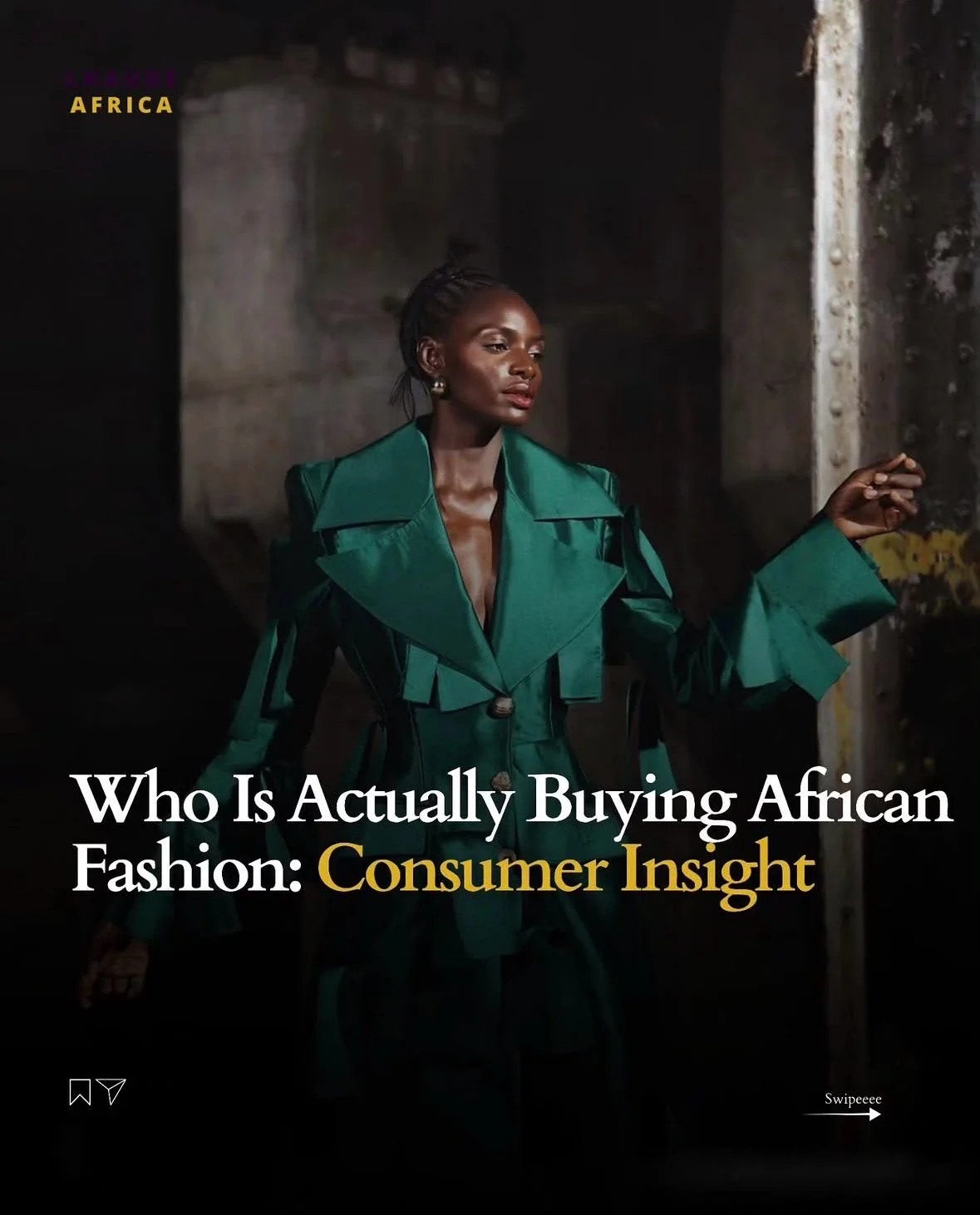
Lhaude Africa insights.
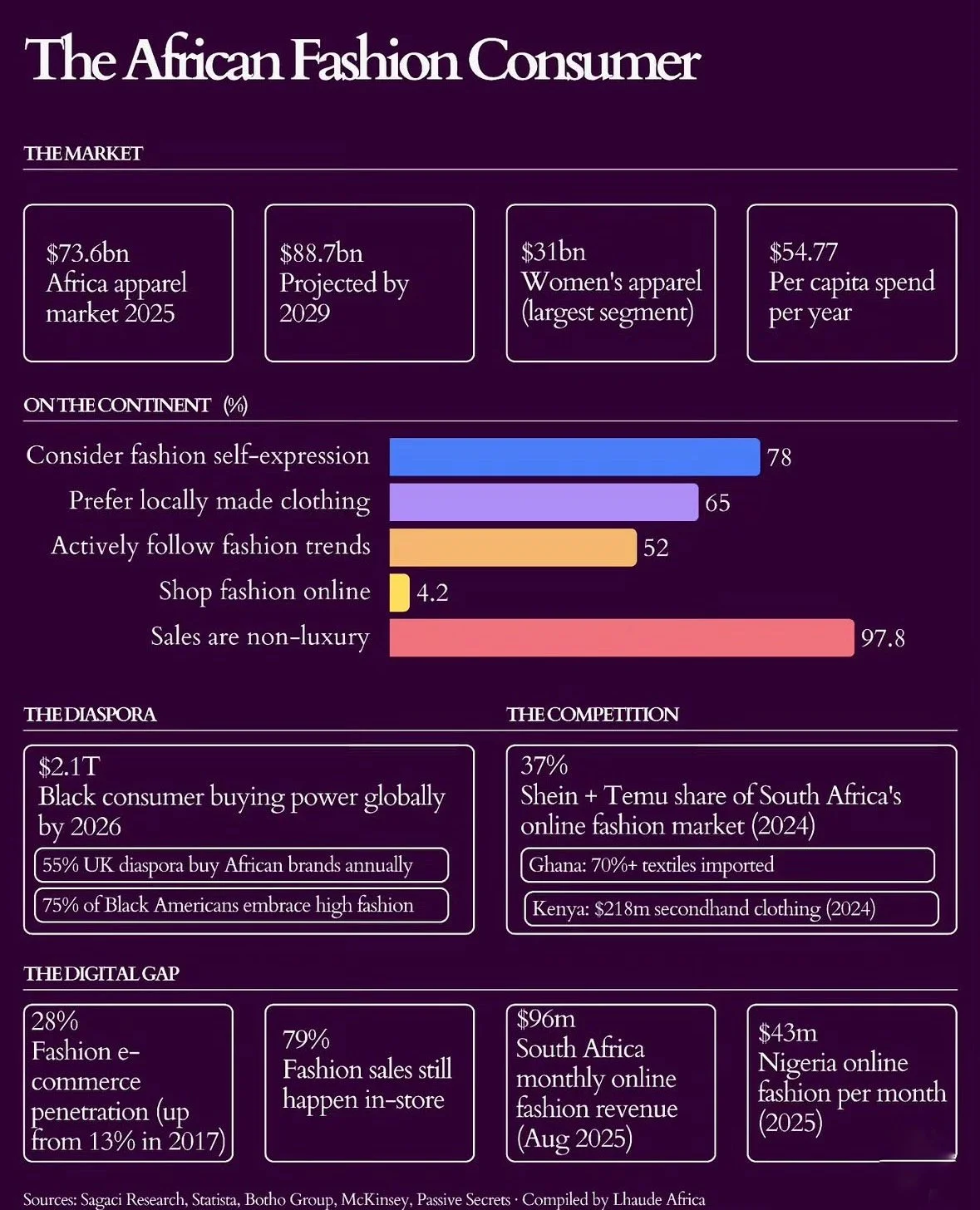
Lhaude Africa insights.
ON HER RADAR
Building spaces that feel real
Right now, Rhoda Ogbeide is thinking about how the right environment changes the way people work, create and show up.
What are you curious about at the moment?
Right now, I'm really curious about spaces. Not just physical spaces, but the kind of environments where people can truly exist, build, create and just be. Spaces that feel real, not performative. Spaces where there's room for vulnerability, growth and ease.
I think a lot about what it means to create environments where different kinds of people can coexist, builders, creatives, thinkers and even those still figuring things out, without pressure or pretence. There's something really interesting to me about how the right space can shape how people show up, what they create and who they become.
So yes, I've been thinking a lot about spaces, and what it looks like to build them well.
What fashion event or news has got you excited recently?
I really like the latest collections from Hertunba and Rendoll.
“There’s also a need for more ecosystem-level collaboration. Bridging the gap can’t sit on individual designers alone. It requires alignment between institutions, platforms, buyers and cultural stakeholders across regions.”
HER STYLE
Barrel jeans, mesh dresses and the labels she works with
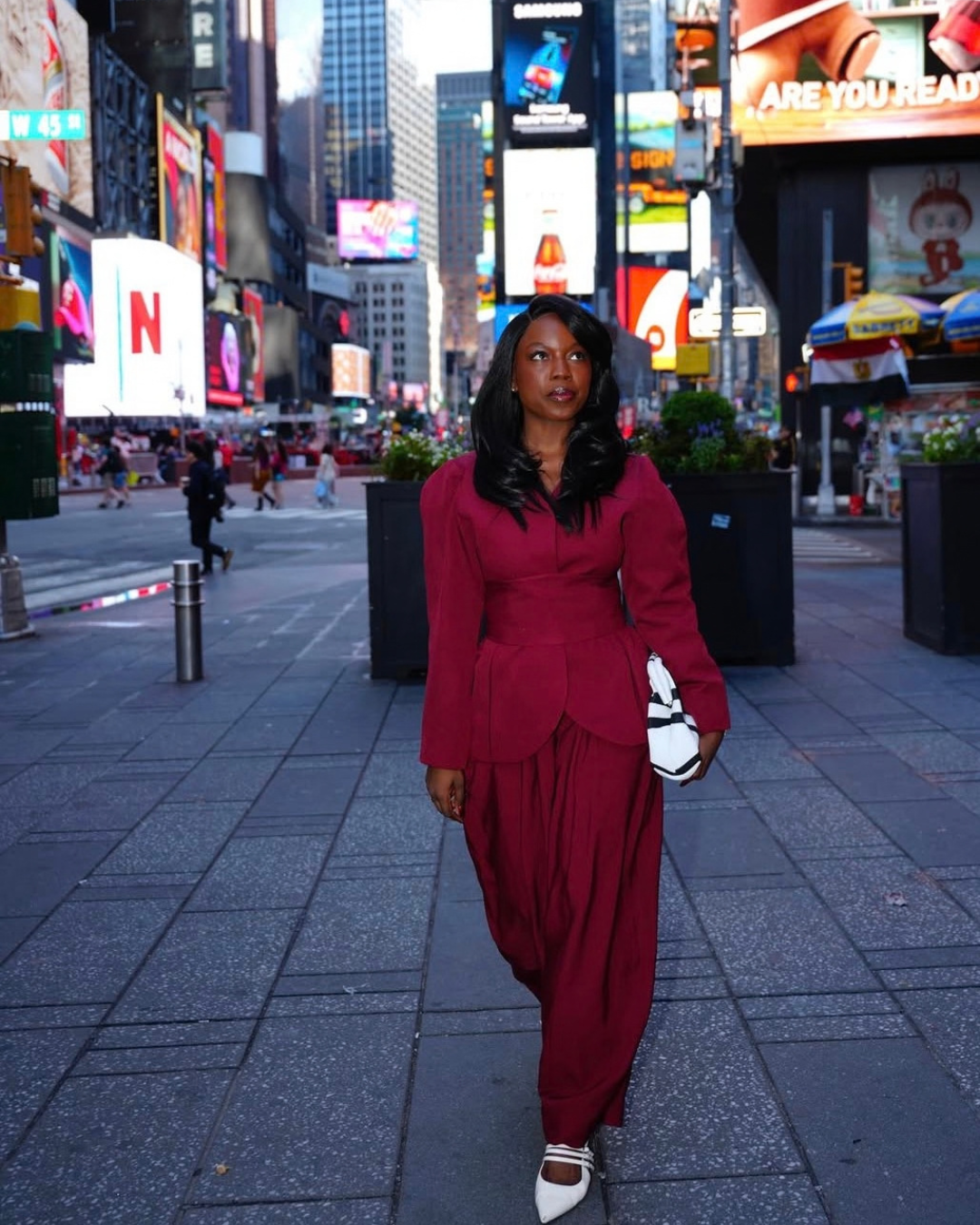
Rhoda Ogbeide's wardrobe runs on relaxed denim and tailored trousers and her favourite labels include Rendoll, Trax Apparel and Christie Brown.
Baboa Tachie-Menson wearing her label Ono’s open back vest in off-white and linen pants in lime green
Your wardrobe essentials?
I love a good pair of jeans, especially barrel or loose-fit styles, as well as well-tailored, relaxed trousers. Those are my everyday staples, usually paired with a simple top or a clean T-shirt. For evenings, I've been gravitating towards mesh dresses. They're effortless, a bit elevated and easy to style for dinners or outings. For work, it's mostly structured trousers and shirts: clean, intentional and comfortable.
Where do you discover African and diaspora brands?
Because I work with brands, I see them all the time. I don't have one destination. It's our network, and Instagram.
Some of your favourite African and diaspora brands?
I work with a lot of brands, so this is a bit tricky. I really like the quality of what we have coming out of the continent and the diaspora. I like Rendoll's take on femininity and the softness around it. I like Trax Apparel, it's quite bold, and its interpretation of aso-oke. I like a lot of clean casual brands too. And I like Christie Brown.
THE EXPERT EDIT, INSPIRED BY HER
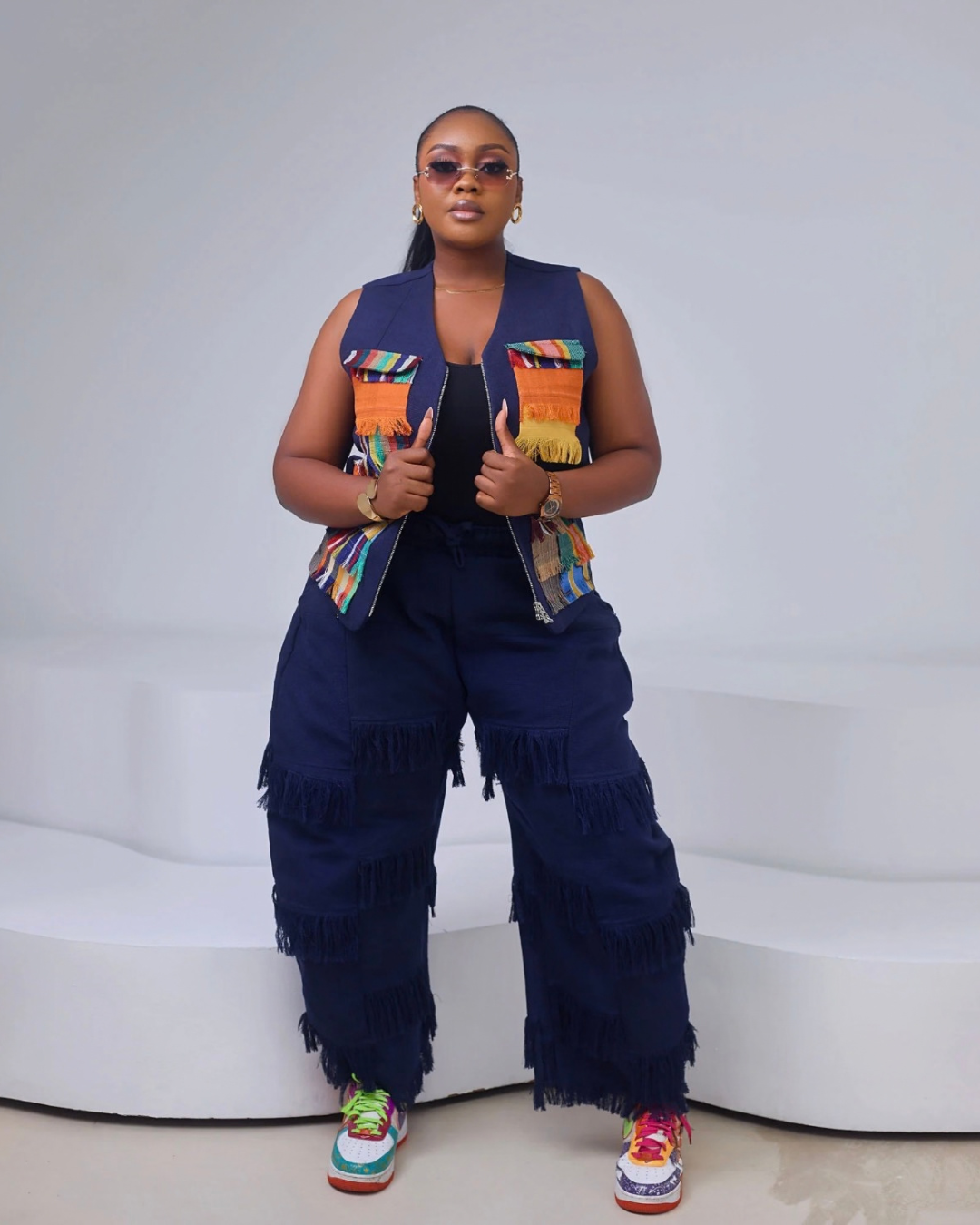
TRAX APPAREL Sleeveless Aso Oke Jacket x Fringe Pants
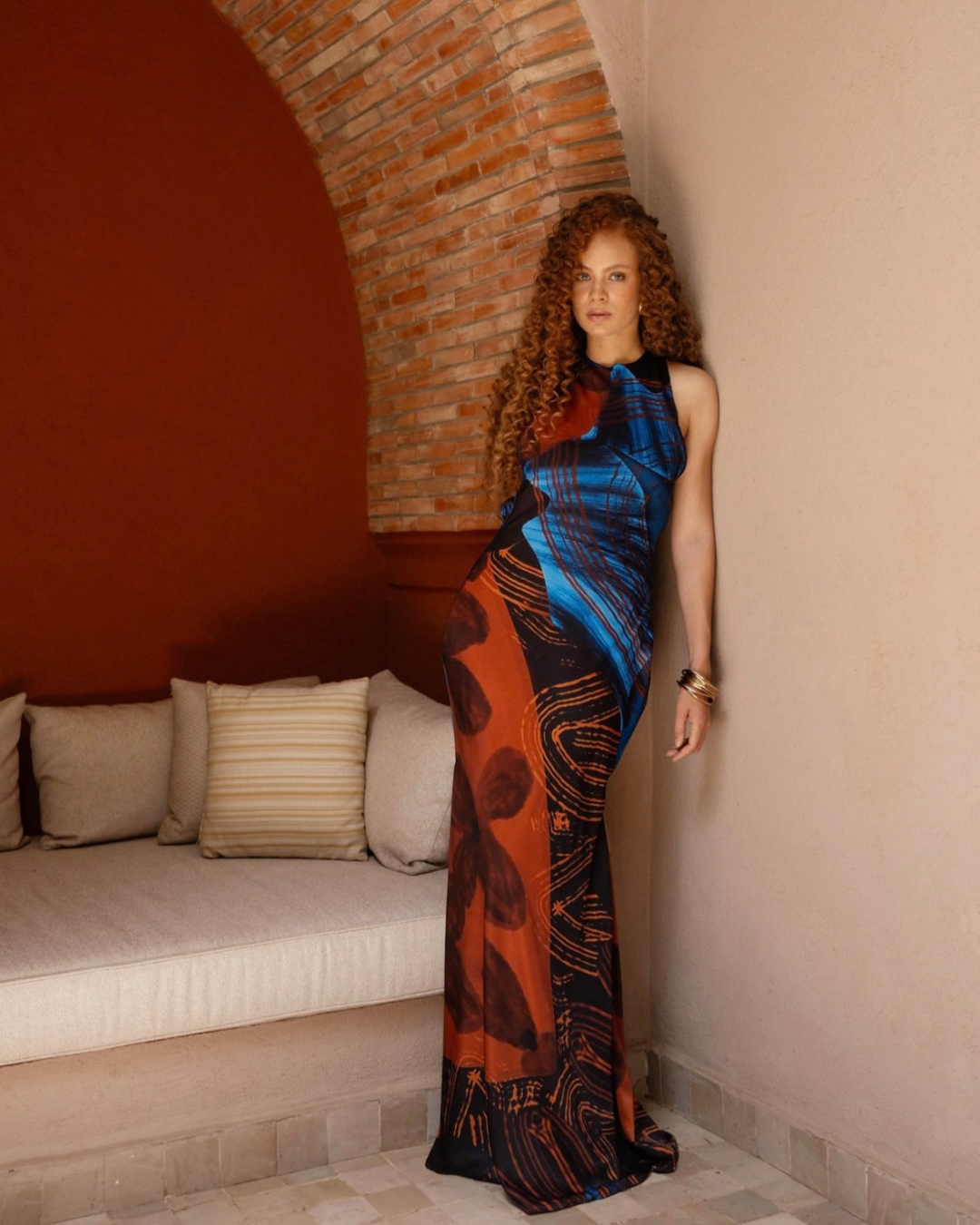
RENDOLL Yara Maxi Dress
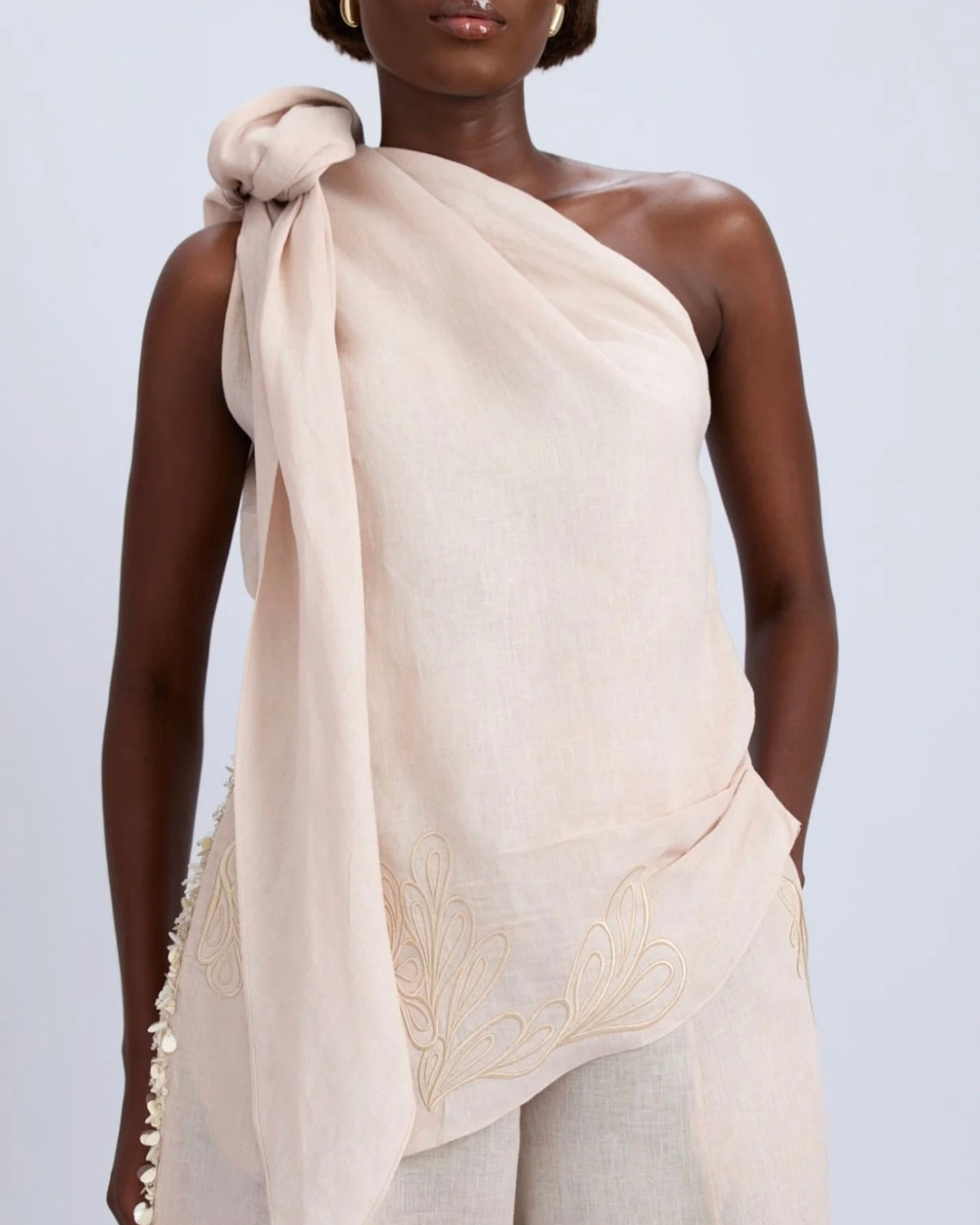
CHRISTIE BROWN Aria Top
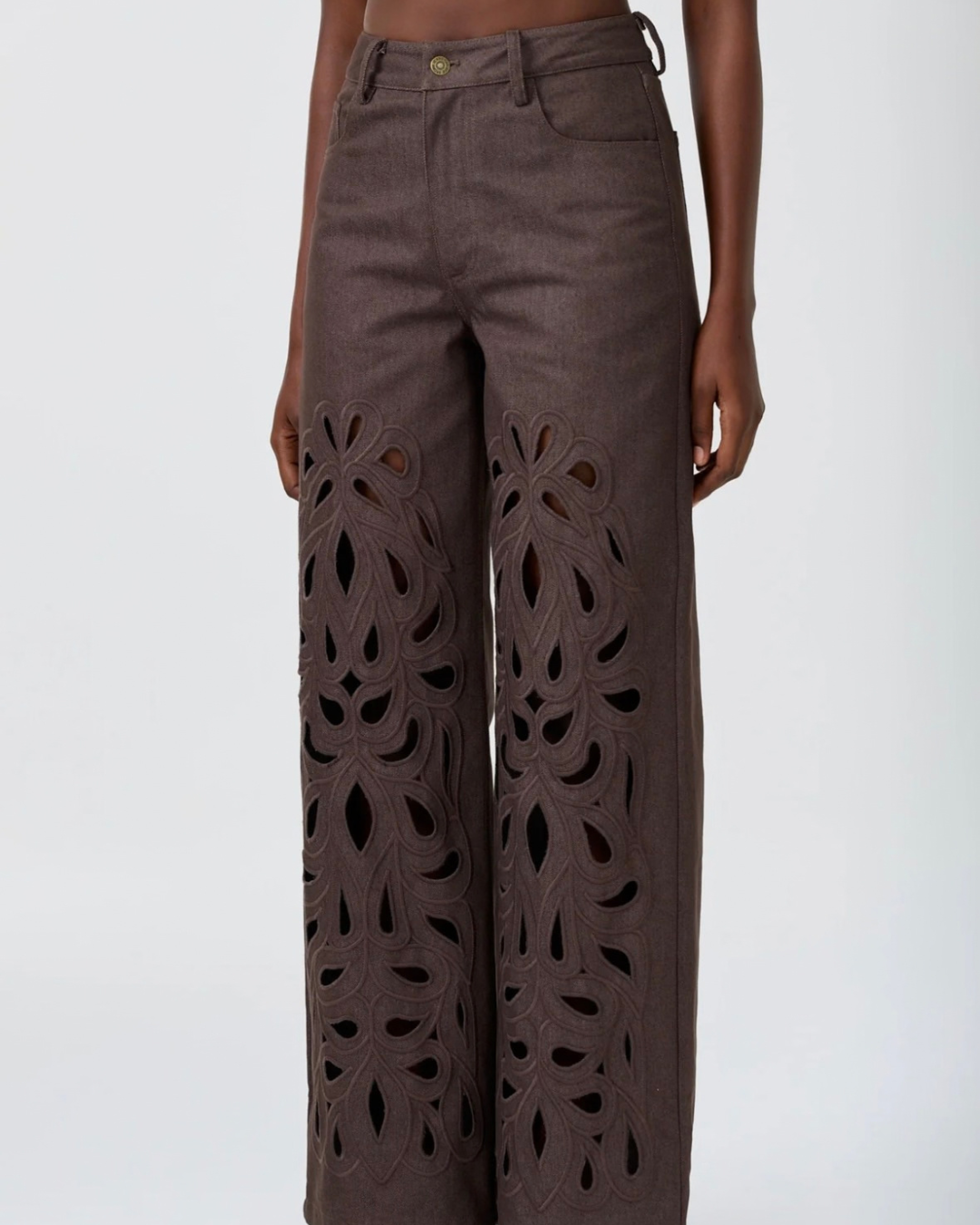
CHRISTIE BROWN Ayo Chocolate Pants
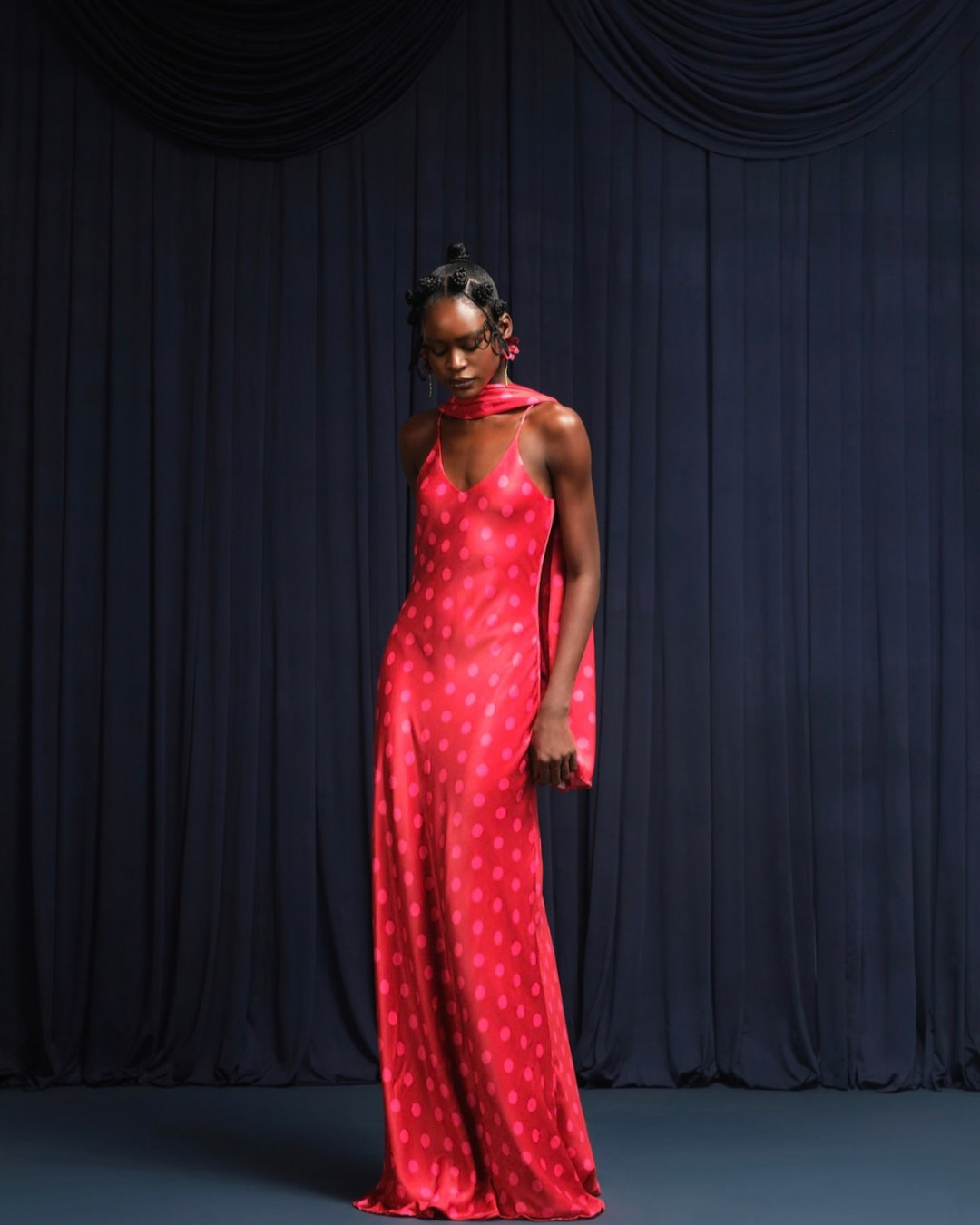
RENDOLL Nymeriah Dress
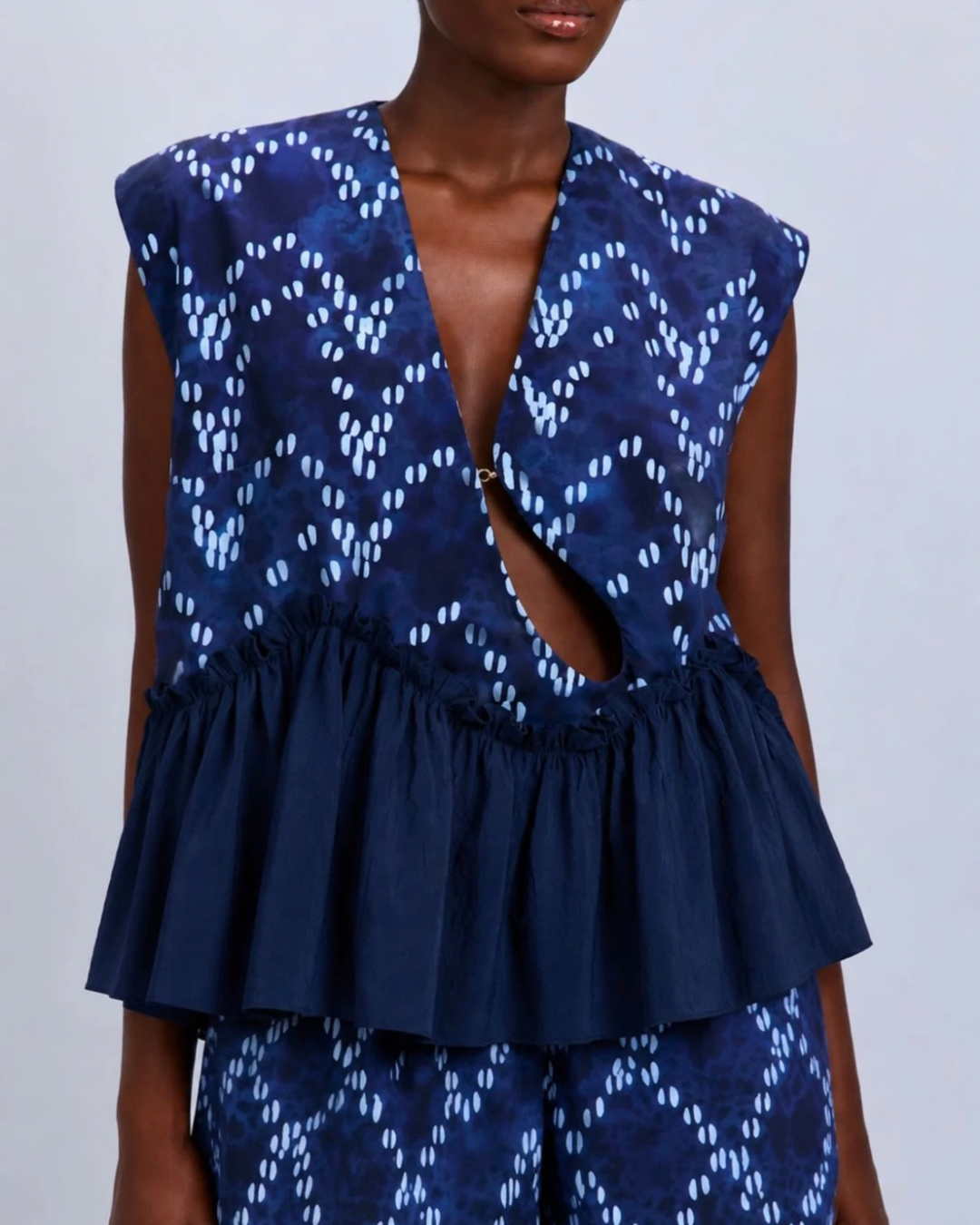
CHRISTIE BROWN Ember x Azure Set
Rhoda Ogbeide designs connection with the care put into a collection or a trade show. Co-connection, as she describes it, asks who is being linked to whom and on what terms. It's slower work than a showcase, and it's built to outlast one.
Follow Rhoda on Instagram at @rhodaaogbeide and Lhaude Africa at @lhaudeafrica, or visit lhaudeafrica.com.
CURATORS is NDAANE's portrait series of experts laying the groundwork for an inclusive, sustainable and collaborative fashion industry. Operators, strategists, researchers, archivists, founders, storytellers: people building ecosystems, documenting histories and imagining new structures for the industry, with Africa in mind. For more on the institutions taking shape on the continent, read our portrait of Adaeze Oguzie, and for another view on building lasting routes for brands beyond visibility, our portrait of Koura-Rosy Kane.
Subscribe to the NDAANE newsletter to receive every new portrait.