
Making Room for Others: Paloma Duran on PR, African Fashion and the Art of Authentic Storytelling
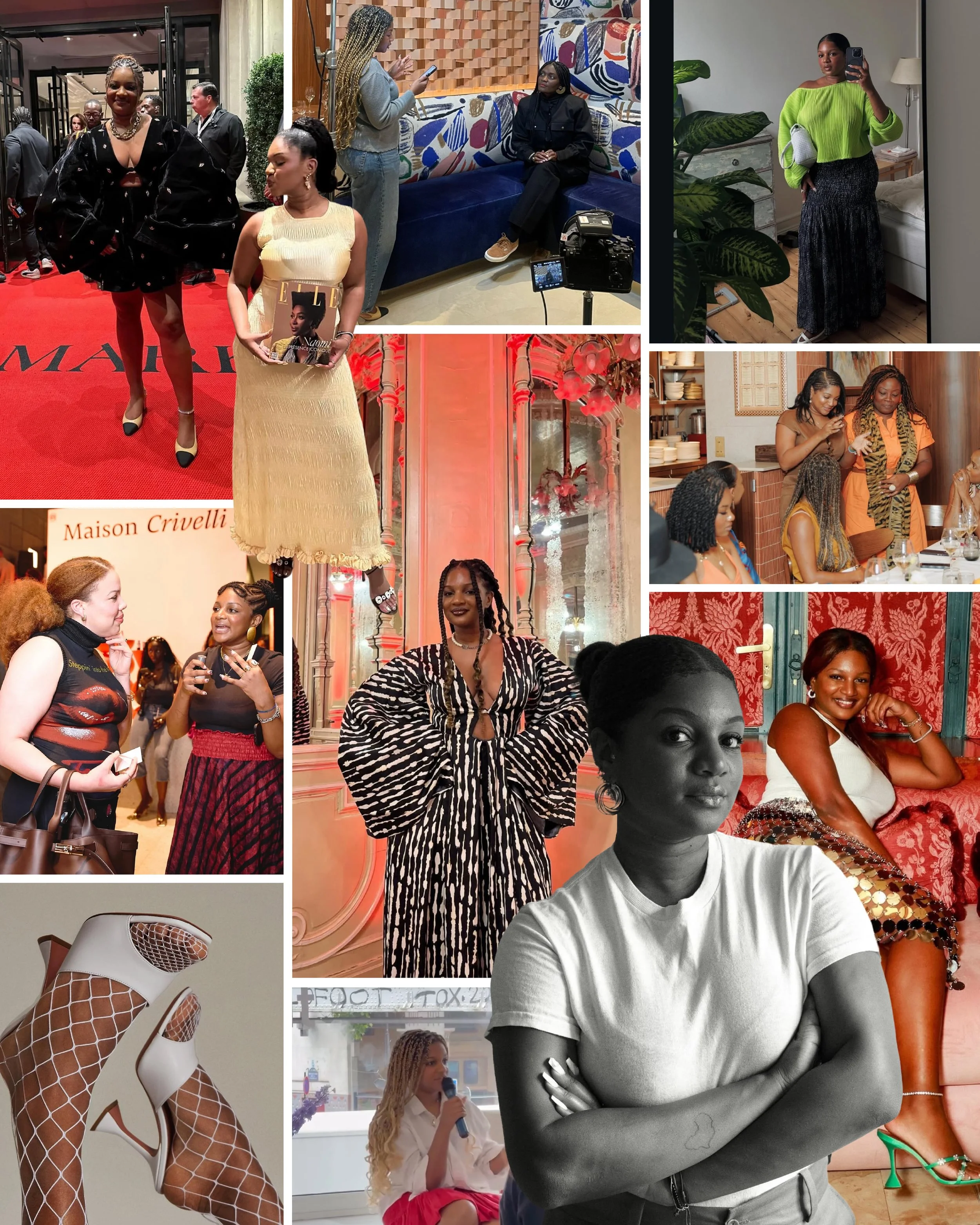
PALOMA
DURAN
“ I help brands and creatives shape narratives that are authentic, culturally grounded, and impactful across different markets. What truly drives me is my love for creating communities, gathering people together, connecting worlds, and building bridges between cultures.”
Paloma Duran builds bridges. A PR & Brand Awareness consultant working at the intersection of fashion, culture, and global storytelling, she has built her practice helping brands and creatives find their footing in markets that weren't always built with them in mind. Whether she's connecting African talent with international audiences or shaping narratives for cultural initiatives, her work is grounded in one conviction: visibility is not just about exposure, it's about belonging. Recently appointed PR, Culture and Events Director for the newly launched ELLE Afrique Francophone, she brings that conviction with her. In this portrait, she reflects on navigating the French fashion and luxury industries, learning to claim her worth, and why, for her, the most powerful thing someone can do is make room for others.
HER CRAFT
Building a PR practice at the intersection of African fashion, culture, and global storytelling
Could you tell us what you do and why you are passionate about it?
I'm a PR and brand awareness consultant working at the intersection of fashion, culture, and global storytelling. Through my work, I help brands and creatives shape narratives that are authentic, culturally grounded, and impactful across different markets. What truly drives me is my love for creating communities, gathering people together, connecting worlds, and building bridges between cultures.
Having grown up between different countries and perspectives, I'm passionate about using communication as a tool to foster meaningful connections and lasting relationships. For me, visibility is not just about exposure, it's about belonging.
How has your work evolved since you started?
I previously worked with major brands and corporations in France, where my individual impact often felt limited at scale. I was frequently reduced to being a Black woman in a French company, seen through a Western lens. Over time, I had the opportunity to meet incredible Black and Brown women who understood my vision and trusted me to make changes in the industry. It felt like a matter of timing, particularly around 2019-2020.
Later, as I started my own business, my approach evolved toward helping brands and founders communicate with intention and create meaningful cultural connections, especially with Africa in mind.
I've seen clients and audiences begin to understand and appreciate this perspective, recognizing that my goal isn't just visibility, but building bridges and highlighting African creativity, talent, and culture on a global stage. People now come to me not only for PR, but for guidance on connecting authentically with markets and communities, which is exactly where my passion lies.
What are you focusing on at the moment? Any recent highlight?
Right now, my focus is on deepening my work around African fashion and showcasing talent globally. I'm building plans that foster community, create meaningful collaborations, and highlight the richness of African creativity. Most recently, I've been working on the launch of ELLE Afrique Francophone.
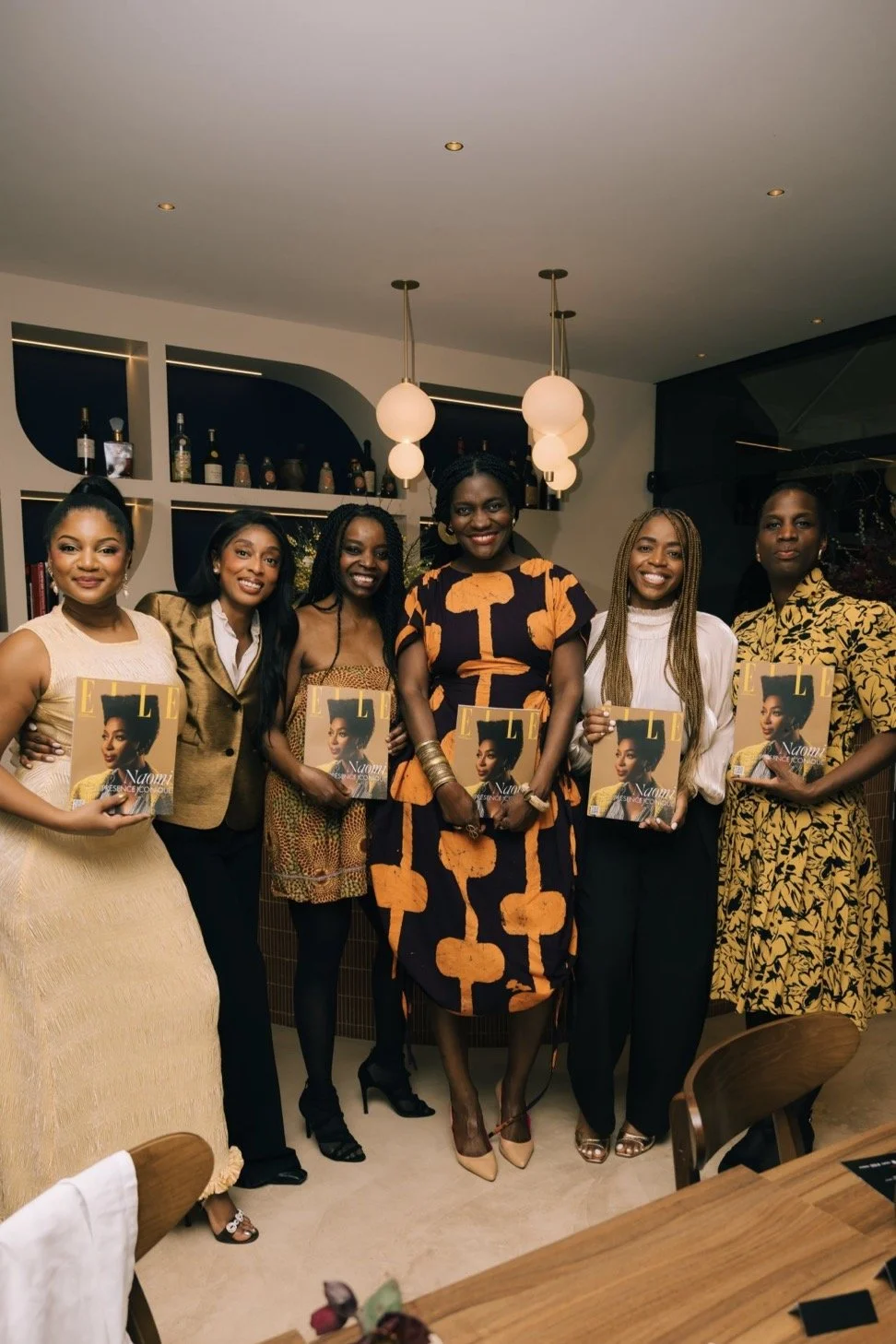
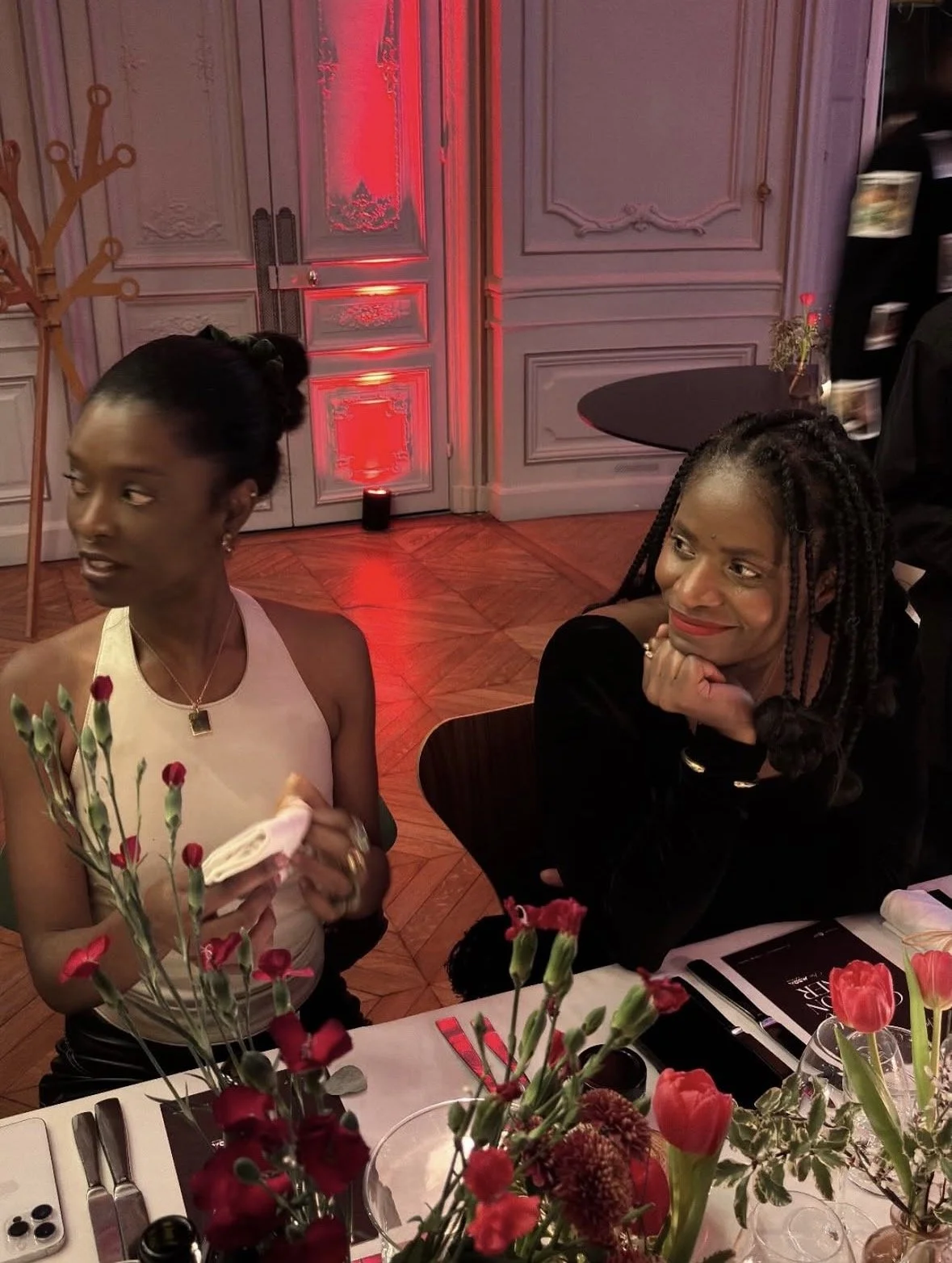
Recent ELLE Afrique francophone WOMEN’S DAY DINNER in Paris photographed by Audrey Mballa, courtesy of ELLE Afrique Francophone
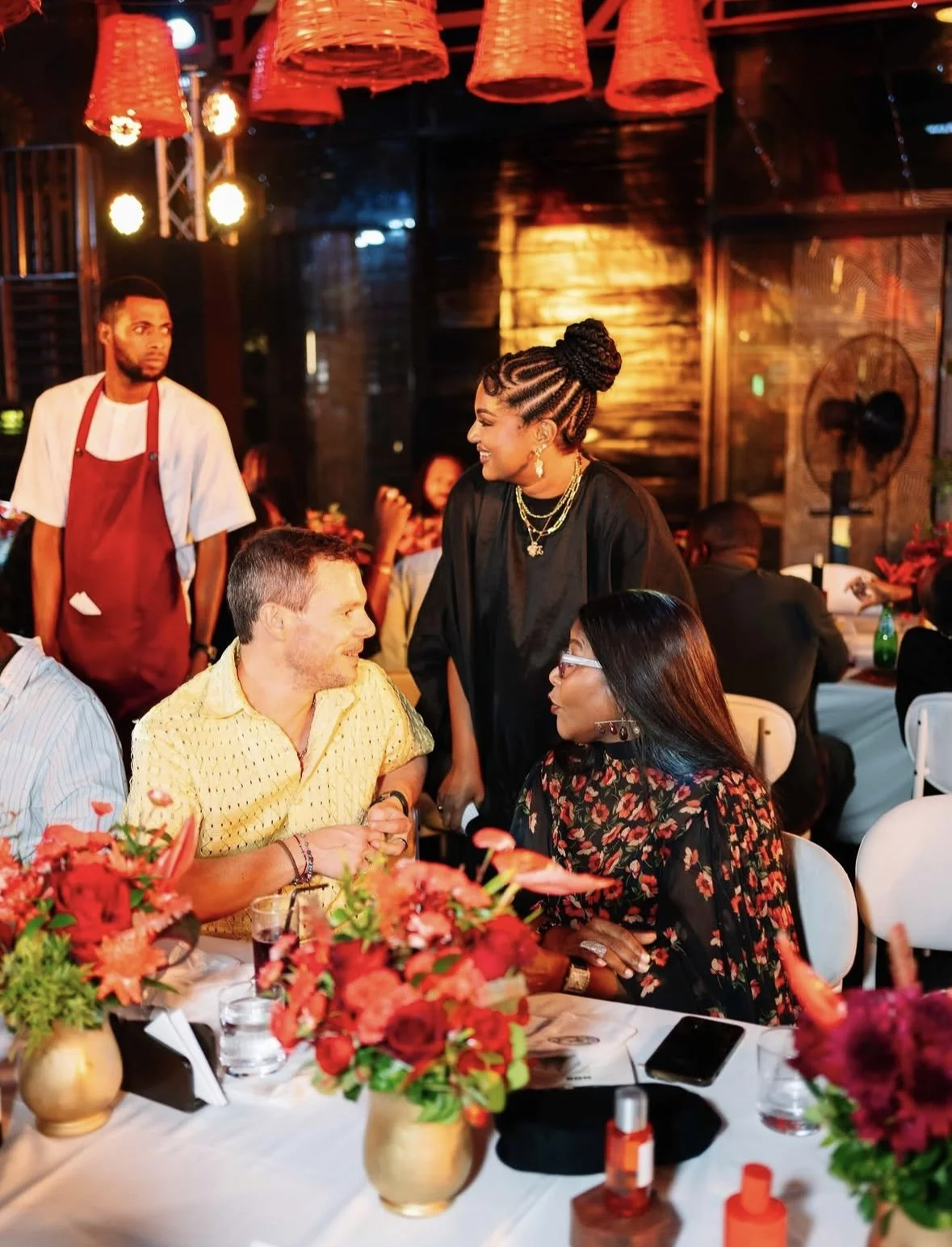
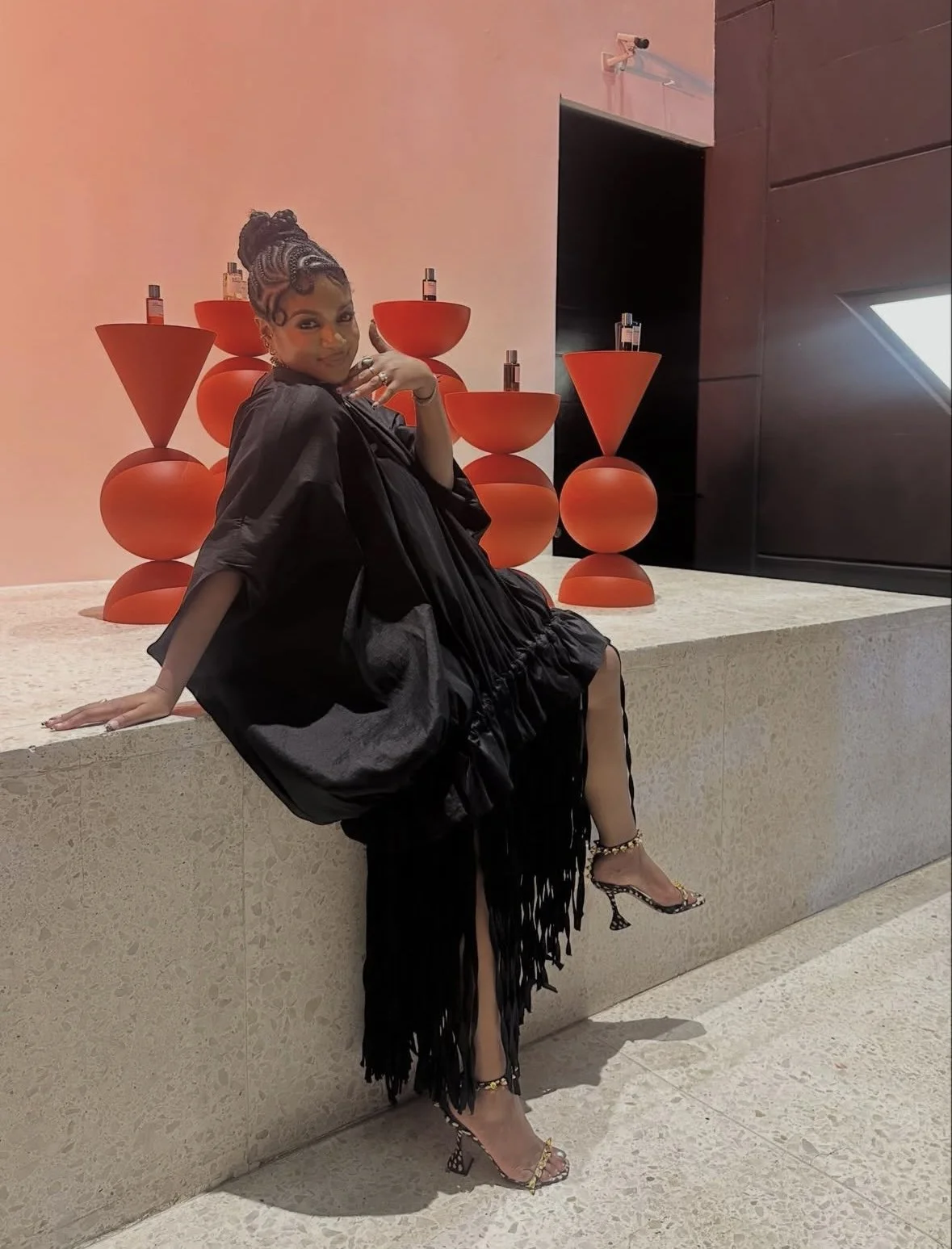
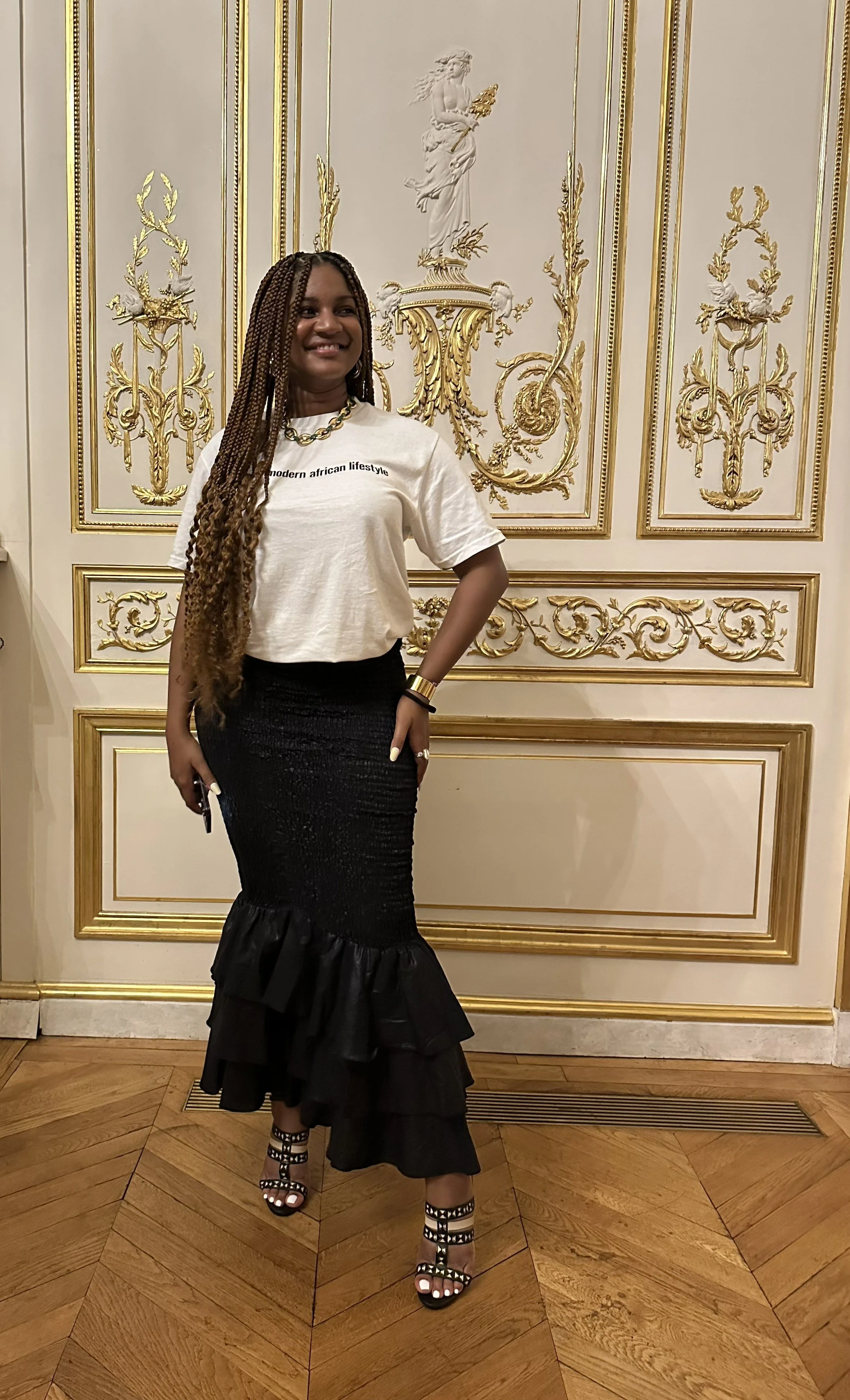
courtesy of Paloma Duran
HER LESSONS
Navigating racism in the French fashion industry and learning to claim her worth
“One of the major challenges I’ve faced is navigating racism and a lack of diversity in the French fashion and luxury industries. I’ve also noticed the invisibility of women across the creative industry more broadly. However, I’ve focused on hard work and surrounding myself with female entrepreneurs and eventually, female mentors. I actively sought out peers for advice, inspiration, opportunities and support. At the same time, I make a conscious effort in my work to put African and Black talent, especially women at the forefront, fostering collaborations that showcase diverse voices.”
What major hurdles have you had to overcome, and what would you like people in the industry to learn from?
One of the major challenges I've faced is navigating racism and a lack of diversity in the French fashion and luxury industries. I've also noticed the invisibility of women across the creative industry more broadly. However, I've focused on hard work and surrounding myself with female entrepreneurs and eventually, female mentors. I actively sought out peers for advice, inspiration, opportunities and support. At the same time, I make a conscious effort in my work to put African and Black talent, especially women at the forefront, fostering collaborations that showcase diverse voices.
What I want the industry to understand is that inclusion cannot be performative or occasional. It has to be structural, intentional, and sustained — part of how companies are built, not an afterthought. There is immense value, creativity, and innovation within African and diasporic communities, and it deserves to be recognized, respected, and invested in beyond trends.
A recent lesson that changed the way you operate:
Learning not to be afraid to claim what I'm owed, my value, my worth, my fees. I've realized that, as a woman, it can sometimes feel difficult to talk about money, and the French mentality often makes these conversations feel uncomfortable. But I've learned that being clear, confident, and unapologetic about my worth not only benefits me, it also sets a standard for respect and fairness in my work.
A piece of advice that changed the way you operate:
Don't have too much ego and learn to let go. Sometimes I hold grudges, and this reminder helped me approach work more openly and focus on what matters instead of getting stuck on small frustrations.
A habit you're trying to build:
I want to make it a regular practice to learn from others, share insights and strengthen collaborations, so that my projects are not just about what I do, but also about fostering a stronger, more supportive creative community.
HER ENERGY
Staying curious, grounded, and moving
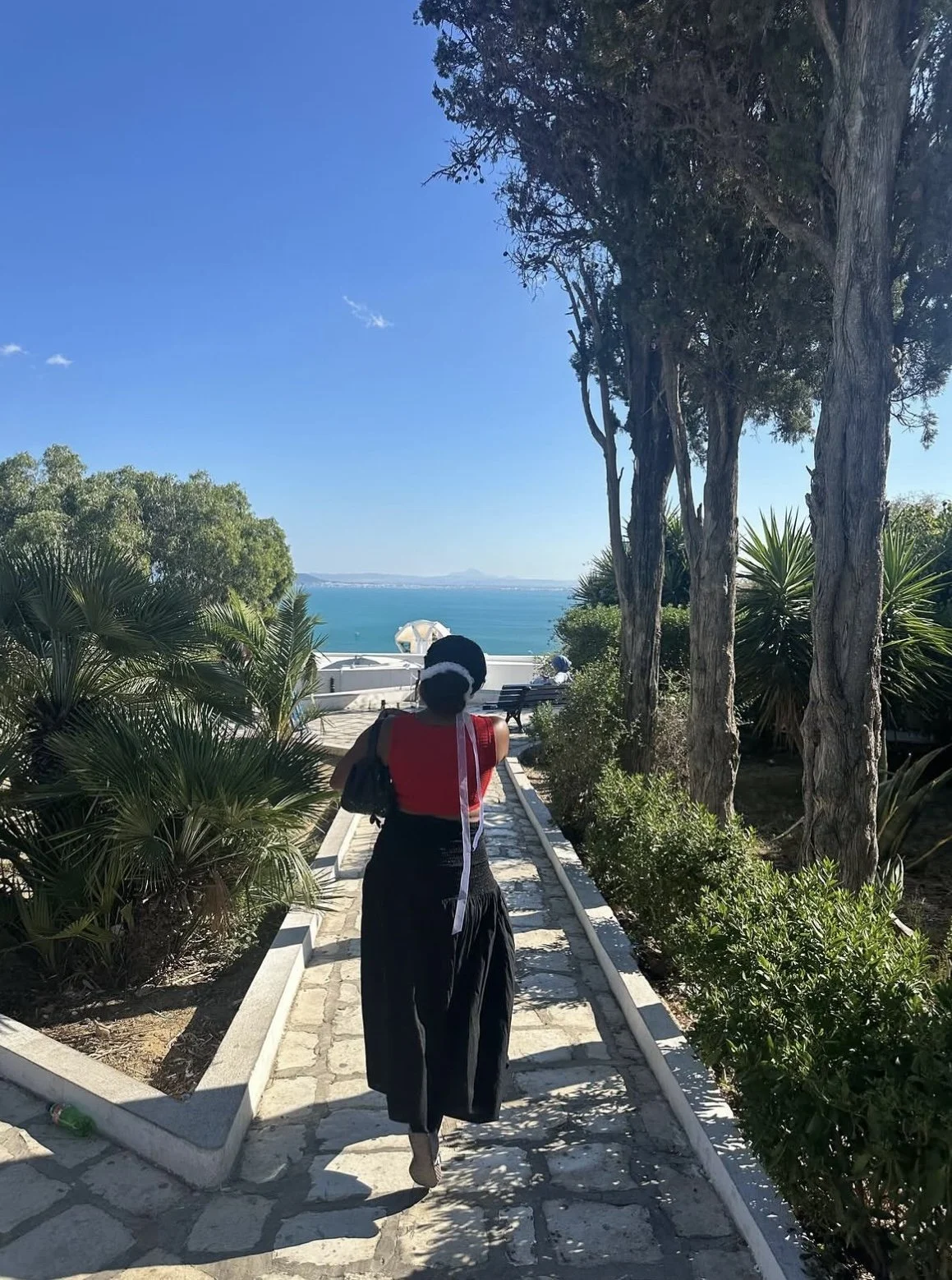
courtesy of Paloma Duran
What do you enjoy most in your work?
I love connecting people. I love seeing relationships grow, ideas spark, and projects come to life when the right people meet at the right time.
What keeps you going?
African fashion.
How do you stay inspired?
I travel a lot.
Where do you find sanctuary in challenging times?
I lean on my partner and close friends for support and on reconnecting with my roots: going to the motherland, talking to my mother or my grandmother. These moments help me reset and truly gain perspective.
A motto you live by:
In French there is a saying: "Qui ne tente rien n'a rien." If you don't try, you won't get anything. It reminds me to take risks.
An affirmation that keeps you going:
We often talk about a seat at the table. I feel like I am creating my own table so I'll always have a seat there, and I make room for others.
HER COMMUNITY
The foundation of her work
“Community, to me, means connection, support, and shared growth. It’s about people coming together, exchanging ideas, and lifting each other up. In my work, it has shown up through collaborations, mentorship, and creating spaces where women can be seen, heard, and celebrated. Community isn’t just a network; it’s a source of inspiration and strength that makes everything I do more meaningful.
Being connected to peers, mentors, creatives, and audiences is central to my work and my life.”
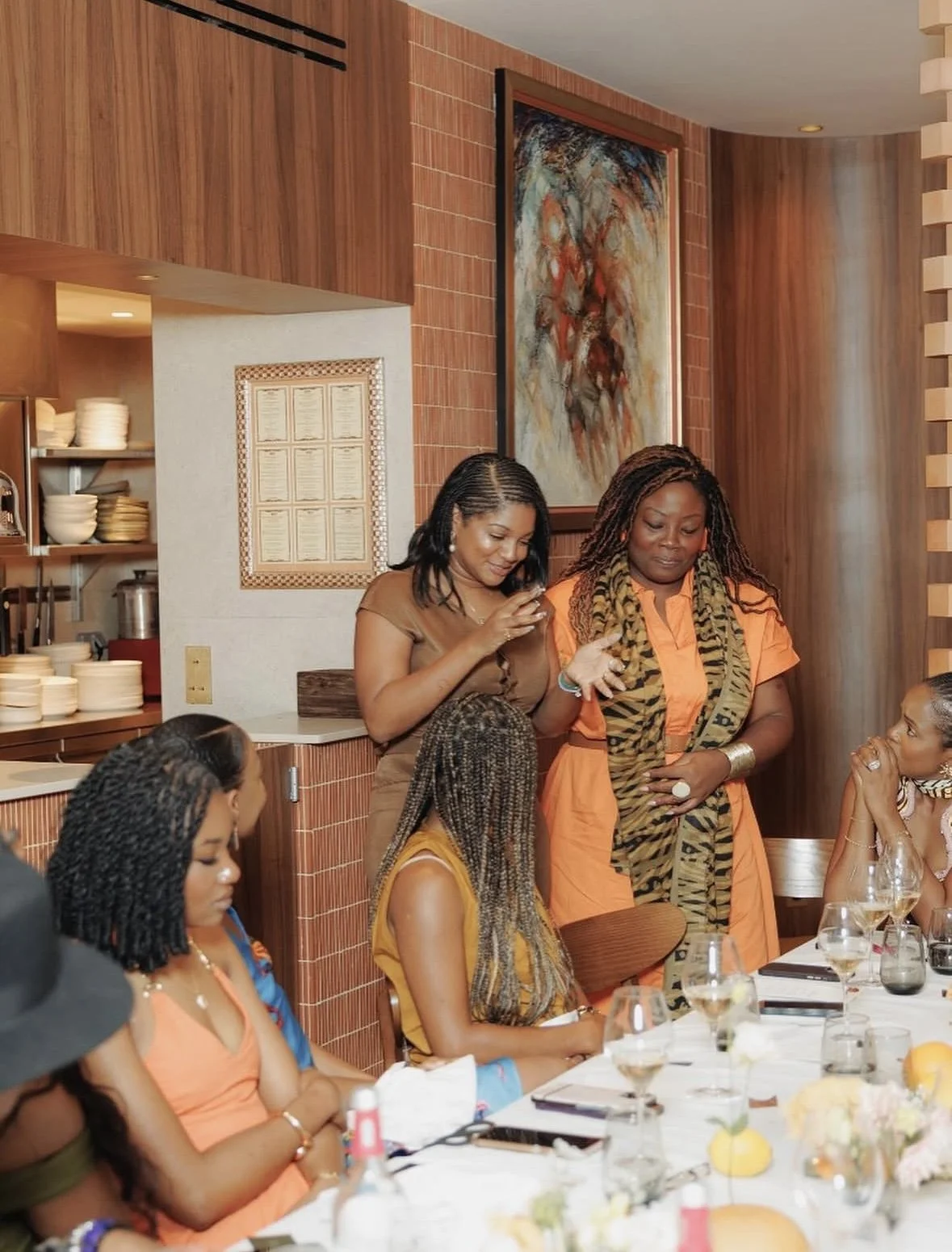
Sheek community event in Paris by Sophie Aiida, courtesy of Paloma Duran
HER PERSPECTIVE
Accessibility, visibility, and the opportunities ahead for African fashion brands
Any specific industry topics you've been digging into lately?
Lately, I've been exploring the price points and accessibility of African fashion brands. Many talented designers create incredible work, but high production costs and limited distribution can make their pieces less accessible to wider audiences. I'm interested in how we can balance quality, cultural authenticity, and affordability while helping African brands reach both local and global markets.
What are some current challenges and opportunities you’re seeing in the global African fashion ecosystem?
One of the main challenges is visibility and access: many talented African designers face barriers in reaching international markets, accessing funding, and building scalable production. At the same time, there are huge opportunities. There's growing global interest in African fashion, a vibrant creative talent pool, and digital platforms that allow designers to showcase their work worldwide. For me, it's an exciting moment to help put African talent and stories at the forefront of the global fashion conversation. Lagos Fashion Week is always a breath of fresh air.
What avenues could be explored to better bridge the gap between independent designers and global audiences?
Strengthening access to international distribution channels and digital platforms can help showcase talent beyond local markets. Investment in production infrastructure, supply chains, and logistics would make scaling easier. Mentorship programs, collaborations, and partnerships with global brands can provide exposure and knowledge exchange.
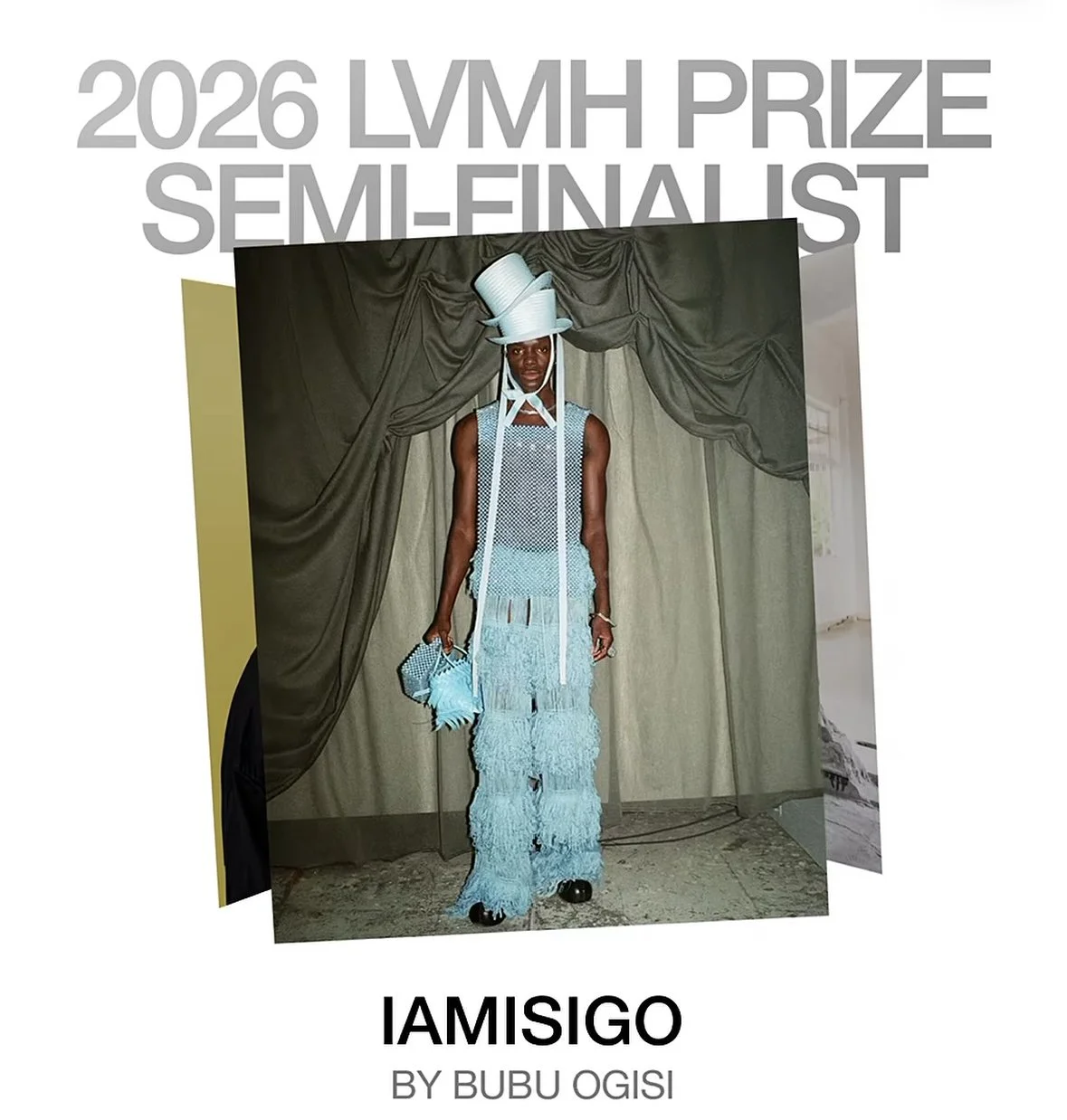
LVMH Prize Semi-finalist announcement of IAMISIGO
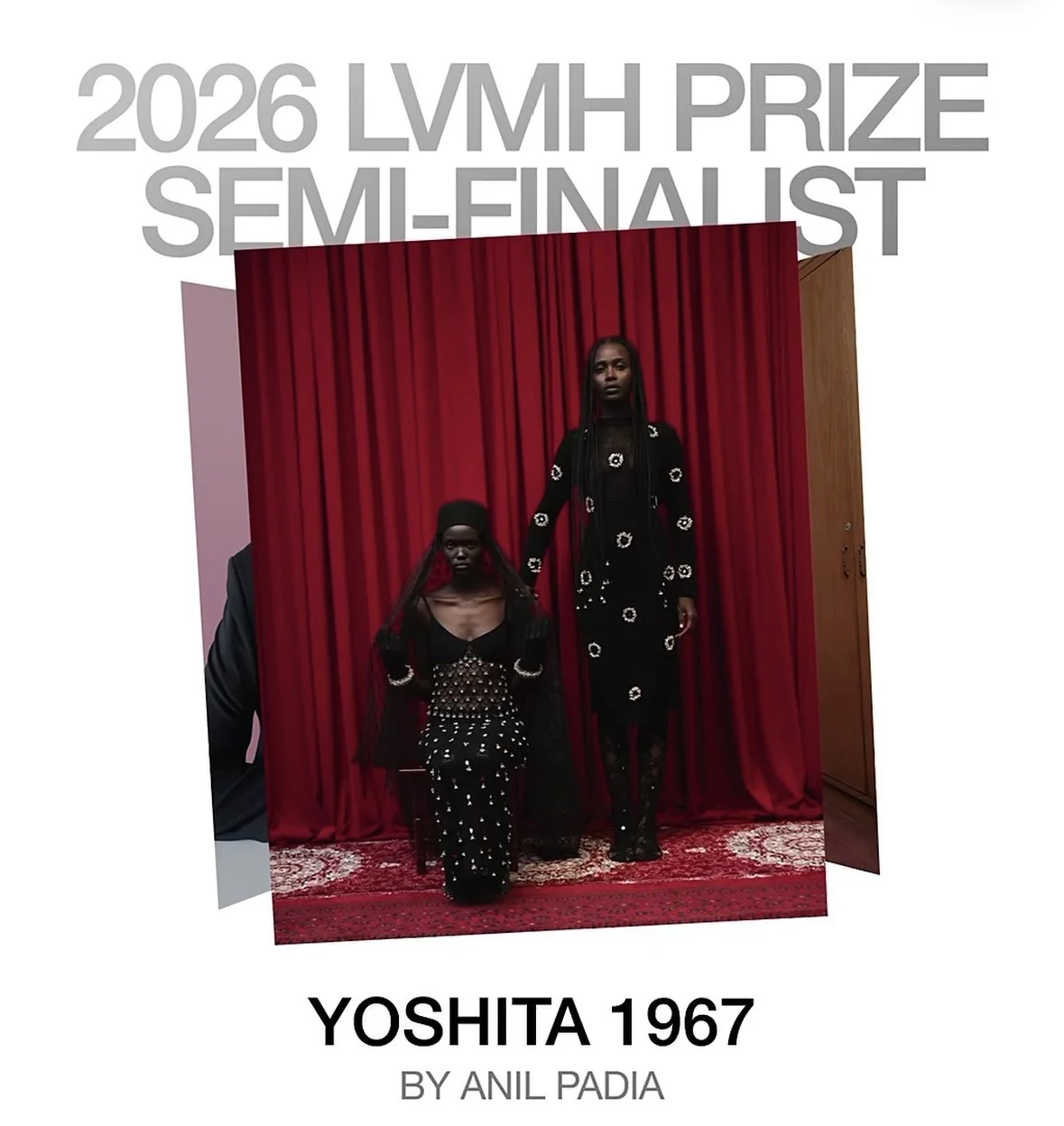
LVMH Prize Semi-finalist announcement of YOSHITA 1967
ON HER RADAR
The global South and what the LVMH Prize nominations signal for African fashion globally
What are you curious about at the moment?
The global South and the bridges that can be built. Curious and genuinely excited.
What fashion event or news got you excited recently?
I recently got so excited seeing designers Bubu Ogisi with Iamisigo and Anil Padia with Yoshita 1967 nominated as semi-finalists for the 2026 LVMH Prize for Young Fashion Designers. Both brands bring unique, culturally rooted perspectives while contributing to a more diverse global fashion conversation, and their nominations signal a powerful shift toward recognising African creativity on the world stage.
HER STYLE
Omôl, The Hybride Studio and more
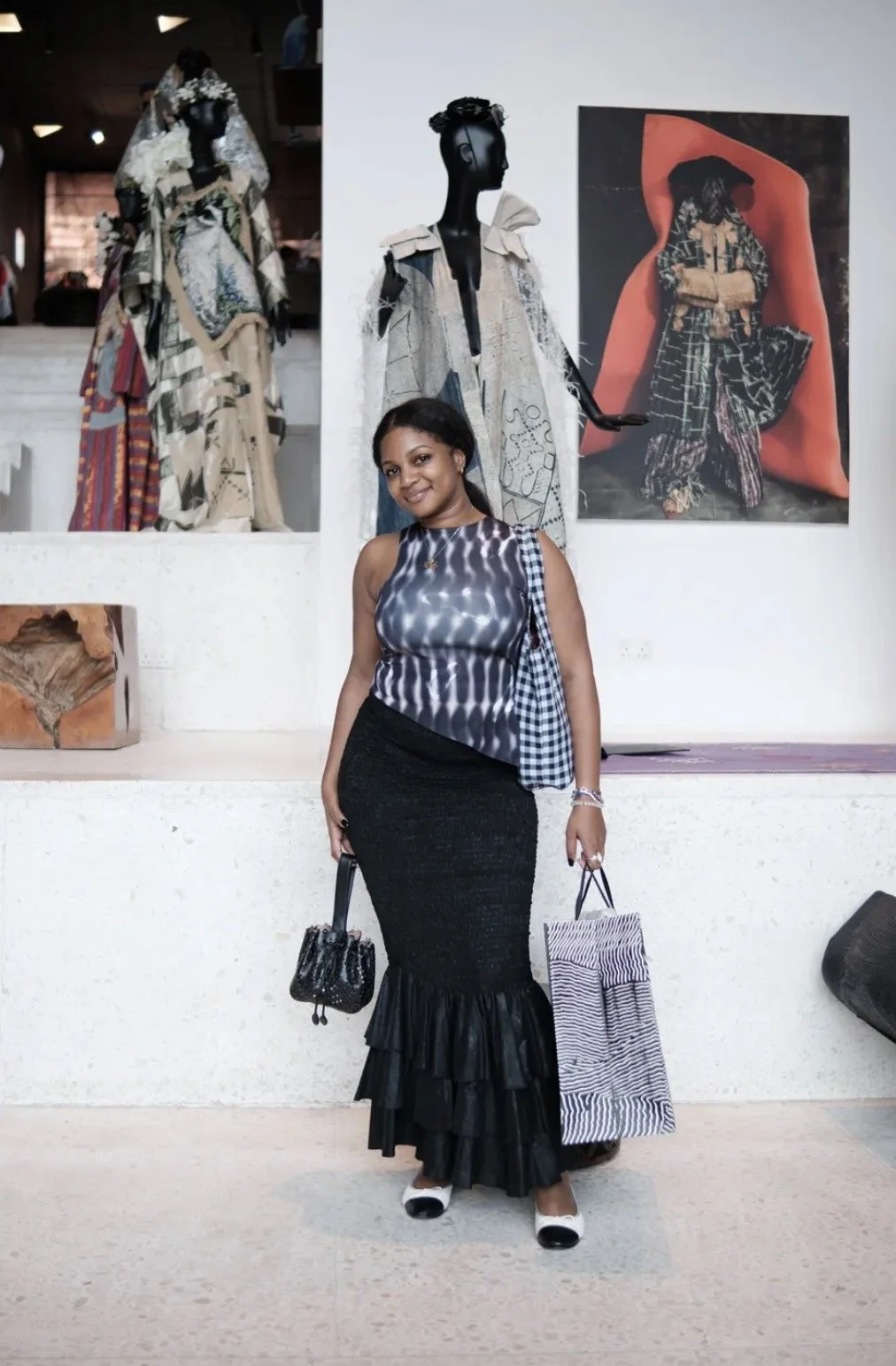
Paloma Duran photographed by Stephen Tayo inside luxury multi-brand retailer Alára in Lagos for Vogue
Your wardrobe essentials:
Three: my Omôl green raffia clutch, Chanel ballet flats, and my Worldnet x Frank Ocean black hoodie.
Your go-to destination to discover brands from Africa and the diaspora:
Lagos, and my collaborator Zhedy Nuentsa.
Some of your favorite brands:
The Hybride Studio, Super Yaya, Diane V, Yoshita 1967, Tongoro, Kadiju, Oríré, Lisa Folawiyo, Nitémi, and so many more.
Specific pieces you have your eyes on:
The Petaw Earrings from Tongoro. I also notice a real gap when it comes to footwear; there aren't as many African shoe designers, and that's something I'd love to see change because there's clearly both talent and demand.
THE CONNOISSEUR EDIT, INSPIRED BY HER
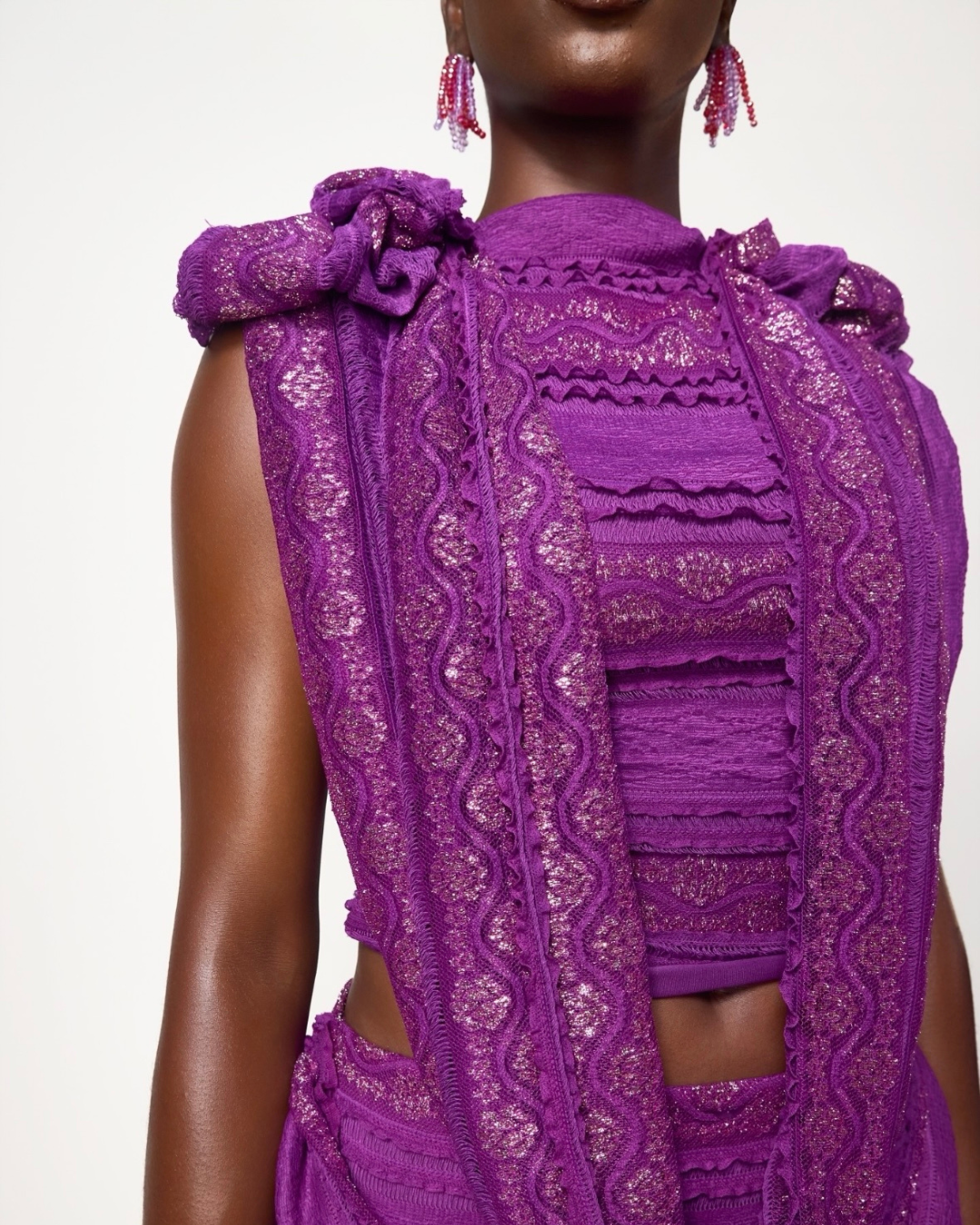
KADIJU Purple Draped Lace Column Top
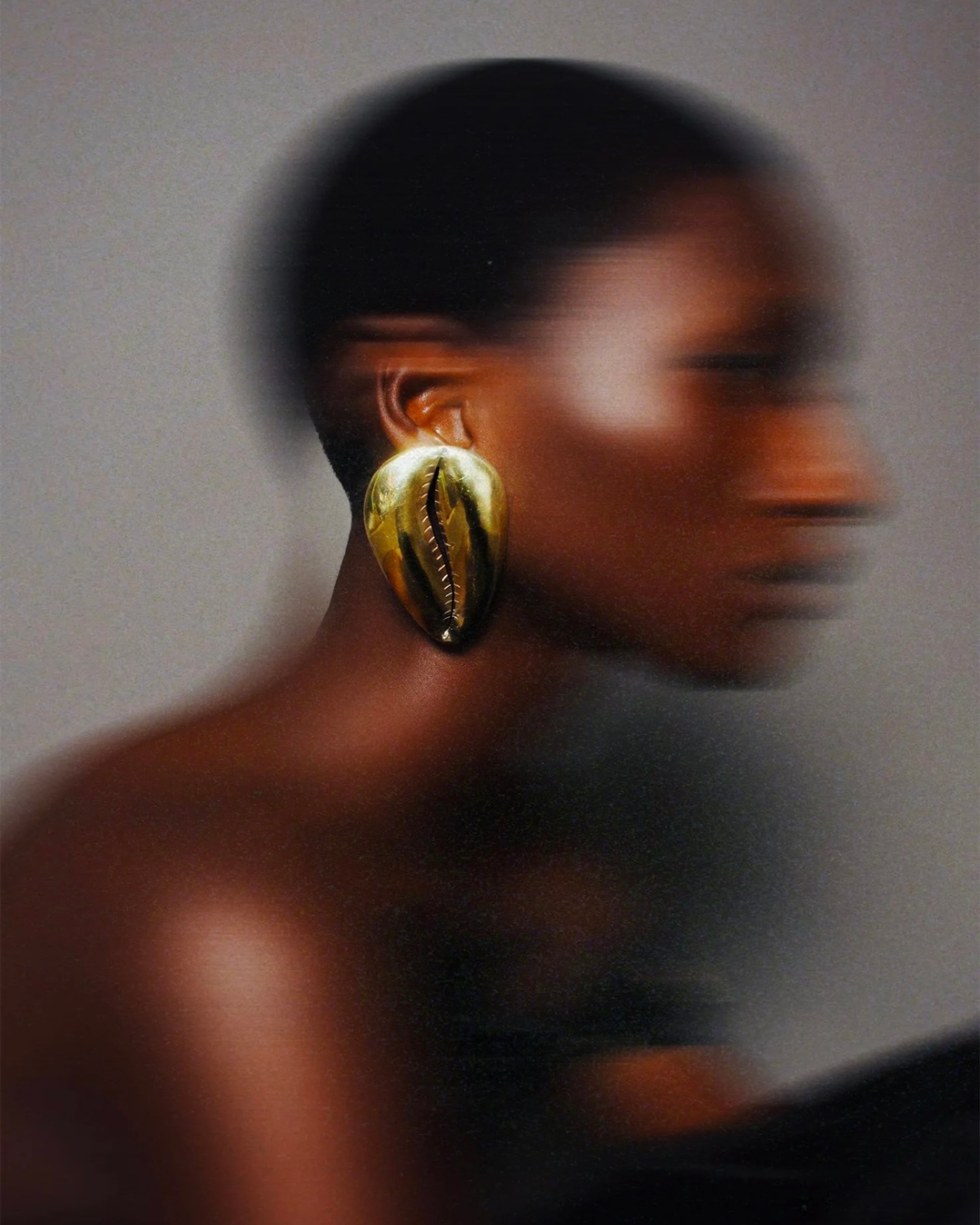
TONGORO PETAW EARRINGS
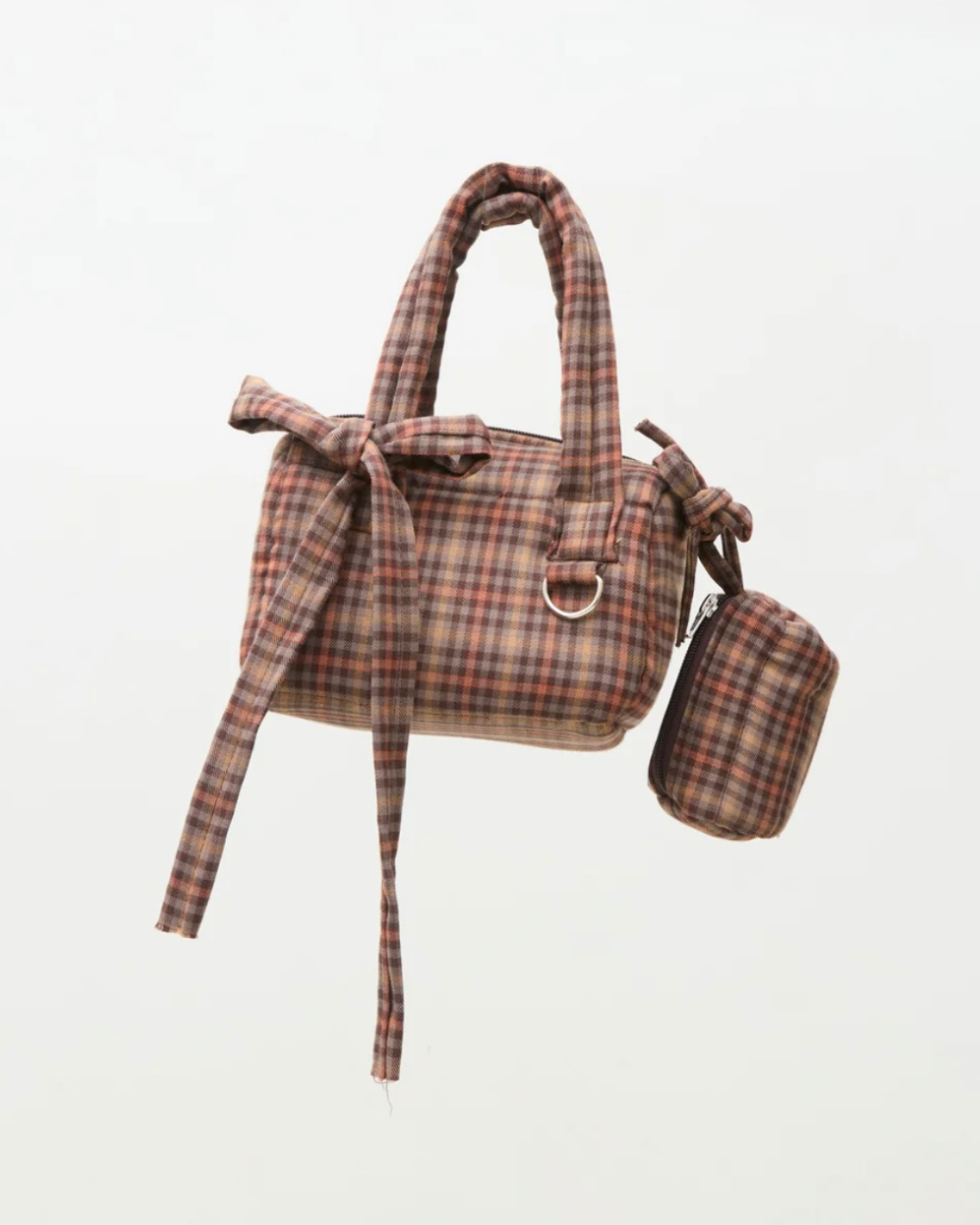
DIANE V Brigadeiro Mini Bag
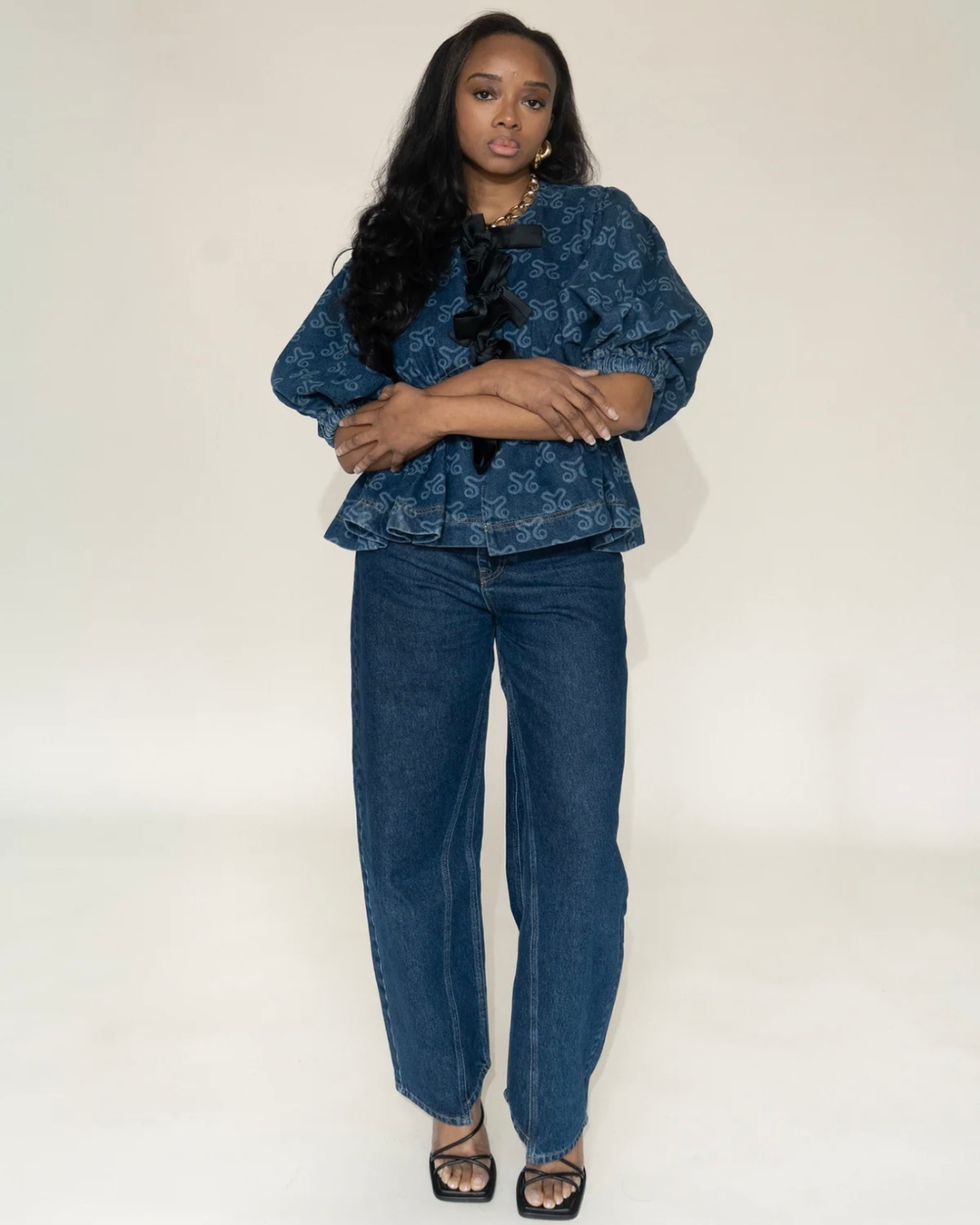
OMÔL Maggey denim - Dark wash
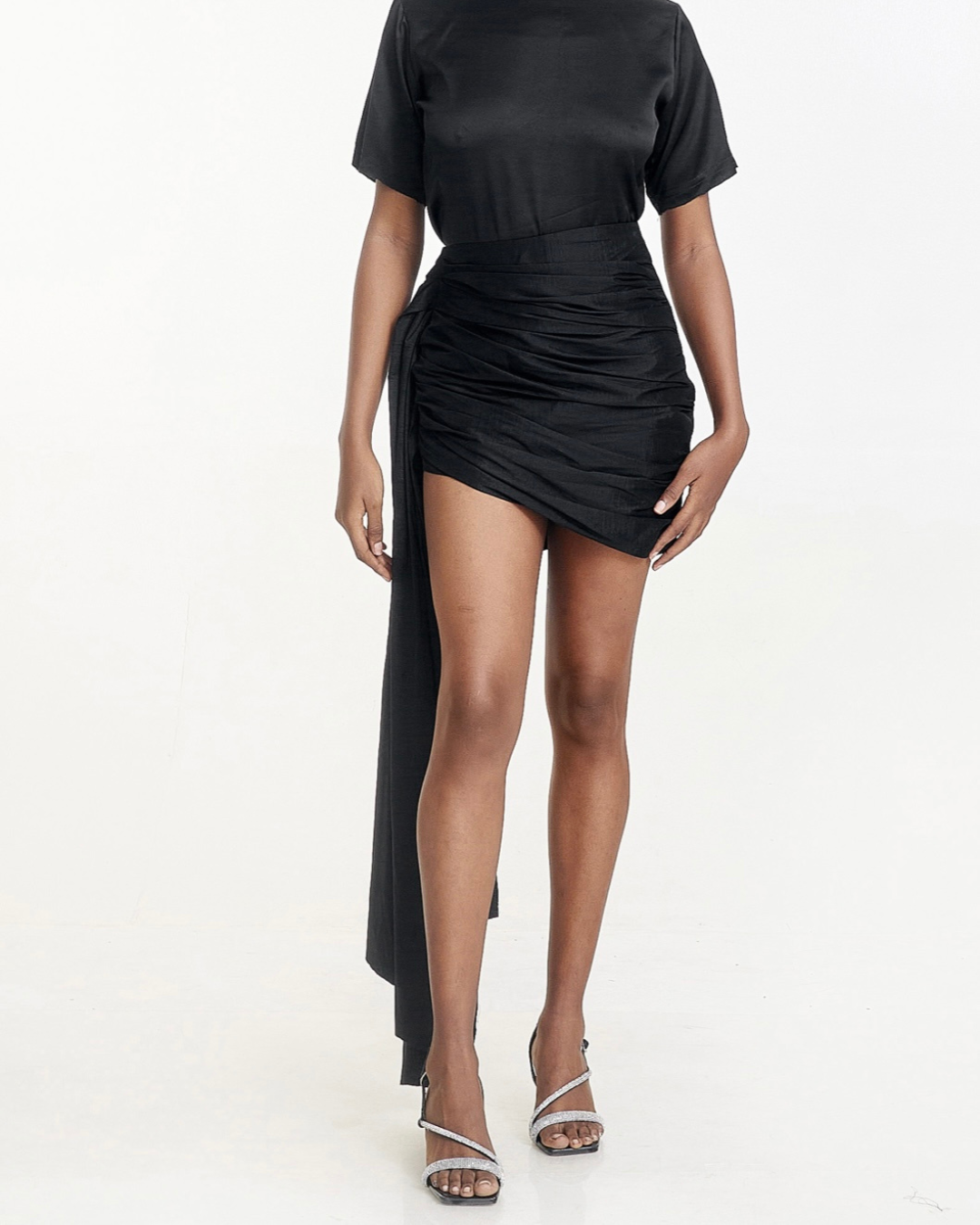
NITÉMI Ahunna Set
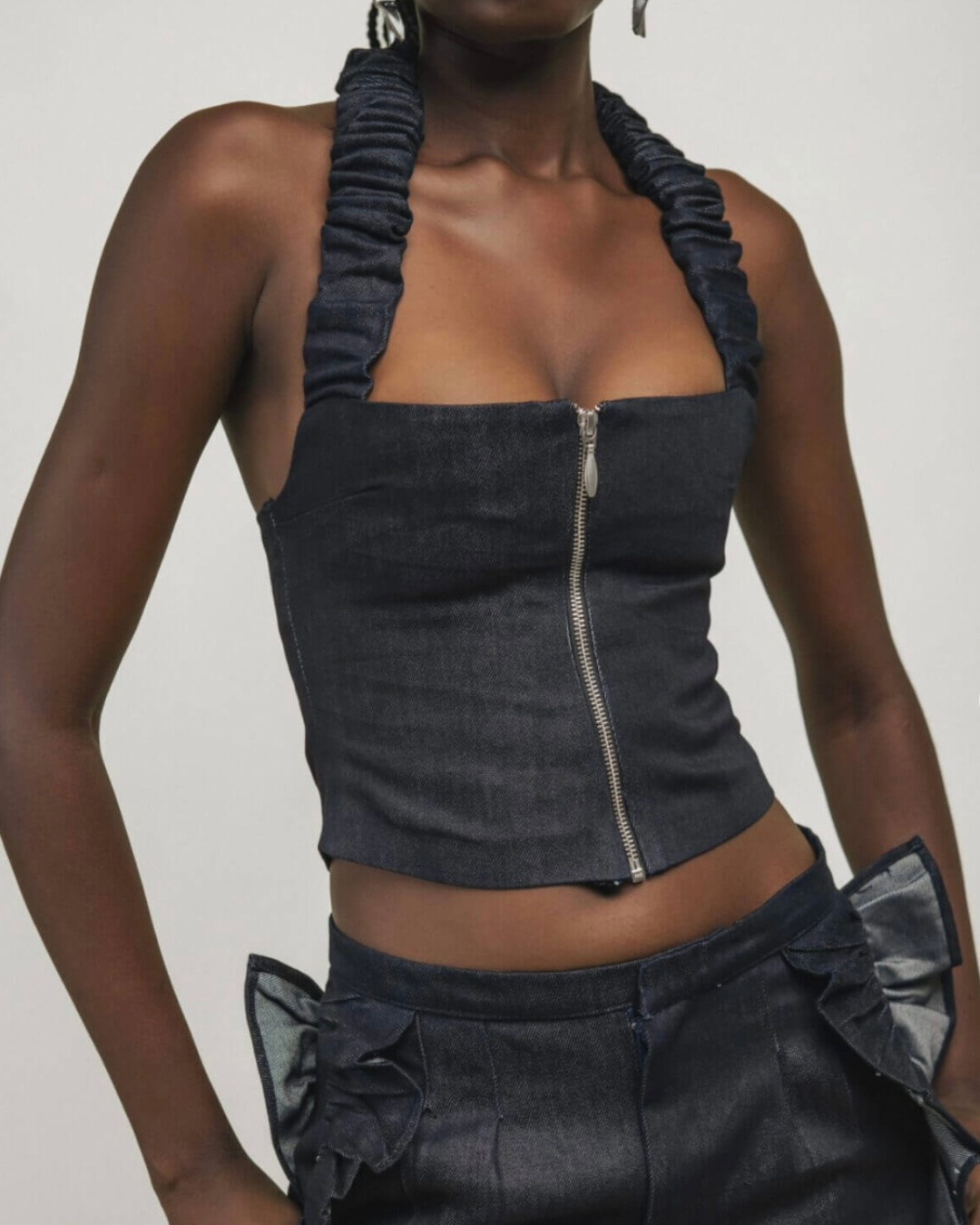
ORÍRÉ Lumar Top
Paloma Duran's conviction that visibility should feel like belonging is not just a professional stance. In a global African fashion ecosystem where infrastructure is still being built and conversations still need to be had, it is also a blueprint.
Find her on Instagram at @palomaximum. This interview is part of NDAANE CURATORS, a portrait series with the people shaping the future of fashion with Africa in mind. Read the next portrait with fashion designer and sustainable growth strategist Chloe Asaam on building with integrity.
Subscribe to the NDAANE newsletter to stay across every conversations in the series.