
“Telling Stories Can Be Very Straightforward”: Frida Nakarma Lidbom on Fashion's Waste
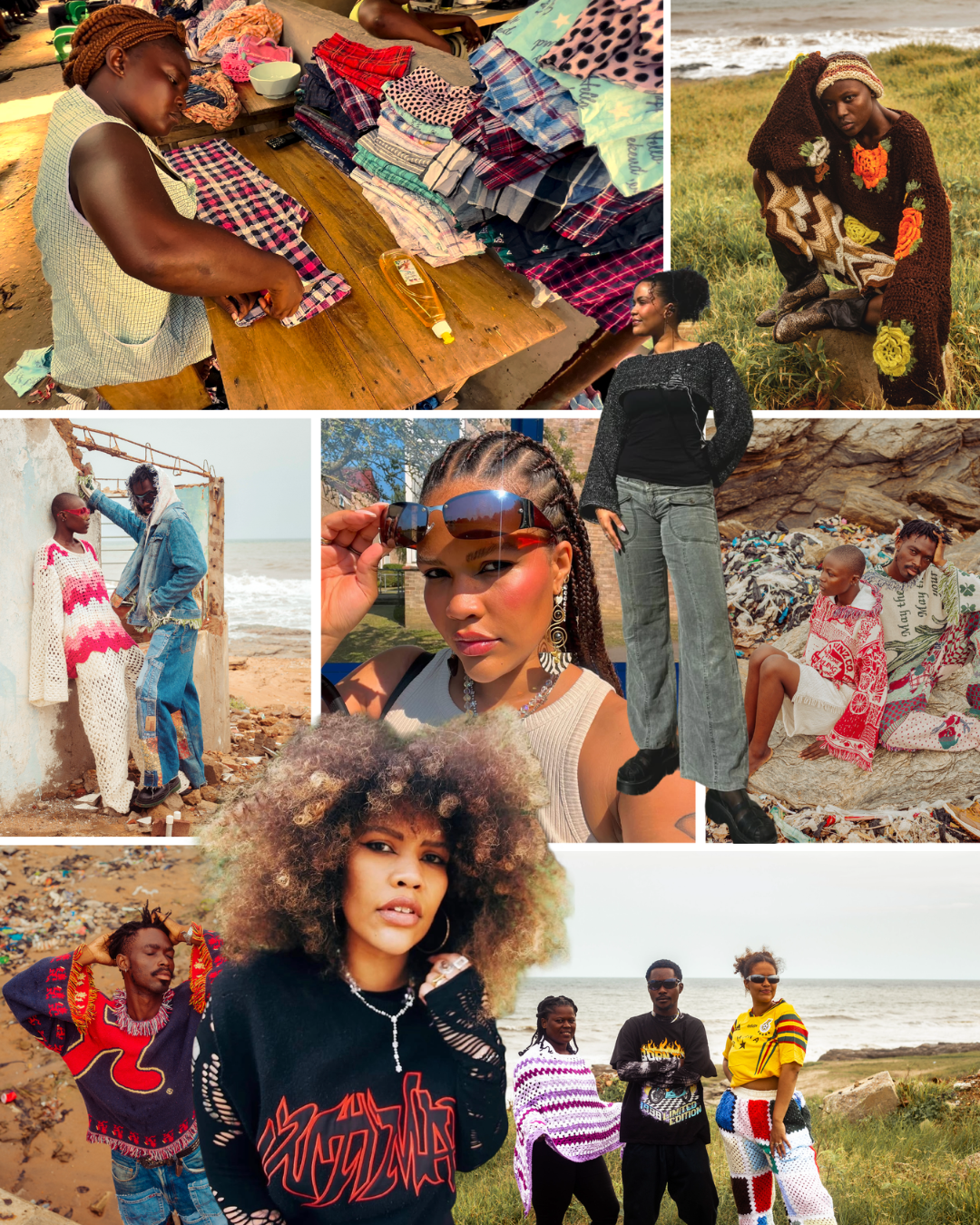
FRIDA NAKARMA LIDBOM
“I want to be a communication bridge for underrepresented voices that often go unheard within the fashion industry. To me, that means amplifying real experiences and knowledge while raising awareness among both brands and consumers.”
Frida Nakarma Lidbom documents both the work of communities making fashion fairer and the systems that keep it from being so. A writer and visual storyteller originally from Norway, and now based in London, she came to this personal mission through years spent inside second-hand and vintage warehouses, sorting through excessive amounts of clothing. That experience turned into a question she has been following ever since: who really pays the price of fashion's overproduction, and who gets to take responsibility for fixing it. This portrait follows her decision to become a communication bridge for the voices the industry tends to forget, from the artisans of Kantamanto to the policy rooms where the rules are still being written.
HER CRAFT
From vintage warehouses to documenting fashion's waste
Could you tell us what you do and why it matters to you?
I'm a visual storyteller and writer, documenting underrepresented voices and the real people driving ethical and sustainable fashion. I spent years working in second-hand and vintage, which gave me a first-hand sense of how complex the industry is and how far it falls short on ethics. Curating vintage in massive warehouses around the world, I saw endless clothing left unused and unloved. Seeing that overproduction up close made me realise the system makes far more than we need, at a cost to people and the planet.
What made you act on what you witnessed?
That experience pushed me to research the mechanisms behind it. Once you have stood in front of that much discarded clothing, you cannot unsee it. I wanted to understand the systems that allow it to happen, and then write about them in a way people could actually follow.
What message do you want to convey through your work, and what does it mean to you?
I want to be a communication bridge for the voices that often go unheard in the fashion industry. For me, that means amplifying real experiences and knowledge while getting both brands and consumers to pay attention. I also see the work as part of building better education around sustainability, helping people understand not just what's wrong, but how we can do better.
What are you focusing on at the moment?
Education and awareness. Lifting and writing about brands that have a positive influence on the fashion industry. I am also trying to plan a new documentary that digs further into policy and how the industry handles textile waste.
Any work highlight?
My documentary about waste colonialism, The Threads of Resilience. You can find it on YouTube.
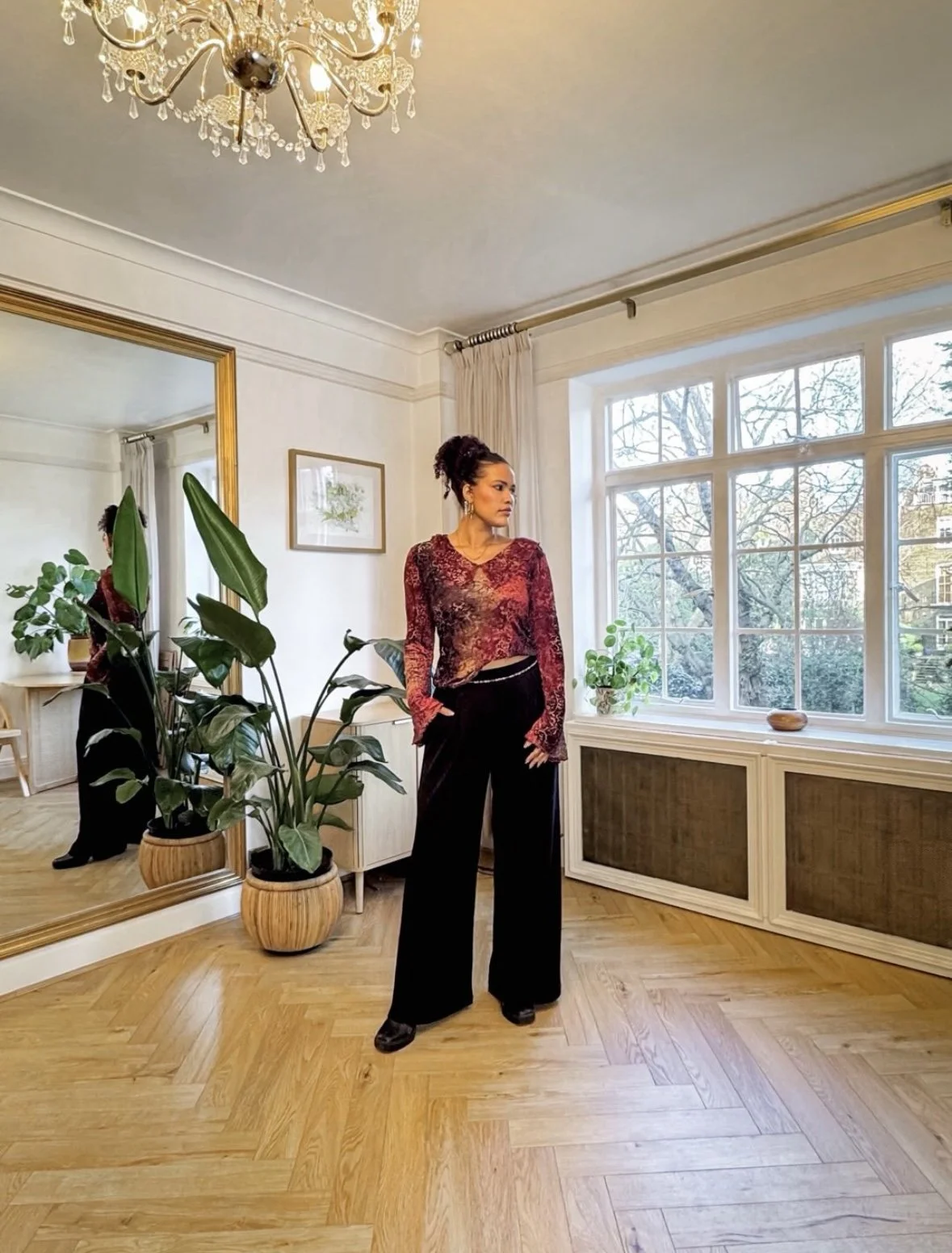
Frida Nakarma Lidbom posing for sustainable label AS WE ARE NOW, courtesy of Frida Nakarma Lidbom
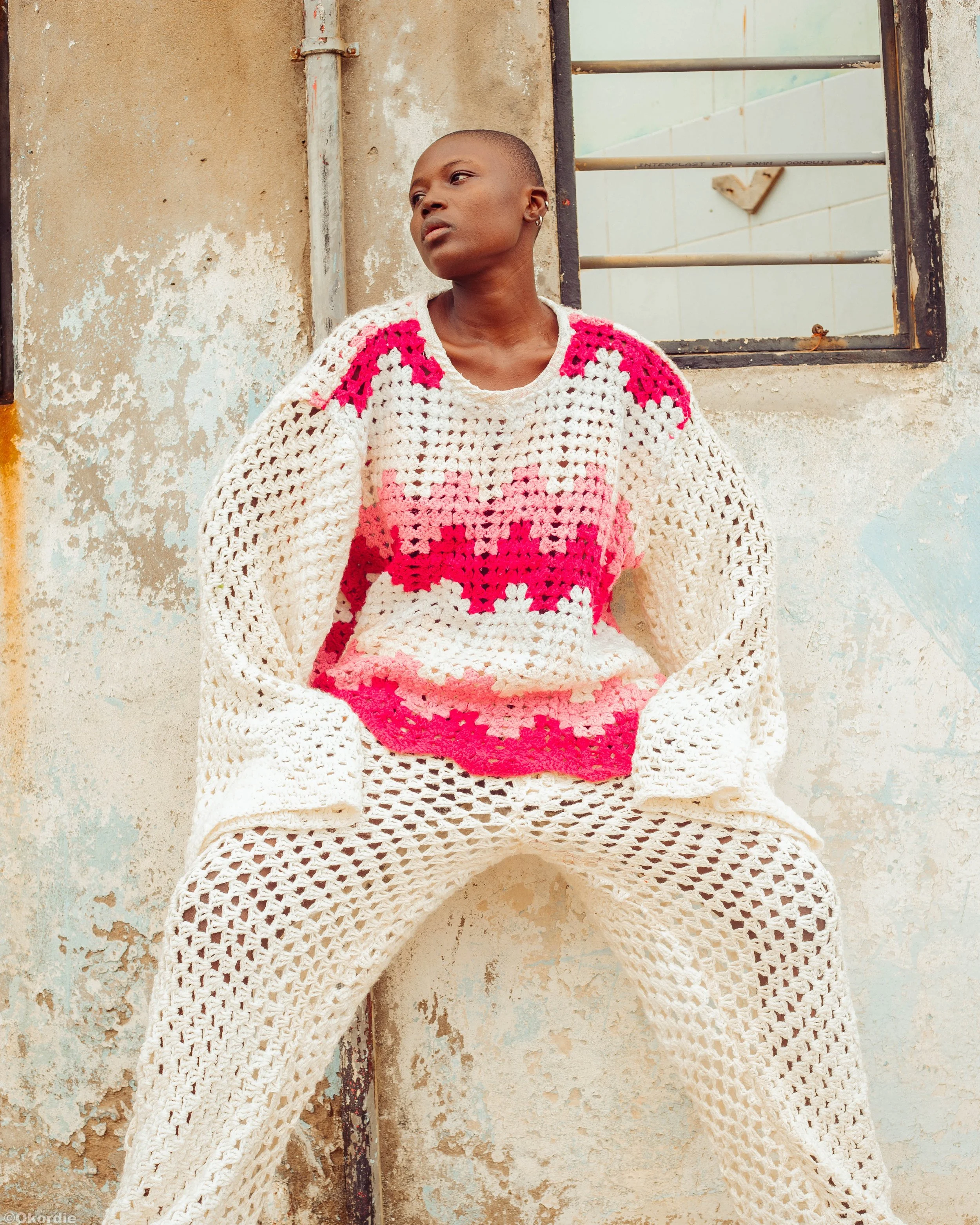
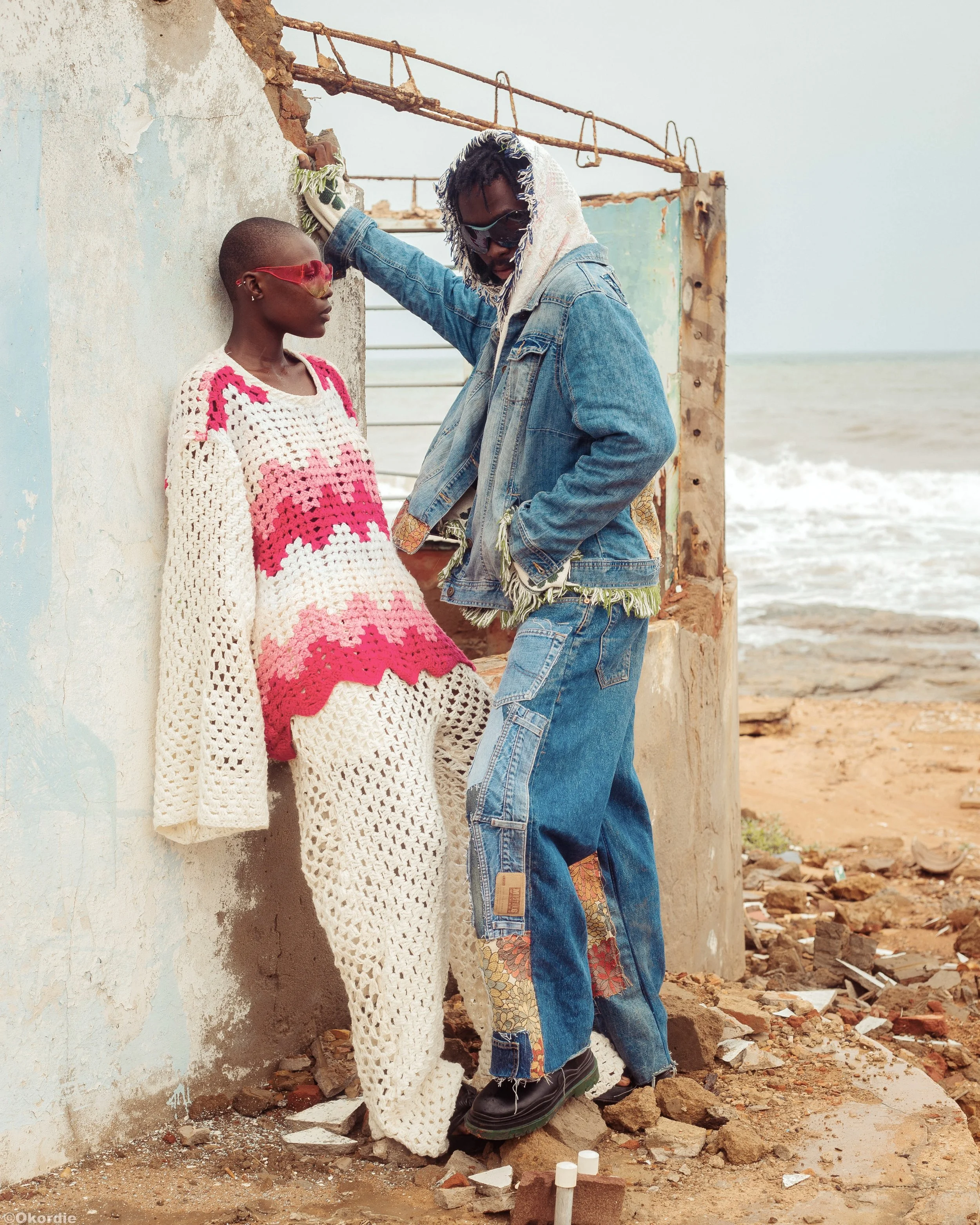
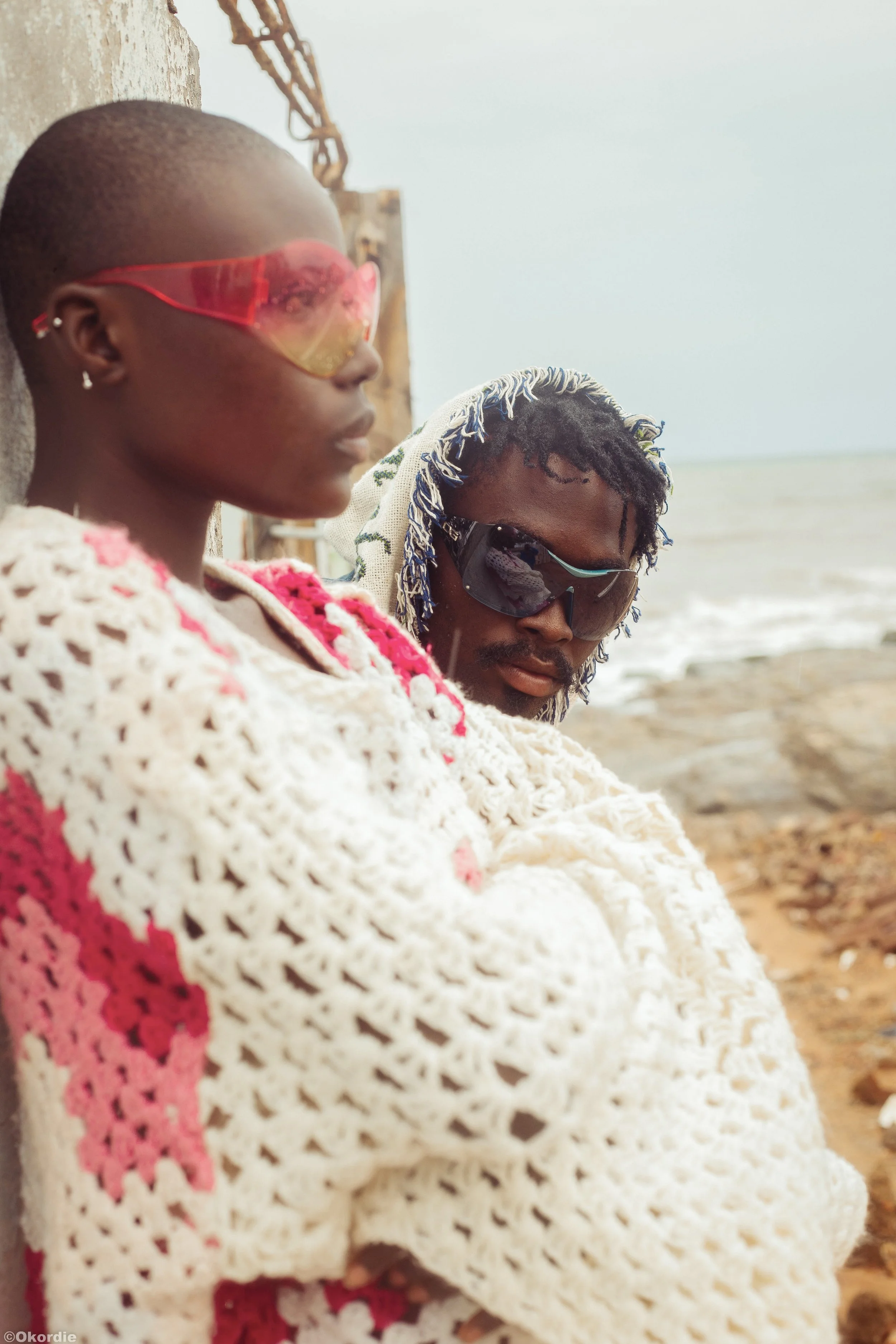
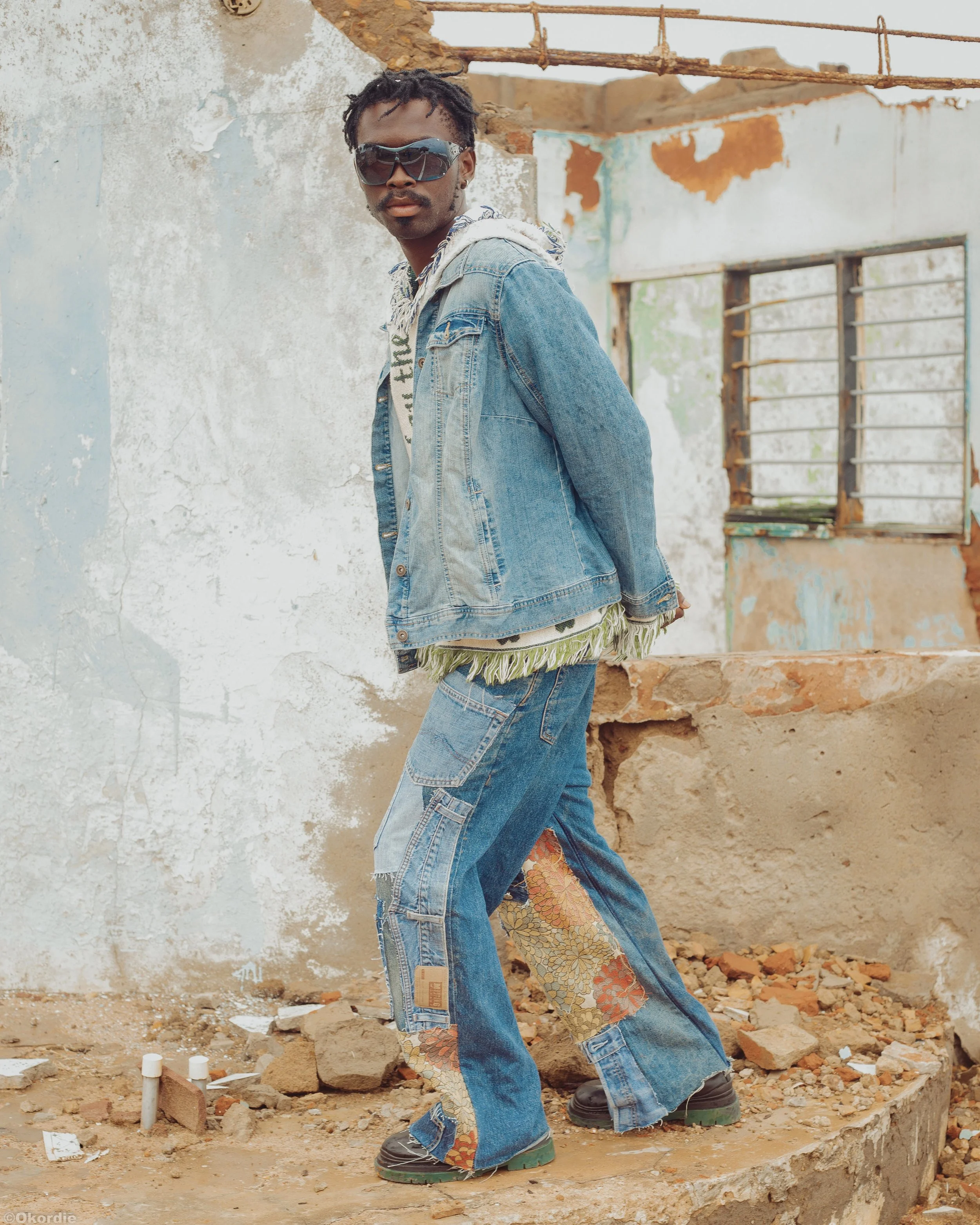
Photoshoot in Accra, directed by Frida Nakarma Lidbom. Stylist: Kofi Heller @kofi.heller, Design/Collection: CRAZED @crazed_inspo, photographer: Joseph Boakye Mensah @okordie_, models: Mimi @_ohemaab Humphrey @crazed_inspo
HER LESSONS
On transparency, primary research, and not overcomplicating the work
What major hurdles are you facing in your work?
Doing the research and exposing the industry's bad practices hasn't been easy, mostly because of a lack of transparency, greenwashing and tokenism. It's also hard to research an industry that has no international definitions, laws or policy, despite such global supply chains.
A recent lesson that changed the way you operate?
When you're learning from underrepresented voices and communities, you have to immerse yourself, and not over-research beforehand. Things are usually very different first-hand than they are on paper. Ethnographic and primary research is the best.
A habit you are trying to build?
Two, really. Taking my time instead of rushing. And not overcomplicating things: telling stories can be very straightforward.
HER ENERGY
Connecting with people, learning and the passion for the craft
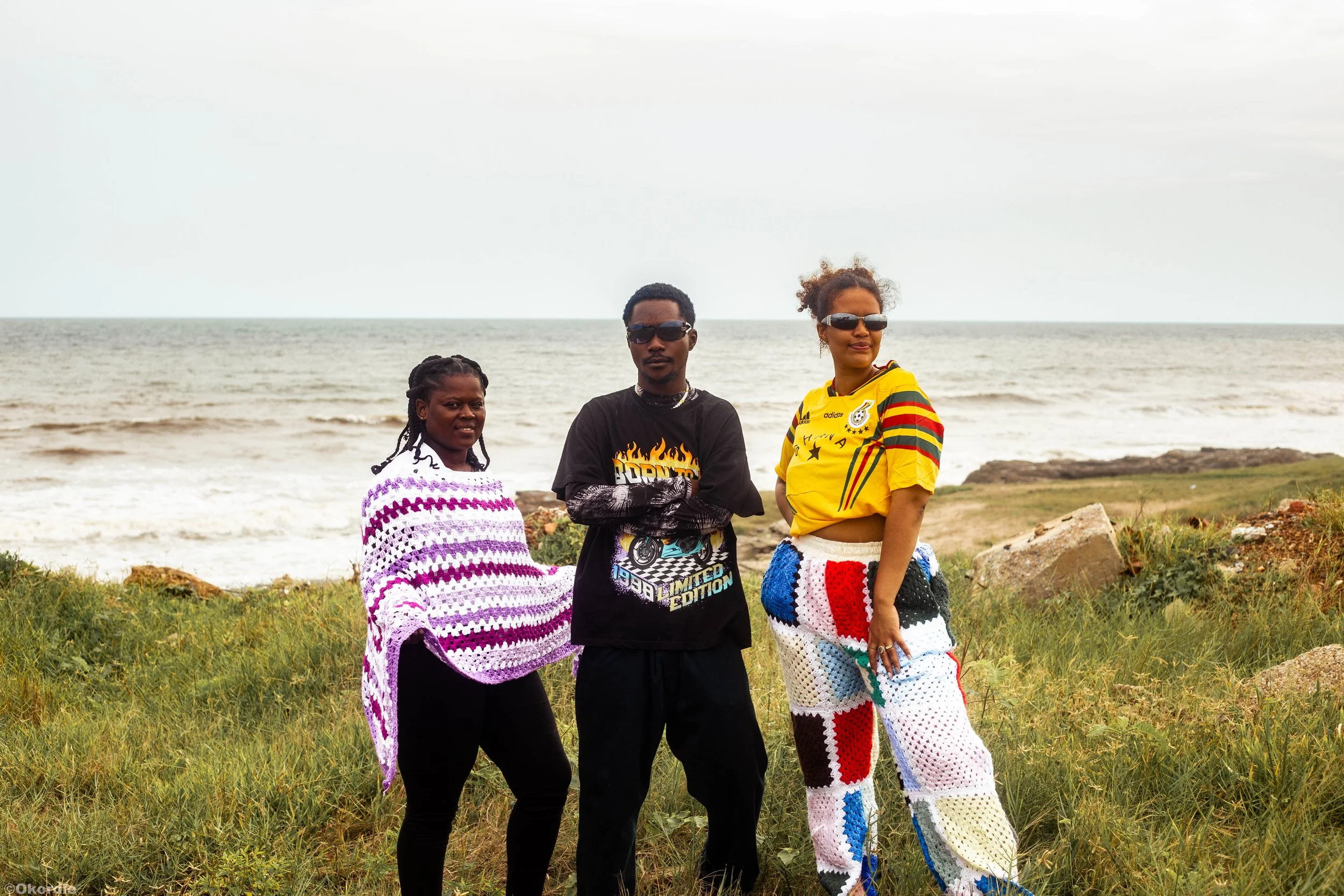
Stylist and designer Kofi Heller, Frida Nakarma Lidbom
What keeps you going?
Connecting with people, and constantly learning and unlearning. Meeting the people and brands that give me hope the industry can be better. People practising fashion at its root, not just the corporate, commercial side that only cares about selling, which is what we usually see. Meeting people who are genuinely passionate about what they make or what they preach inspires me.
HER COMMUNITY
Building an aligned community in London
“Connecting with people and learning through them inspires me a lot. It challenges you.
After more than two years in London, I’m finally feeling the connections around me build. A community is slowly forming where we’re all aligned and working towards the same goals.”
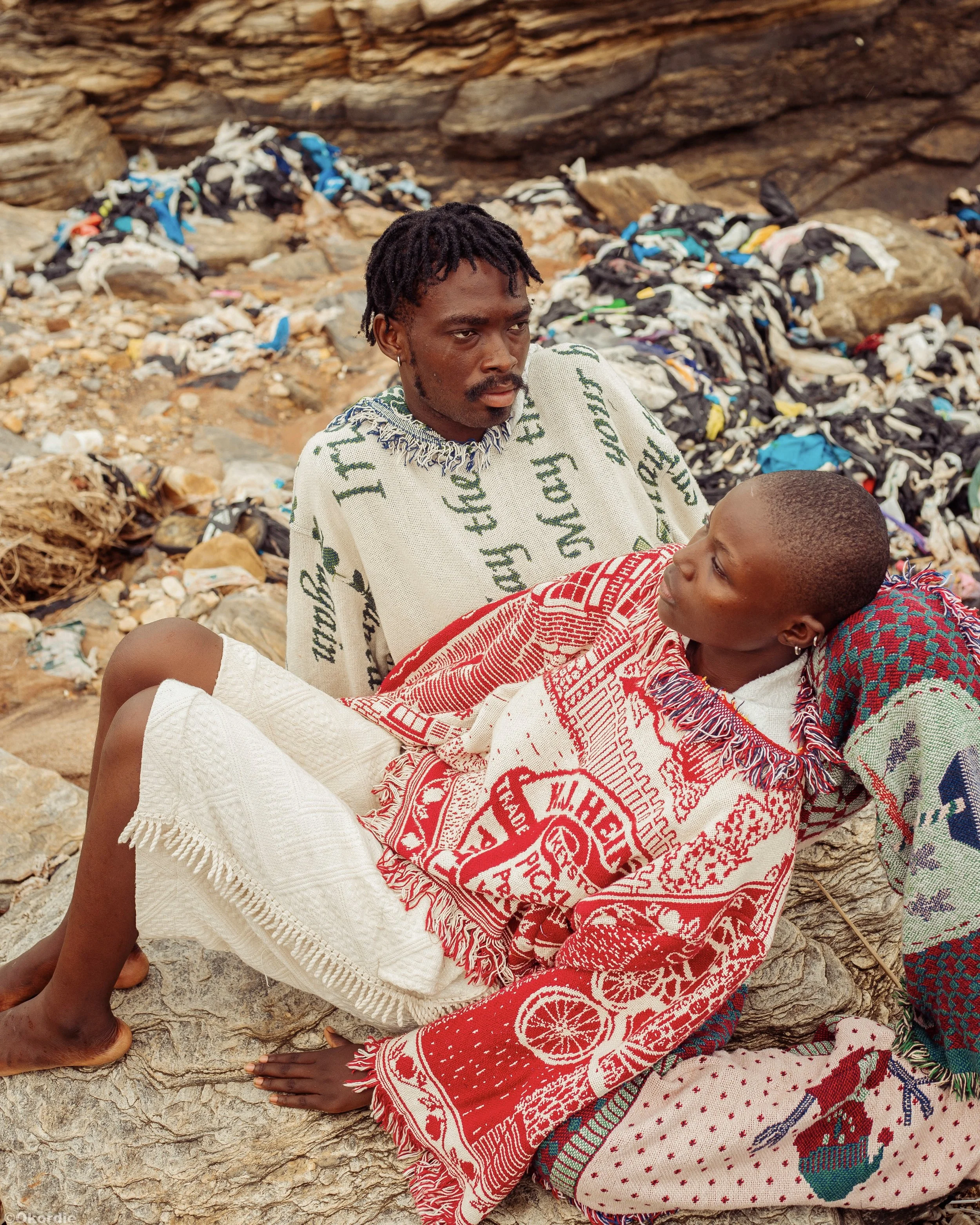
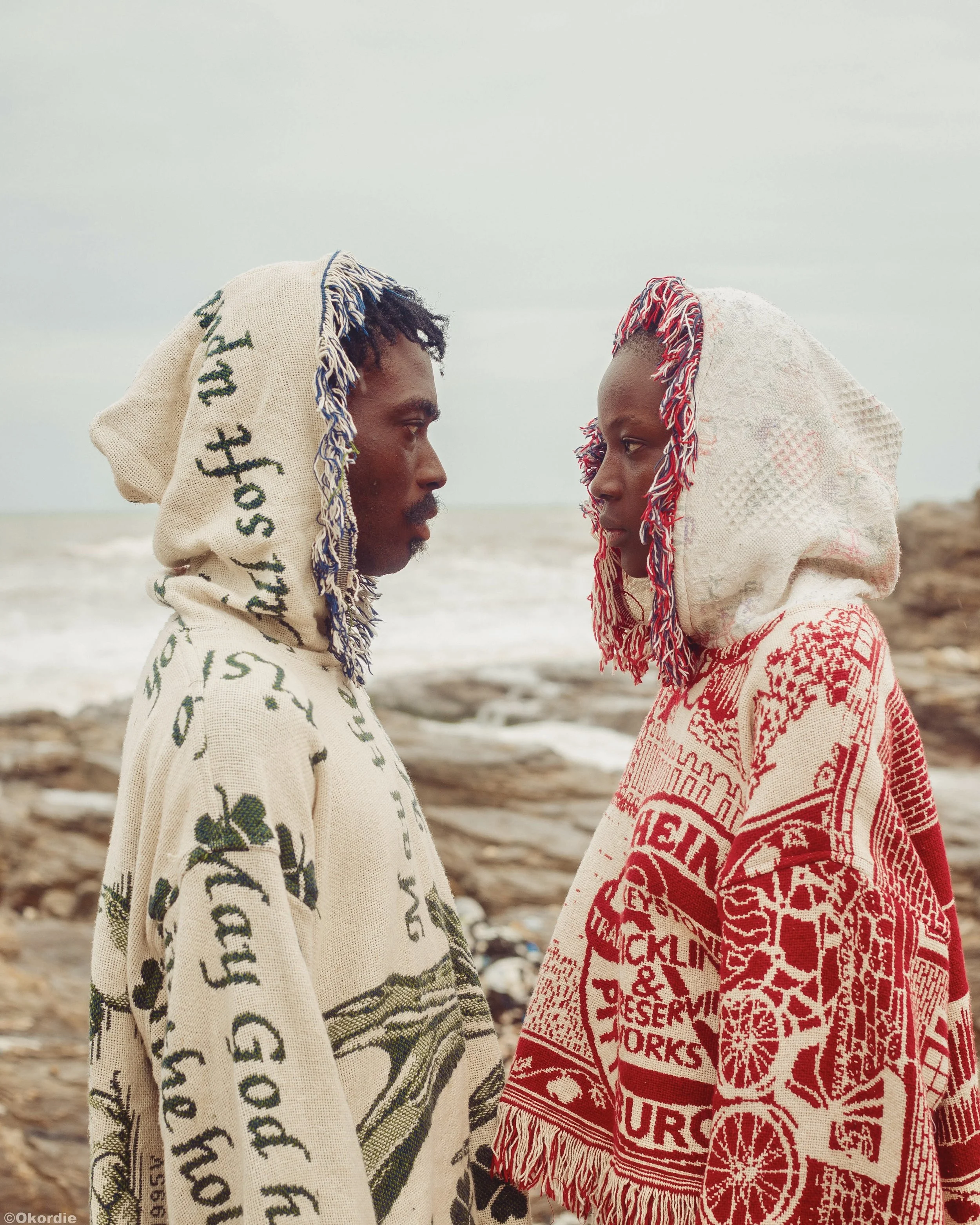
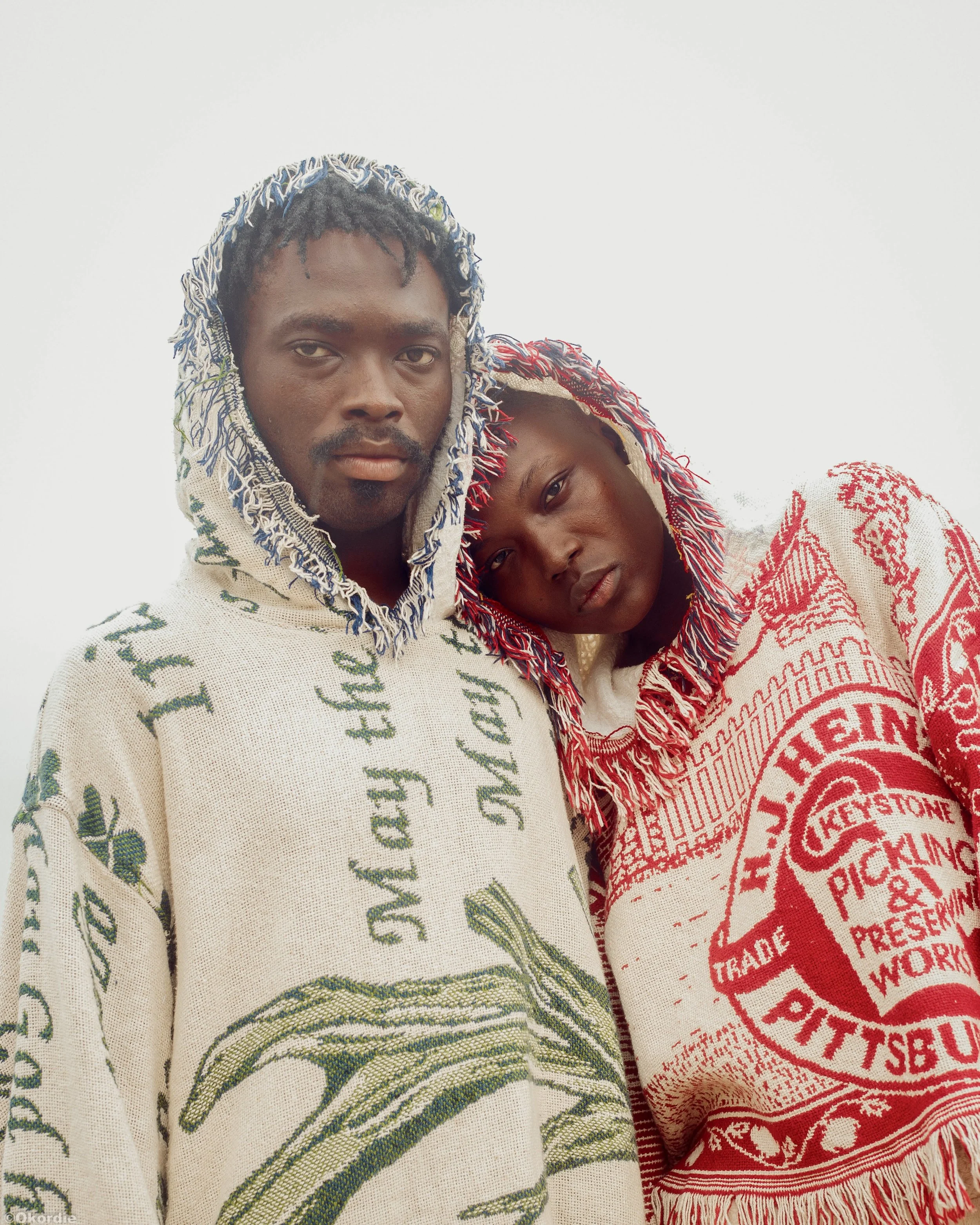
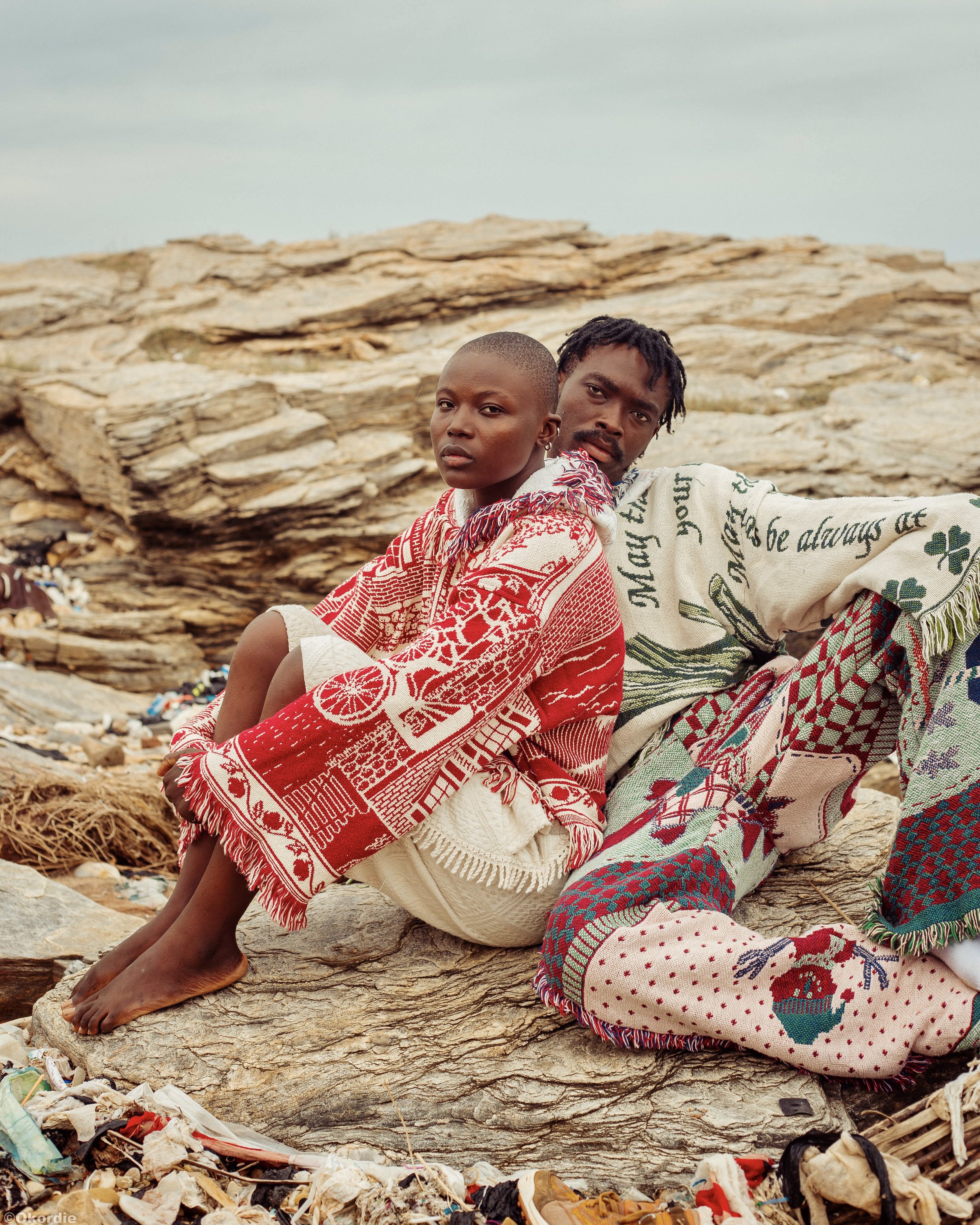
Photoshoot in Accra, Ghana, directed by Frida Nakarma Lidbom. Stylist: @kofi.heller, Design/Collection: @kofi.heller, photographer: Joseph Boakye Mensah @okordie_, models: @_ohemaab
HER PERSPECTIVE
On African craft as luxury and why collaboration beats gatekeeping
Any key observation you made in the the global African fashion ecosystem?
A lot has shifted lately. Lagos Fashion Week is getting even more global recognition, with Nigeria leading the way, as usual. More people in Africa, and outside it, are starting to recognise African handicraft as luxury, which it is.
What avenues could better bridge the gap between independent designers and makers on the continent and global audiences?
Collaboration is key. That's something I believe even more strongly after getting to know the designers and tailors in Kantamanto. The way they support each other and share knowledge is a big part of why they're able to make a living from what they do. There's no gatekeeping, just people working together and growing together.
Collaboration matters to raise awareness too. A great example is THE FASHION BLUEPRINT, led by Giovanna Vieira Co, whose London pop-ups have showcased incredible pieces from Kantamanto designers while helping people understand the community and its work.
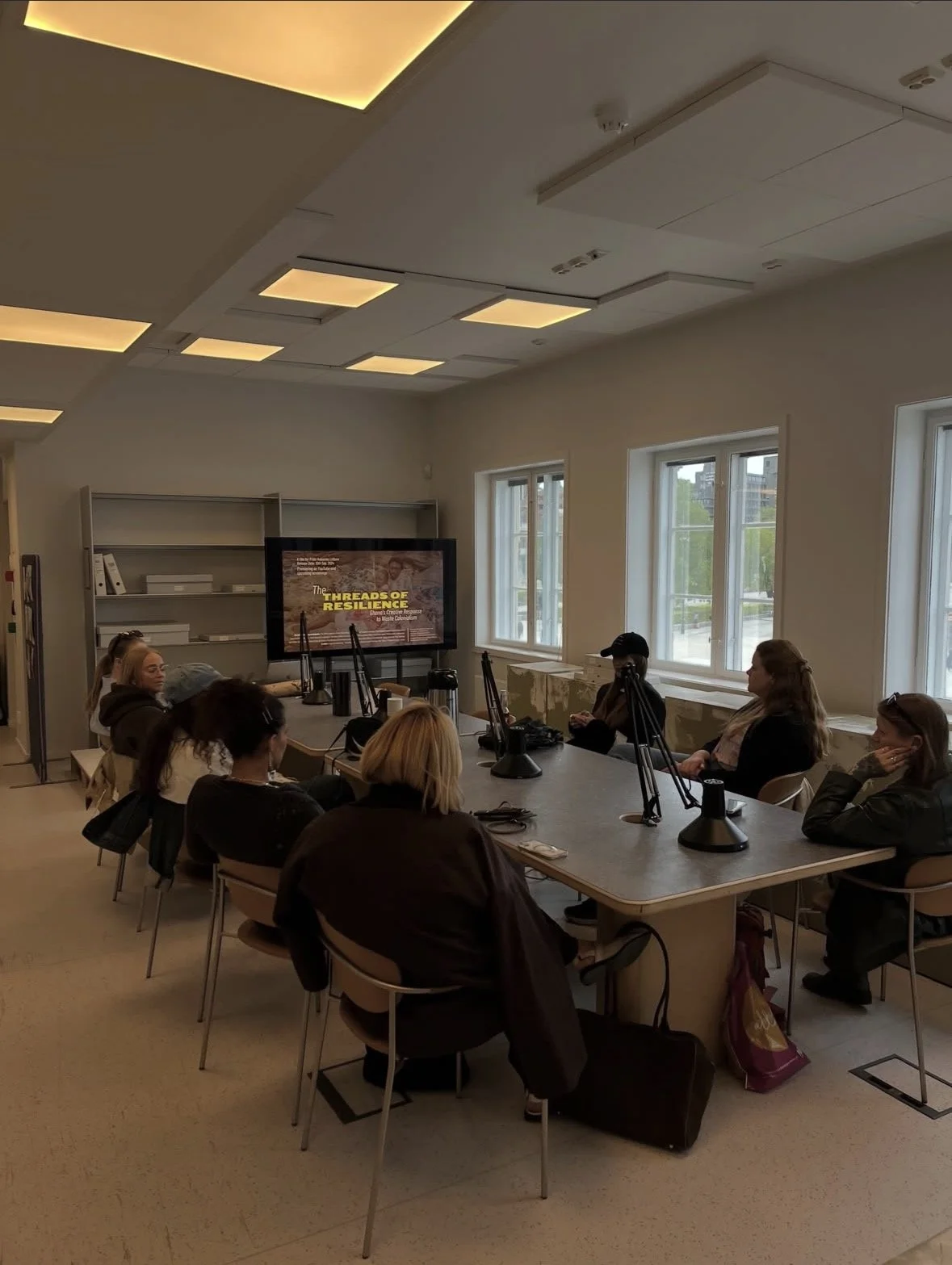
Frida Nakarma Lidbom’s documentary screening with the Slow Fashion Book Club at the International Library of Fashion Research
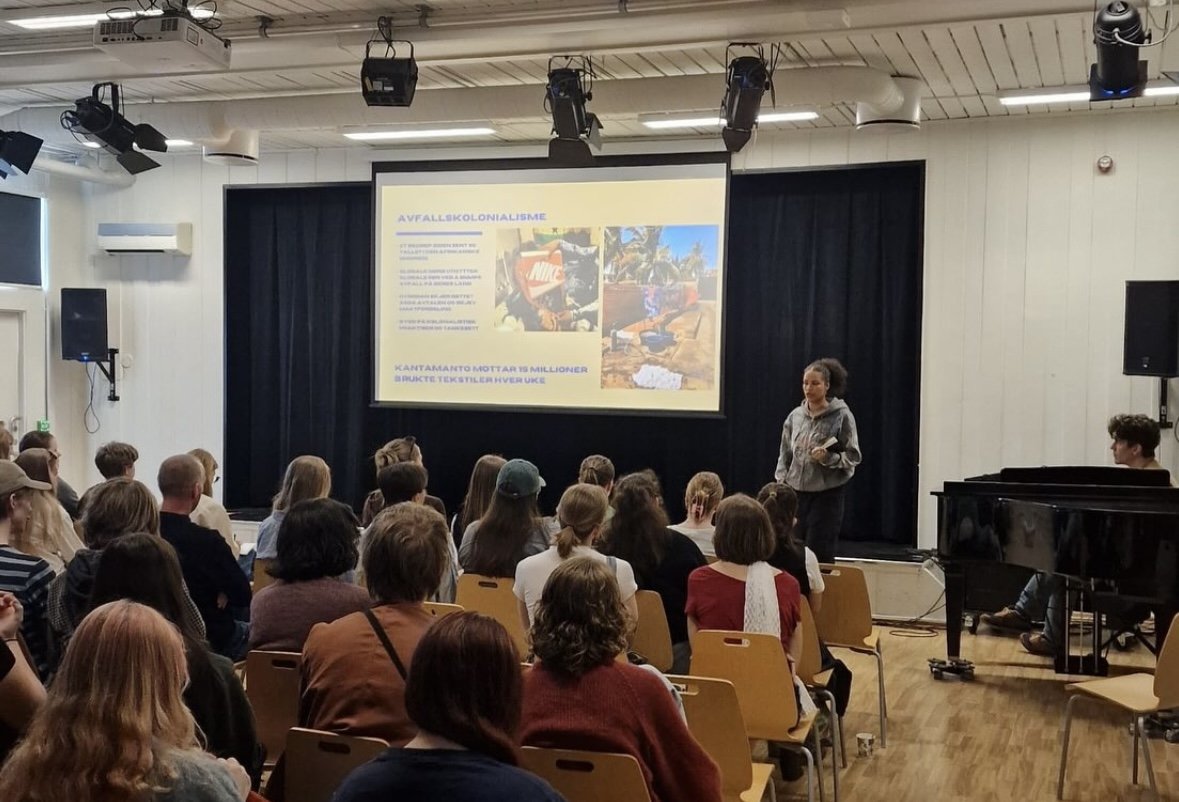
Frida Nakarma Lidbom’s documentary screening at Ringerike Folkehøgskole – a Norwegian one-year educational program
ON HER RADAR
Policy, fashion history and the second-hand reckoning
What are you curious about at the moment?
Policy and regulations, and fashion history. Since fast fashion took off in the early 2000s, the industry has become one of the most polluting in the world, yet it's still one of the least regulated. To me, that gap alone is the whole argument for why policy and regulation need to change.
What fashion event or news got you excited recently?
Seeing more people get to grips with the second-hand industry. And European countries starting to put their foot down, bringing in laws around fast fashion and sustainable practice. France is one of the ones leading the way, with measures like EPR, which makes producers pay for the waste they create, and stricter rules on ultra-fast fashion. It's helped the second-hand market grow, with platforms like Vinted and Vestiaire Collective becoming more popular.
“Doing my research and exposing the bad practices in the industry has not been easy, mostly because of a lack of transparency, greenwashing and tokenism. It is also hard to do research when we have no international definitions, laws or policy for an industry with such complicated global supply chains.”
HER STYLE
Kantamanto market designers
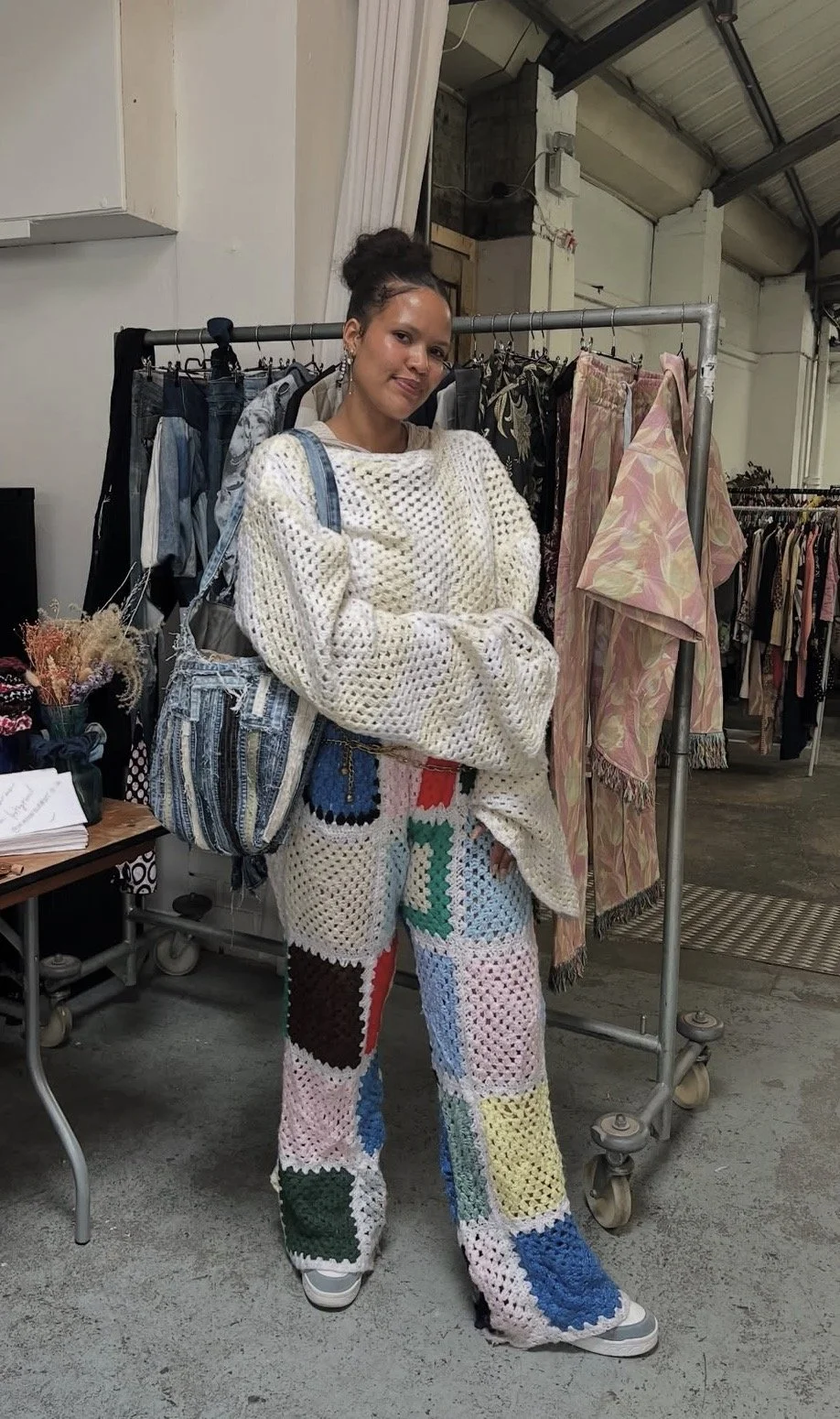
Frida Nakarma Lidbom wearing pieces from Kantamanto upcycling designer Kofi Heller at a pop-up hosted by THE FASHION BLUEPRINT in London
Your go-to destination to discover brands from Africa and the diaspora?
Kantamanto's social channels (Kantamanto upcyclers, Kantamanto social club) and the OR Foundation.
A brand you have discovered recently?
There are so many brands and pieces I could not name them all, but I recently discovered Delores by Delores.
THE CONNOISSEUR EDIT, INSPIRED BY HER
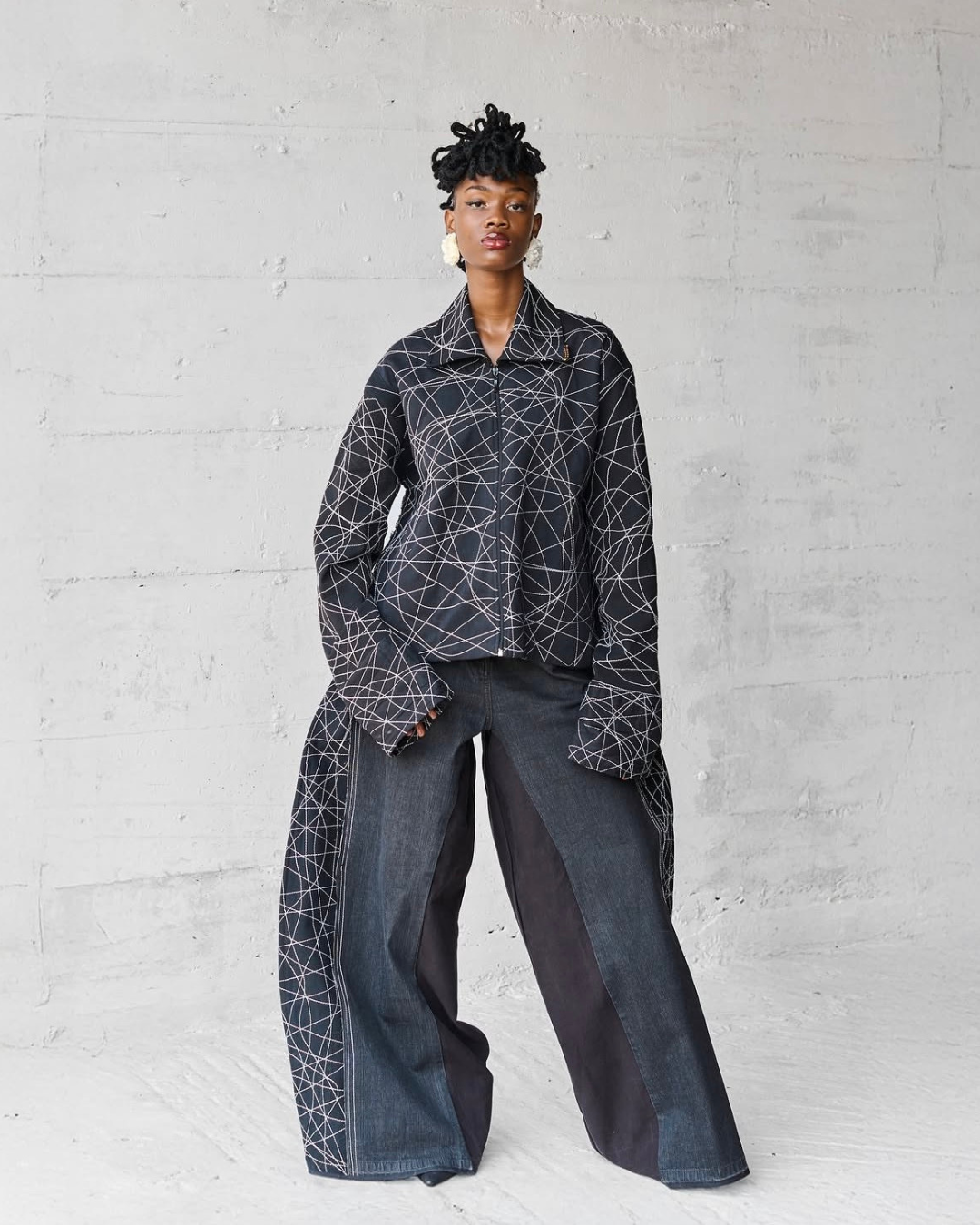
SYSO Crazy Stitch Jacket Black
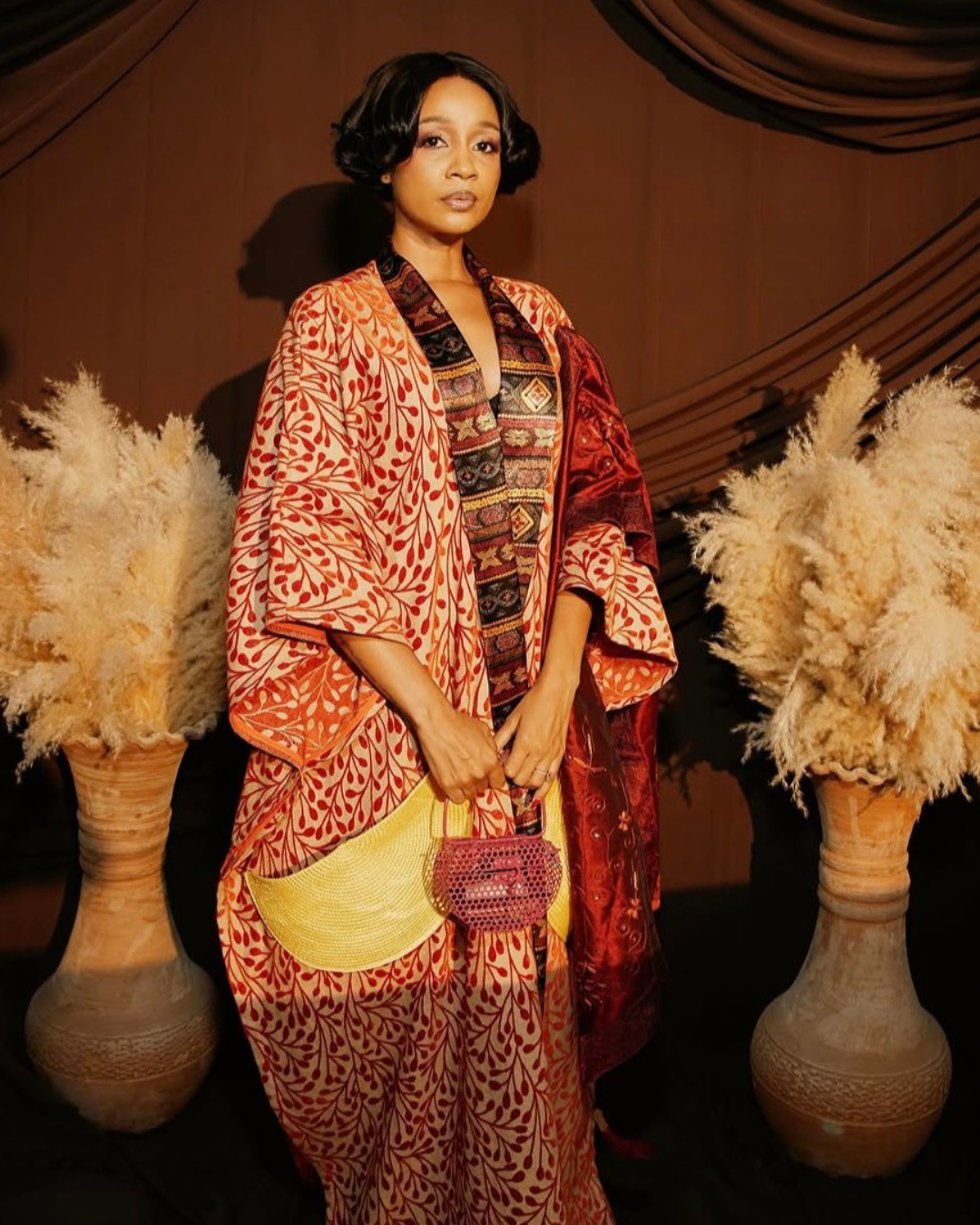
NAKOI Afiba Kimono
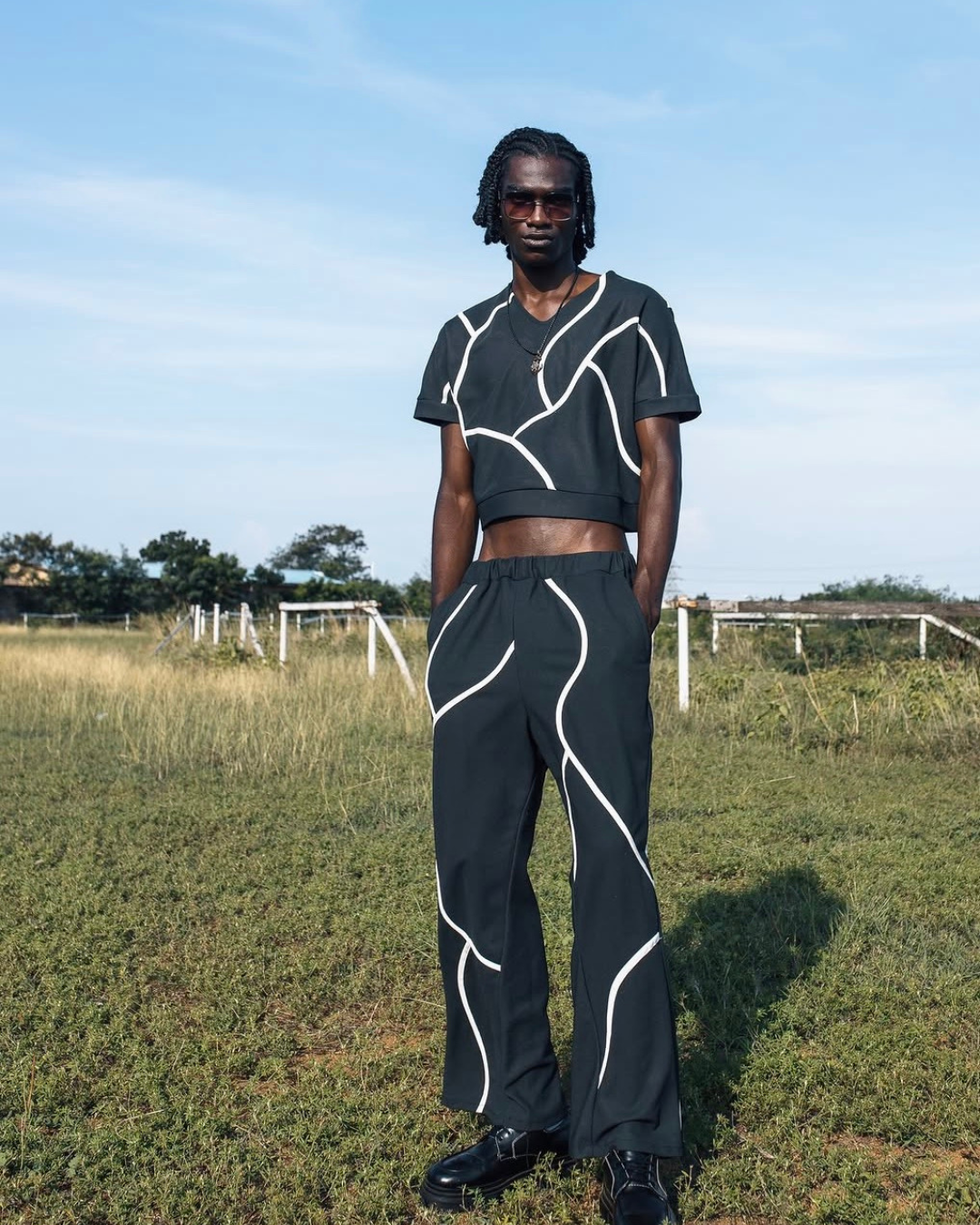
CALCUL Unisex Cropped Top and Pants
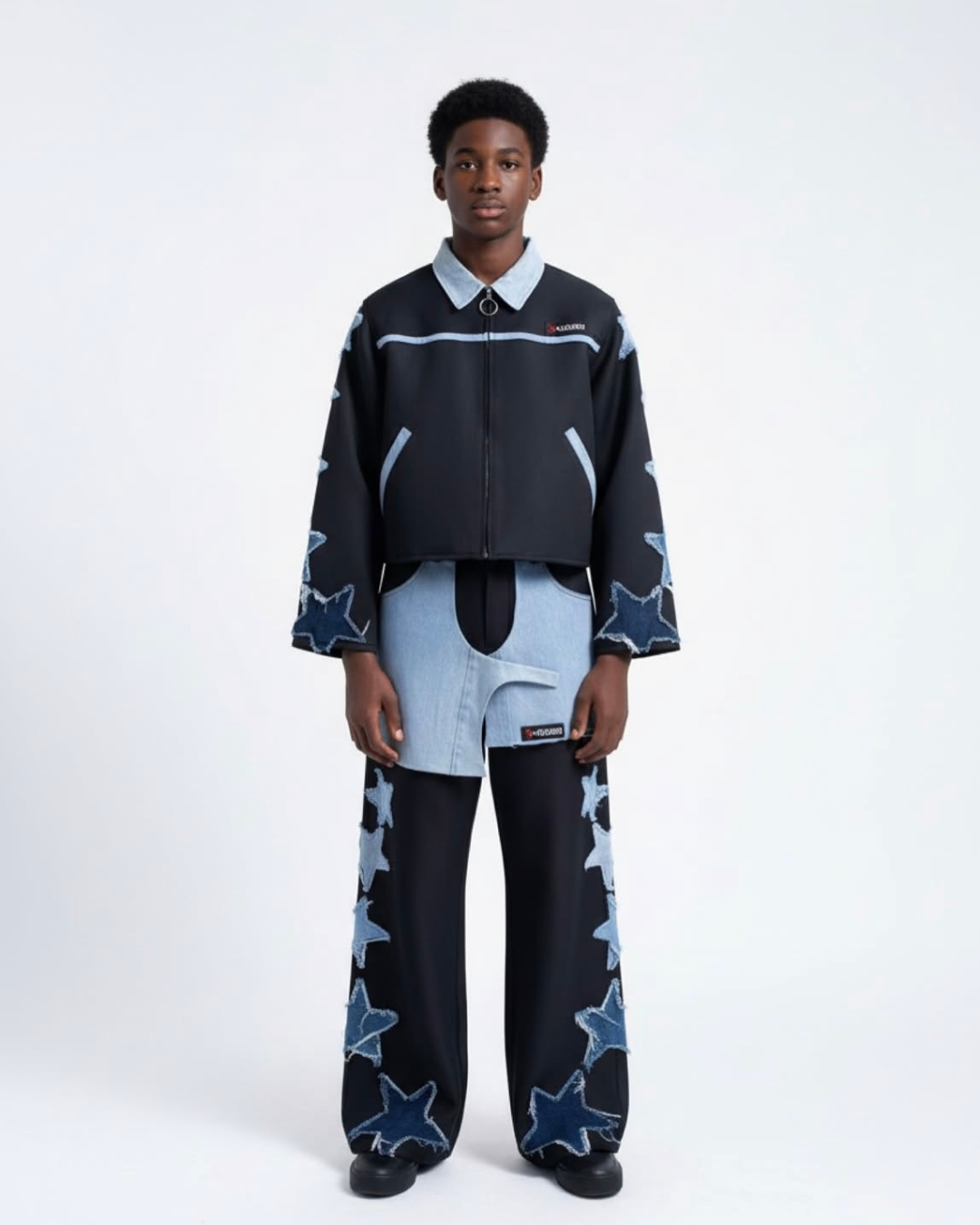
XTREET GUIDANCE Unisex Star Wave Set
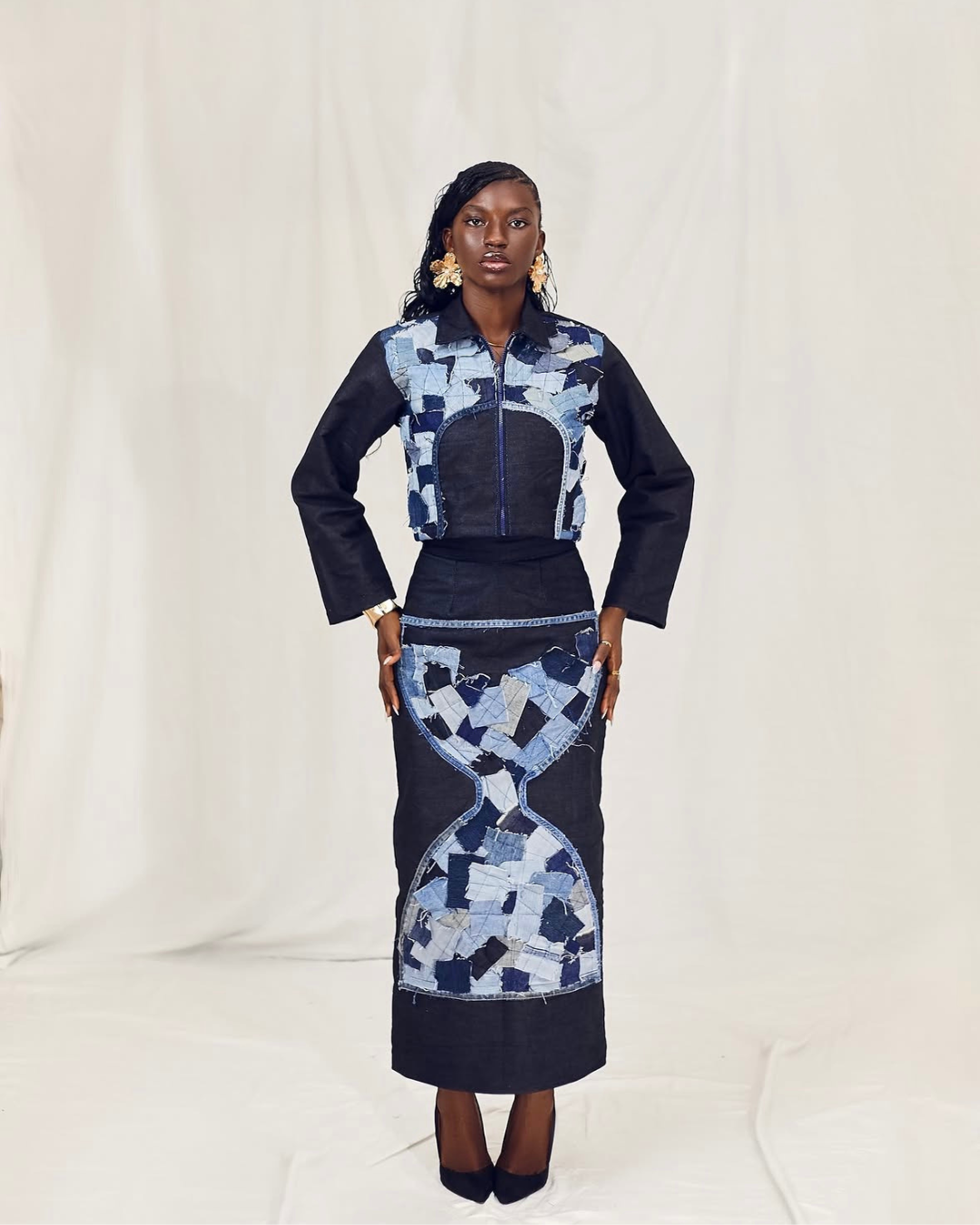
KALA BLAQ KINTSUGI Set
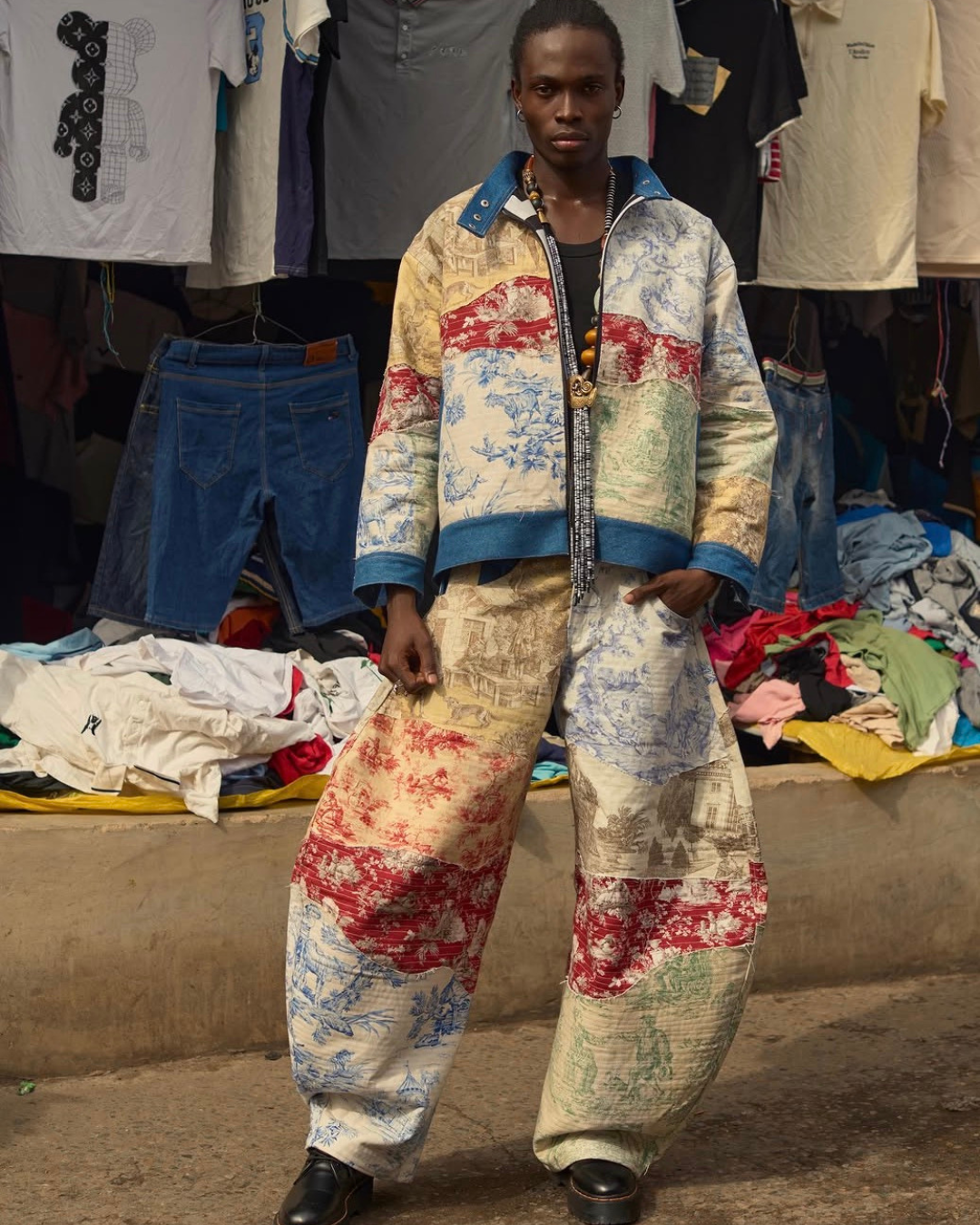
ALPHA COSTUME Unisex Set
Frida Nakarma Lidbom's work begins where most industry conversations used to end: with discarded clothing. She has spent years learning to read surplus as a system rather than an accident, and her insistence on immersion over assumption on going to the source rather than the summary, is what gives her stories their authority. What she keeps returning to is collaboration: the way the designers and tailors of Kantamanto support one another, share knowledge and grow together, with no gatekeeping. The throughline of this portrait is a simple demanding belief: that the communities most affected by fashion's waste should be the ones telling its story.
Follow Frida on Instagram at @fridanakarma and on LinkedIn as Frida Lidbom, and watch The Threads of Resilience on YouTube.
Read our previous portrait with Fiona Uwamahoro, a PhD researcher documenting Rwandan fashion between London and Kigali, and subscribe to the NDAANE newsletter to stay across the conversations in the series.